

Regal Rexnord
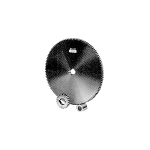
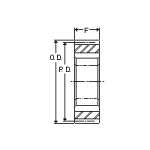
Browning® 1225325 Minimum Plain Bore Type C1 Change Gear, 8 Diametral Pitch, 14.5 deg Pressure Angle, 1-1/4 in W Face, 48 Teeth, 6 in Dia Pitch, 1-3/8 in Dia Bore, Steel
Browning® offers a comprehensive line of off the shelf gears, including spur, miter and bevel as well as change gears. These are available in 20 deg pressure angle from 20 to 4 diametral pitch and 14.5 deg pressure angle from 48 to 3 diametral pitch. They are all designed to increase output, reduce costs and avoid the need for custom specials.

Browning® 1225499 Minimum Plain Bore Type C1 Change Gear, 8 Diametral Pitch, 14.5 deg Pressure Angle, 1-1/4 in W Face, 66 Teeth, 8-1/4 in Dia Pitch, 1-3/8 in Dia Bore, Steel
Browning® offers a comprehensive line of off the shelf gears, including spur, miter and bevel as well as change gears. These are available in 20 deg pressure angle from 20 to 4 diametral pitch and 14.5 deg pressure angle from 48 to 3 diametral pitch. They are all designed to increase output, reduce costs and avoid the need for custom specials.

Browning® 1225705 Minimum Plain Bore Type C1 Change Gear, 8 Diametral Pitch, 14.5 deg Pressure Angle, 1-1/4 in W Face, 92 Teeth, 11-1/2 in Dia Pitch, 1-3/8 in Dia Bore, Steel
Browning® offers a comprehensive line of off the shelf gears, including spur, miter and bevel as well as change gears. These are available in 20 deg pressure angle from 20 to 4 diametral pitch and 14.5 deg pressure angle from 48 to 3 diametral pitch. They are all designed to increase output, reduce costs and avoid the need for custom specials.
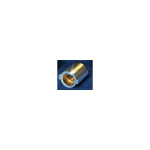
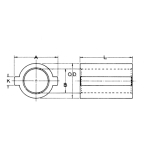
Browning® 1225788 Finished Bore Change Gear Bushing, 1-1/8 in ID x 1-3/8 in OD, 2-1/2 in L, Steel
Browning® 1225788 Finished Bore Change Gear Bushing, 1-1/8 in ID x 1-3/8 in OD, 2-1/2 in L, Steel

Browning® 1227867 MPB Straight Tooth Bevel Gear, 20 Diametral Pitch, 20 deg Pressure Angle, 20 Teeth, 1 in Dia Pitch, 0.17 in W Face, 3/8 in Dia Bore, Steel
Browning® 1227867 MPB Straight Tooth Bevel Gear, 20 Diametral Pitch, 20 deg Pressure Angle, 20 Teeth, 1 in Dia Pitch, 0.17 in W Face, 3/8 in Dia Bore, Steel

Browning® 1227883 MPB Straight Tooth Bevel Gear, 16 Diametral Pitch, 20 deg Pressure Angle, 24 Teeth, 1-1/2 in Dia Pitch, 1/4 in W Face, 1/2 to 9/16 in Dia Bore, Steel
Browning® 1227883 MPB Straight Tooth Bevel Gear, 16 Diametral Pitch, 20 deg Pressure Angle, 24 Teeth, 1-1/2 in Dia Pitch, 1/4 in W Face, 1/2 to 9/16 in Dia Bore, Steel

Browning® 1227917 Minimum Plain Bore Straight Pinion Gear, Bevel Gear, 16 Diametral Pitch, 20 deg Pressure Angle, 16 Teeth, 1 in Dia Pitch, 0.35 in W Face, 3/8 to 7/16 in Dia Bore, Steel
Bevel and miter gearing is a form of gearing in which the tooth-bearing surfaces are the faces of the gears rather than the edges. In bevel and miter gearing, the gears are cone shaped. This allows the edges of the mating gears to mesh and transmit torque. The geometry of the mesh creates a 90 deg angle. As a result, this type of gearing is suitable for applications where a change of direction is required. Other designs exist to create other angles however 90 deg serves the majority of applications. In bevel and miter gearing the input and output shaft are intersecting. It is typical for bevel and miter gear reducers to have lower reduction ratios. For example, 5:1 and lower are typical and they are different than other types of gearing. Two types of bevel and miter gearing are typical. These are straight and spiral. As the name implies, the teeth of straight bevel gears are cut straight. This means that the teeth are oriented perpendicular to the outside edge of the gear. The teeth on spiral bevel gears are cut at an angle to the outside edge of the gear. This type of gearing is said to have helical teeth and the angle is called the helix angle. Bevel and miter gearing have proven reliable for many years. The use of this type of gearing extends across many industries. Some of these include food processing, woodworking, paper and textile.

Browning® 1227958 MPB Straight Tooth Bevel Pinion Gear, 16 Diametral Pitch, 20 deg Pressure Angle, 16 Teeth, 1 in Dia Pitch, 0.48 in W Face, 1/2 in Dia Bore, Steel
Browning® 1227958 MPB Straight Tooth Bevel Pinion Gear, 16 Diametral Pitch, 20 deg Pressure Angle, 16 Teeth, 1 in Dia Pitch, 0.48 in W Face, 1/2 in Dia Bore, Steel

Browning® 1227966 MPB Straight Tooth Bevel Gear, 16 Diametral Pitch, 20 deg Pressure Angle, 64 Teeth, 4 in Dia Pitch, 0.48 in W Face, 5/8 to 1-3/8 in Dia Bore, Steel
Browning® 1227966 MPB Straight Tooth Bevel Gear, 16 Diametral Pitch, 20 deg Pressure Angle, 64 Teeth, 4 in Dia Pitch, 0.48 in W Face, 5/8 to 1-3/8 in Dia Bore, Steel

Browning® 1228030 MPB Straight Tooth Bevel Pinion Gear, 12 Diametral Pitch, 20 deg Pressure Angle, 18 Teeth, 1-1/2 in Dia Pitch, 0.53 in W Face, 1/2 to 5/8 in Dia Bore, Steel
Browning® 1228030 MPB Straight Tooth Bevel Pinion Gear, 12 Diametral Pitch, 20 deg Pressure Angle, 18 Teeth, 1-1/2 in Dia Pitch, 0.53 in W Face, 1/2 to 5/8 in Dia Bore, Steel

Browning® 1228055 MPB Straight Tooth Bevel Gear, 12 Diametral Pitch, 20 deg Pressure Angle, 36 Teeth, 3 in Dia Pitch, 0.53 in W Face, 5/8 to 1-5/16 in Dia Bore, Steel
Browning® 1228055 MPB Straight Tooth Bevel Gear, 12 Diametral Pitch, 20 deg Pressure Angle, 36 Teeth, 3 in Dia Pitch, 0.53 in W Face, 5/8 to 1-5/16 in Dia Bore, Steel

Browning® 1228071 MPB Straight Tooth Bevel Pinion Gear, 12 Diametral Pitch, 20 deg Pressure Angle, 24 Teeth, 2 in Dia Pitch, 0.59 in W Face, 1/2 to 13/16 in Dia Bore, Steel
Browning® 1228071 MPB Straight Tooth Bevel Pinion Gear, 12 Diametral Pitch, 20 deg Pressure Angle, 24 Teeth, 2 in Dia Pitch, 0.59 in W Face, 1/2 to 13/16 in Dia Bore, Steel

Browning® 1228089 MPB Straight Tooth Bevel Gear, 12 Diametral Pitch, 20 deg Pressure Angle, 48 Teeth, 4 in Dia Pitch, 0.59 in W Face, 5/8 to 7/8 in Dia Bore, Steel
Browning® 1228089 MPB Straight Tooth Bevel Gear, 12 Diametral Pitch, 20 deg Pressure Angle, 48 Teeth, 4 in Dia Pitch, 0.59 in W Face, 5/8 to 7/8 in Dia Bore, Steel

Browning® 1228220 MPB Straight Tooth Bevel Gear, 10 Diametral Pitch, 20 deg Pressure Angle, 60 Teeth, 6 in Dia Pitch, 0.78 in W Face, 7/8 to 2 in Dia Bore, Steel
Browning® 1228220 MPB Straight Tooth Bevel Gear, 10 Diametral Pitch, 20 deg Pressure Angle, 60 Teeth, 6 in Dia Pitch, 0.78 in W Face, 7/8 to 2 in Dia Bore, Steel

Browning® 1228378 MPB Straight Tooth Bevel Pinion Gear, 6 Diametral Pitch, 20 deg Pressure Angle, 21 Teeth, 3-1/2 in Dia Pitch, 1.05 in W Face, 1 to 1-5/8 in Dia Bore, Steel
Browning® 1228378 MPB Straight Tooth Bevel Pinion Gear, 6 Diametral Pitch, 20 deg Pressure Angle, 21 Teeth, 3-1/2 in Dia Pitch, 1.05 in W Face, 1 to 1-5/8 in Dia Bore, Steel

Browning® 1228600 Finished Bore Straight Tooth Bevel Gear, 12 Diametral Pitch, 20 deg Pressure Angle, 36 Teeth, 3 in Dia Pitch, 0.53 in W Face, 1 in Dia Bore, Steel
Browning® 1228600 Finished Bore Straight Tooth Bevel Gear, 12 Diametral Pitch, 20 deg Pressure Angle, 36 Teeth, 3 in Dia Pitch, 0.53 in W Face, 1 in Dia Bore, Steel

Browning® 1228634 MPB Finished Bore Straight Tooth Bevel Gear, 8 Diametral Pitch, 20 deg Pressure Angle, 20 Teeth, 2-1/2 in Dia Pitch, 0.82 in W Face, 1 in Dia Bore, Steel
Browning® 1228634 MPB Finished Bore Straight Tooth Bevel Gear, 8 Diametral Pitch, 20 deg Pressure Angle, 20 Teeth, 2-1/2 in Dia Pitch, 0.82 in W Face, 1 in Dia Bore, Steel

Browning® 1228790 Finished Bore Straight Miter Gear With Hardened Teeth, Keyway and Setscrew, 5/8 in Dia Bore
Bevel and miter gearing is a form of gearing in which the tooth-bearing surfaces are the faces of the gears rather than the edges. In bevel and miter gearing, the gears are cone shaped. This allows the edges of the mating gears to mesh and transmit torque. The geometry of the mesh creates a 90 deg angle. As a result, this type of gearing is suitable for applications where a change of direction is required. Other designs exist to create other angles however 90 deg serves the majority of applications. In bevel and miter gearing the input and output shaft are intersecting. It is typical for bevel and miter gear reducers to have lower reduction ratios. For example, 5:1 and lower are typical and they are different than other types of gearing. Two types of bevel and miter gearing are typical. These are straight and spiral. As the name implies, the teeth of straight bevel gears are cut straight. This means that the teeth are oriented perpendicular to the outside edge of the gear. The teeth on spiral bevel gears are cut at an angle to the outside edge of the gear. This type of gearing is said to have "helical" teeth and the angle is called the "helix" angle. Bevel and miter gearing have proven reliable for many years. The use of this type of gearing extends across many industries. Some of these include food processing, woodworking, paper and textile.

Browning® 1228824 Finished Bore Straight Tooth Miter Gear With Setscrew, 10 Diametral Pitch, 20 deg Pressure Angle, 20 Teeth, 2 in Dia Pitch, 0.44 in W Face, 5/8 in Dia Bore, Hardened Steel
Browning® offers a comprehensive line of off the shelf gears, including spur, miter and bevel as well as change gears. These are available in 20 deg pressure angle from 20 to 4 diametral pitch and 14.5 deg pressure angle from 48 to 3 diametral pitch. They are all designed to increase output, reduce costs and avoid the need for custom specials.

Browning® 1228832 Finished Bore Straight Miter Gear With Hardened Teeth, Keyway and Setscrew, 3/4 in Dia Bore
Bevel and miter gearing is a form of gearing in which the tooth-bearing surfaces are the faces of the gears rather than the edges. In bevel and miter gearing, the gears are cone shaped. This allows the edges of the mating gears to mesh and transmit torque. The geometry of the mesh creates a 90 deg angle. As a result, this type of gearing is suitable for applications where a change of direction is required. Other designs exist to create other angles however 90 deg serves the majority of applications. In bevel and miter gearing the input and output shaft are intersecting. It is typical for bevel and miter gear reducers to have lower reduction ratios. For example, 5:1 and lower are typical and they are different than other types of gearing. Two types of bevel and miter gearing are typical. These are straight and spiral. As the name implies, the teeth of straight bevel gears are cut straight. This means that the teeth are oriented perpendicular to the outside edge of the gear. The teeth on spiral bevel gears are cut at an angle to the outside edge of the gear. This type of gearing is said to have "helical" teeth and the angle is called the "helix" angle. Bevel and miter gearing have proven reliable for many years. The use of this type of gearing extends across many industries. Some of these include food processing, woodworking, paper and textile.

Browning® 1228865 Finished Bore Straight Miter Gear With Hardened Teeth, Keyway and Setscrew, 1 in Dia Bore
Bevel and miter gearing is a form of gearing in which the tooth-bearing surfaces are the faces of the gears rather than the edges. In bevel and miter gearing, the gears are cone shaped. This allows the edges of the mating gears to mesh and transmit torque. The geometry of the mesh creates a 90 deg angle. As a result, this type of gearing is suitable for applications where a change of direction is required. Other designs exist to create other angles however 90 deg serves the majority of applications. In bevel and miter gearing the input and output shaft are intersecting. It is typical for bevel and miter gear reducers to have lower reduction ratios. For example, 5:1 and lower are typical and they are different than other types of gearing. Two types of bevel and miter gearing are typical. These are straight and spiral. As the name implies, the teeth of straight bevel gears are cut straight. This means that the teeth are oriented perpendicular to the outside edge of the gear. The teeth on spiral bevel gears are cut at an angle to the outside edge of the gear. This type of gearing is said to have "helical" teeth and the angle is called the "helix" angle. Bevel and miter gearing have proven reliable for many years. The use of this type of gearing extends across many industries. Some of these include food processing, woodworking, paper and textile.

Browning® 1229087 Minimum Plain Bore Straight Tooth Miter Gear, 16 Diametral Pitch, 20 deg Pressure Angle, 16 Teeth, 1 in Dia Pitch, 0.22 in W Face, 3/8 in Dia Bore, Unhardened Steel
Browning® offers a comprehensive line of off the shelf gears, including spur, miter and bevel as well as change gears. These are available in 20 deg pressure angle from 20 to 4 diametral pitch and 14.5 deg pressure angle from 48 to 3 diametral pitch. They are all designed to increase output, reduce costs and avoid the need for custom specials.

Browning® 1229129 Minimum Plain Bore Straight Tooth Miter Gear, 12 Diametral Pitch, 20 deg Pressure Angle, 15 Teeth, 1-1/4 in Dia Pitch, 0.27 in W Face, 3/8 to 1/2 in Dia Bore, Unhardened Steel
Browning® offers a comprehensive line of off the shelf gears, including spur, miter and bevel as well as change gears. These are available in 20 deg pressure angle from 20 to 4 diametral pitch and 14.5 deg pressure angle from 48 to 3 diametral pitch. They are all designed to increase output, reduce costs and avoid the need for custom specials.

Browning® 1229152 Minimum Plain Bore Straight Tooth Miter Gear, 12 Diametral Pitch, 20 deg Pressure Angle, 18 Teeth, 1-1/2 in Dia Pitch, 0.32 in W Face, 1/2 to 5/8 in Dia Bore, Unhardened Steel
Browning® offers a comprehensive line of off the shelf gears, including spur, miter and bevel as well as change gears. These are available in 20 deg pressure angle from 20 to 4 diametral pitch and 14.5 deg pressure angle from 48 to 3 diametral pitch. They are all designed to increase output, reduce costs and avoid the need for custom specials.
Recently Viewed
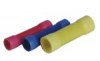
PREMIUM ALL COPPER BUTT CONNECTOR FOR #6 CABLE. ZINC PLATED. CAREFULLY ENGINEERED AND MANUFACTURED FOR SOUND CONNECTIONS AND TROUBLE FREE SERVICE CARDED 2" PACK
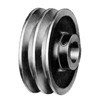
2-GRV A-BELT H-BUSH SHEAVES
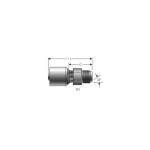
Gates® Power Transmission MegaCrimp™ 12G-14MJ G25 Straight Hydraulic Coupling, 3/4 in x 1-3/16-12 Nominal, Hose x Male JIC 37 deg Flare End Style, Steel
It’s what’s inside the MegaCrimp coupling that makes it perform so well, the “C” insert. This “C” insert allows usage with different hose constructions and wall thicknesses. In addition, the C-insert ensures an even distribution of crimping forces to form a concentric seal. That simplifies your inventory requirements since one size can accommodate many different hose ODs, on both one- and two-wire braid hoses and select Xpiral hoses. An additional bonus: MegaCrimp couplings are fully qualified for SAE, EN, and ISO performance.

DOUBLE SEALED BALL BEARINGS-FAF36PP>
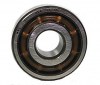
DOUBLE ROW OPEN FACE BALL BEARING-MRC5304C>

