

Regal Rexnord
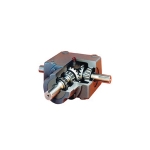
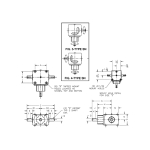
Browning® 1251370 Straight Type LR Bevel Gear Reducer, Shaft Input, Shaft Output, 1 hp, 1:1 Gear, 1750 rpm Maximum Output, 36.013 in-lb Input/28.82 in-lb Output Torque Rating
Browning® cast iron bevel and spiral bevel gear reducers are constructed of rugged cast iron housings. These housings are line bored for precise gear and bearing alignment. To offer maximum performance, these reducers are designed with tapered roller and ball bearings. Browning® cast iron bevel and spiral bevel gear reducers are available in six sizes and ratios. These range from 1:1 to 3:1, with speed-up ratios available. Torque capacity ranges from 99 to 5942 in-lb.
Browning® 1251529 Straight Type LR Bevel Gear Reducer, Shaft Input, Shaft Output, 1 hp, 2:1 Gear, 875 rpm Maximum Output, 36.013 in-lb Input/57.62 in-lb Output Torque Rating
Browning® cast iron bevel and spiral bevel gear reducers are constructed of rugged cast iron housings. These housings are line bored for precise gear and bearing alignment. To offer maximum performance, these reducers are designed with tapered roller and ball bearings. Browning® cast iron bevel and spiral bevel gear reducers are available in six sizes and ratios. These range from 1:1 to 3:1, with speed-up ratios available. Torque capacity ranges from 99 to 5942 in-lb.

Browning® 1293455 Riveted Standard Duty Roller Chain, 10 ft OAL, 3/8 in Pitch, 0.2 in Dia x 3/16 in W Roller, Steel
All Browning® ANSI B29.1 roller chain is prestressed, a production operation that permanently seats the various chain components. Prestressing minimizes the chain stretch which often occurs with ordinary chain during the initial running period, thus avoids excessive early wear and reduces the need for take-up adjustment. Prestressing minimizes tolerance variations too, ensuring balanced loading among all parts and avoiding premature fatigue failure.

Browning® 1296342 Automatic Torque Limiter, 3/4 in Straight Bore, 2-1/2 in OD, 800 in-lb (1 Spring)/1100 in-lb (2 Spring) Torque
Browning® torque limiters are torque control devices that slip under excessive load but automatically carry the desired load after the excess has been removed. The device can be easily adjusted to slip at a desired overload and automatically re-engage when overload is removed. Overload should be removed promptly since prolonged slippage can be detrimental to the friction disc. Generally, no resetting is required after the torque limiter has slipped. Torque limiters help prevent machine and product damage and costly downtime caused by shock loads, overloads or machine jams but should not be used as clutches.

Browning® 1296359 Automatic Torque Limiter, 7/8 in Straight Bore, 2-1/2 in OD, 800 in-lb (1 Spring)/1100 in-lb (2 Spring) Torque
Browning® torque limiters are torque control devices that slip under excessive load but automatically carry the desired load after the excess has been removed. The device can be easily adjusted to slip at a desired overload and automatically re-engage when overload is removed. Overload should be removed promptly since prolonged slippage can be detrimental to the friction disc. Generally, no resetting is required after the torque limiter has slipped. Torque limiters help prevent machine and product damage and costly downtime caused by shock loads, overloads or machine jams but should not be used as clutches.

Browning® 1296367 T35L Automatic Torque Limiter, 5/8 in Finished Bore, 3-1/2 in OD, 1800 in-lb (1-Spring)/3000 in-lb (2-Spring) Torque
The Browning® torque limiter is a spring loaded friction style torque overload device. The load on the friction pads is adjusted so that the process torque is transmitted. An overload torque in excess of the set torque causes the unit to slip. This prevents overloads from transmitting through the system. When the load falls below the set level, the torque limiter stops slipping and transmits the torque. A torque limiter does not maintain phase between input and output. Although it is a similar size, the Browning® torque limiter has a higher torque density than the Morse® torque limiter. It is also well suited for applications that trip infrequently at high loads. It is most often used in a chain drive. A specially machined sprocket is inserted between the friction pads and acts as the slip interface. Torque capacity is up to 8800 in-lb.

Browning® 1296375 Automatic Torque Limiter, 3/4 in Straight Bore, 3-1/2 in OD, 1800 in-lb (1 Spring)/3000 in-lb (2 Spring) Torque
Browning® torque limiters are torque control devices that slip under excessive load but automatically carry the desired load after the excess has been removed. The device can be easily adjusted to slip at a desired overload and automatically re-engage when overload is removed. Overload should be removed promptly since prolonged slippage can be detrimental to the friction disc. Generally, no resetting is required after the torque limiter has slipped. Torque limiters help prevent machine and product damage and costly downtime caused by shock loads, overloads or machine jams but should not be used as clutches.

Browning® 1296391 Automatic Torque Limiter, 1 in Straight Bore, 3-1/2 in OD, 1800 in-lb (1 Spring)/3000 in-lb (2 Spring) Torque
Browning® torque limiters are torque control devices that slip under excessive load but automatically carry the desired load after the excess has been removed. The device can be easily adjusted to slip at a desired overload and automatically re-engage when overload is removed. Overload should be removed promptly since prolonged slippage can be detrimental to the friction disc. Generally, no resetting is required after the torque limiter has slipped. Torque limiters help prevent machine and product damage and costly downtime caused by shock loads, overloads or machine jams but should not be used as clutches.

Browning® 1296417 T45L Automatic Torque Limiter, 3/4 in Finished Bore, 4-1/2 in OD, 2800 in-lb (1-Spring)/4900 in-lb (2-Spring) Torque
The Browning® torque limiter is a spring loaded friction style torque overload device. The load on the friction pads is adjusted so that the process torque is transmitted. An overload torque in excess of the set torque causes the unit to slip. This prevents overloads from transmitting through the system. When the load falls below the set level, the torque limiter stops slipping and transmits the torque. A torque limiter does not maintain phase between input and output. Although it is a similar size, the Browning® torque limiter has a higher torque density than the Morse® torque limiter. It is also well suited for applications that trip infrequently at high loads. It is most often used in a chain drive. A specially machined sprocket is inserted between the friction pads and acts as the slip interface. Torque capacity is up to 8800 in-lb.

Browning® 1296433 Automatic Torque Limiter, 1 in Straight Bore, 4-1/2 in OD, 2800 in-lb (1 Spring)/4900 in-lb (2 Spring) Torque
Browning® torque limiters are torque control devices that slip under excessive load but automatically carry the desired load after the excess has been removed. The device can be easily adjusted to slip at a desired overload and automatically re-engage when overload is removed. Overload should be removed promptly since prolonged slippage can be detrimental to the friction disc. Generally, no resetting is required after the torque limiter has slipped. Torque limiters help prevent machine and product damage and costly downtime caused by shock loads, overloads or machine jams but should not be used as clutches.

Browning® 1296441 T45L Automatic Torque Limiter, 1-1/8 in Finished Bore, 4-1/2 in OD, 2800 in-lb (1-Spring)/4900 in-lb (2-Spring) Torque
The Browning® torque limiter is a spring loaded friction style torque overload device. The load on the friction pads is adjusted so that the process torque is transmitted. An overload torque in excess of the set torque causes the unit to slip. This prevents overloads from transmitting through the system. When the load falls below the set level, the torque limiter stops slipping and transmits the torque. A torque limiter does not maintain phase between input and output. Although it is a similar size, the Browning® torque limiter has a higher torque density than the Morse® torque limiter. It is also well suited for applications that trip infrequently at high loads. It is most often used in a chain drive. A specially machined sprocket is inserted between the friction pads and acts as the slip interface. Torque capacity is up to 8800 in-lb.

Browning® 1296458 T45L Automatic Torque Limiter, 1-3/16 in Finished Bore, 4-1/2 in OD, 2800 in-lb (1-Spring)/4900 in-lb (2-Spring) Torque
The Browning® torque limiter is a spring loaded friction style torque overload device. The load on the friction pads is adjusted so that the process torque is transmitted. An overload torque in excess of the set torque causes the unit to slip. This prevents overloads from transmitting through the system. When the load falls below the set level, the torque limiter stops slipping and transmits the torque. A torque limiter does not maintain phase between input and output. Although it is a similar size, the Browning® torque limiter has a higher torque density than the Morse® torque limiter. It is also well suited for applications that trip infrequently at high loads. It is most often used in a chain drive. A specially machined sprocket is inserted between the friction pads and acts as the slip interface. Torque capacity is up to 8800 in-lb.

Browning® 1296474 T45L Automatic Torque Limiter, 1-3/8 in Finished Bore, 4-1/2 in OD, 2800 in-lb (1-Spring)/4900 in-lb (2-Spring) Torque
The Browning® torque limiter is a spring loaded friction style torque overload device. The load on the friction pads is adjusted so that the process torque is transmitted. An overload torque in excess of the set torque causes the unit to slip. This prevents overloads from transmitting through the system. When the load falls below the set level, the torque limiter stops slipping and transmits the torque. A torque limiter does not maintain phase between input and output. Although it is a similar size, the Browning® torque limiter has a higher torque density than the Morse® torque limiter. It is also well suited for applications that trip infrequently at high loads. It is most often used in a chain drive. A specially machined sprocket is inserted between the friction pads and acts as the slip interface. Torque capacity is up to 8800 in-lb.

Browning® 1296482 T55L Automatic Torque Limiter, 1 in Finished Bore, 5-1/2 in OD, 3800 in-lb (1-Spring)/6800 in-lb (2-Spring) Torque
The Browning® torque limiter is a spring loaded friction style torque overload device. The load on the friction pads is adjusted so that the process torque is transmitted. An overload torque in excess of the set torque causes the unit to slip. This prevents overloads from transmitting through the system. When the load falls below the set level, the torque limiter stops slipping and transmits the torque. A torque limiter does not maintain phase between input and output. Although it is a similar size, the Browning® torque limiter has a higher torque density than the Morse® torque limiter. It is also well suited for applications that trip infrequently at high loads. It is most often used in a chain drive. A specially machined sprocket is inserted between the friction pads and acts as the slip interface. Torque capacity is up to 8800 in-lb.

Browning® 1296516 T55L Automatic Torque Limiter, 1-1/4 in Finished Bore, 5-1/2 in OD, 3800 in-lb (1-Spring)/6800 in-lb (2-Spring) Torque
The Browning® torque limiter is a spring loaded friction style torque overload device. The load on the friction pads is adjusted so that the process torque is transmitted. An overload torque in excess of the set torque causes the unit to slip. This prevents overloads from transmitting through the system. When the load falls below the set level, the torque limiter stops slipping and transmits the torque. A torque limiter does not maintain phase between input and output. Although it is a similar size, the Browning® torque limiter has a higher torque density than the Morse® torque limiter. It is also well suited for applications that trip infrequently at high loads. It is most often used in a chain drive. A specially machined sprocket is inserted between the friction pads and acts as the slip interface. Torque capacity is up to 8800 in-lb.

Browning® 1296524 T55L Automatic Torque Limiter, 1-3/8 in Finished Bore, 5-1/2 in OD, 3800 in-lb (1-Spring)/6800 in-lb (2-Spring) Torque
The Browning® torque limiter is a spring loaded friction style torque overload device. The load on the friction pads is adjusted so that the process torque is transmitted. An overload torque in excess of the set torque causes the unit to slip. This prevents overloads from transmitting through the system. When the load falls below the set level, the torque limiter stops slipping and transmits the torque. A torque limiter does not maintain phase between input and output. Although it is a similar size, the Browning® torque limiter has a higher torque density than the Morse® torque limiter. It is also well suited for applications that trip infrequently at high loads. It is most often used in a chain drive. A specially machined sprocket is inserted between the friction pads and acts as the slip interface. Torque capacity is up to 8800 in-lb.

Browning® 1296532 T55L Automatic Torque Limiter, 1-7/16 in Finished Bore, 5-1/2 in OD, 3800 in-lb (1-Spring)/6800 in-lb (2-Spring) Torque
The Browning® torque limiter is a spring loaded friction style torque overload device. The load on the friction pads is adjusted so that the process torque is transmitted. An overload torque in excess of the set torque causes the unit to slip. This prevents overloads from transmitting through the system. When the load falls below the set level, the torque limiter stops slipping and transmits the torque. A torque limiter does not maintain phase between input and output. Although it is a similar size, the Browning® torque limiter has a higher torque density than the Morse® torque limiter. It is also well suited for applications that trip infrequently at high loads. It is most often used in a chain drive. A specially machined sprocket is inserted between the friction pads and acts as the slip interface. Torque capacity is up to 8800 in-lb.

Browning® 1296540 Automatic Torque Limiter, 1-1/2 in Straight Bore, 5-1/2 in OD, 3800 in-lb (1 Spring)/6800 in-lb (2 Spring) Torque
Browning® torque limiters are torque control devices that slip under excessive load but automatically carry the desired load after the excess has been removed. The device can be easily adjusted to slip at a desired overload and automatically re-engage when overload is removed. Overload should be removed promptly since prolonged slippage can be detrimental to the friction disc. Generally, no resetting is required after the torque limiter has slipped. Torque limiters help prevent machine and product damage and costly downtime caused by shock loads, overloads or machine jams but should not be used as clutches.

Browning® 1296573 T65L Automatic Torque Limiter, 1-7/16 in Finished Bore, 6-1/2 in OD, 4800 in-lb (1-Spring)/8800 in-lb (2-Spring) Torque
The Browning® torque limiter is a spring loaded friction style torque overload device. The load on the friction pads is adjusted so that the process torque is transmitted. An overload torque in excess of the set torque causes the unit to slip. This prevents overloads from transmitting through the system. When the load falls below the set level, the torque limiter stops slipping and transmits the torque. A torque limiter does not maintain phase between input and output. Although it is a similar size, the Browning® torque limiter has a higher torque density than the Morse® torque limiter. It is also well suited for applications that trip infrequently at high loads. It is most often used in a chain drive. A specially machined sprocket is inserted between the friction pads and acts as the slip interface. Torque capacity is up to 8800 in-lb.

Browning® 1296615 T65L Automatic Torque Limiter, 1-15/16 in Finished Bore, 6-1/2 in OD, 4800 in-lb (1-Spring)/8800 in-lb (2-Spring) Torque
The Browning® torque limiter is a spring loaded friction style torque overload device. The load on the friction pads is adjusted so that the process torque is transmitted. An overload torque in excess of the set torque causes the unit to slip. This prevents overloads from transmitting through the system. When the load falls below the set level, the torque limiter stops slipping and transmits the torque. A torque limiter does not maintain phase between input and output. Although it is a similar size, the Browning® torque limiter has a higher torque density than the Morse® torque limiter. It is also well suited for applications that trip infrequently at high loads. It is most often used in a chain drive. A specially machined sprocket is inserted between the friction pads and acts as the slip interface. Torque capacity is up to 8800 in-lb.

Browning® 1296664 Adjusting Drive Tightener, Malleable Iron

Browning® 1296680 Adjusting Drive Tightener, Malleable Iron

Browning® 1296698 Adjusting Drive Tightener, Malleable Iron

Browning® 1296722 Double Adjusting Drive Tightener, Malleable Iron
Recently Viewed
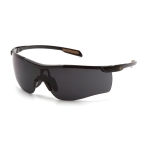
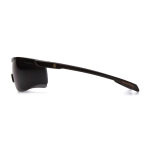
Carhartt® CHB920ST Safety Glasses, Anti-Fog/Anti-Scratch, Gray Lens, Wrap Around Frame, Black, Polycarbonate Frame, ANSI Z87.1+, CAN/CSA Z94.3-15, CE EN166
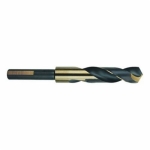
MORSE® 19042 1424S Silver & Deming Drill, 11/16 in Drill - Fraction, 0.6875 in Drill - Decimal Inch, 1/2 in Shank, HSS
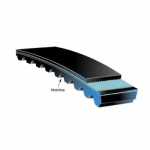
Gates® Power Transmission 2322V801 Bandless Multi-Speed V-Belt, 1-7/16 in W Top, 22 deg Groove, 81.4 in L Outside, Rubber
Power transmission systems do more than operate at constant speeds with constant outputs. Customers increasingly need variable speed systems to regulate the speed and rotational force, or output torque, of critical mechanical equipment. Our Multi-Speed belts are engineered for efficiency, energy savings and increased productivity at a wide range of speeds and speed ratios.
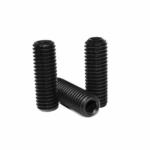
BBI 101347 Socket Set Screw, 1/4-28, 5/8 in L, Cup Point, Alloy Steel
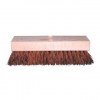
10" DECK BRUSH WITH 3" PALMYRA TRIM - MAG1103 >

5-FJIC 5-MJIC 45-DEG HYD/ADAPTERS-DA65025>

