

Freudenberg Sealing Technologies
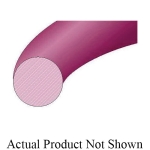
O-rings are closed circular rings of circular cross-section. They are made through vulcanization from form tools as a complete ring. The sealing function of the O-ring is achieved by the deformation of the cross-section when installed and compressed in its housing. The O-ring can be compressed either radially or axially in its installation housing. In operating conditions the pressure exerted by the media reinforces the sealing function, as under pressure the elastomer material functions as a non-compressible fluid.
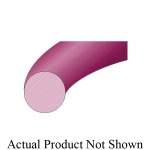
O-rings are closed circular rings of circular cross-section. They are made through vulcanization from form tools as a complete ring. The sealing function of the O-ring is achieved by the deformation of the cross-section when installed and compressed in its housing. The O-ring can be compressed either radially or axially in its installation housing. In operating conditions the pressure exerted by the media reinforces the sealing function, as under pressure the elastomer material functions as a non-compressible fluid.
O-rings are closed circular rings of circular cross-section. They are made through vulcanization from form tools as a complete ring. The sealing function of the O-ring is achieved by the deformation of the cross-section when installed and compressed in its housing. The O-ring can be compressed either radially or axially in its installation housing. In operating conditions the pressure exerted by the media reinforces the sealing function, as under pressure the elastomer material functions as a non-compressible fluid.
O-rings are closed circular rings of circular cross-section. They are made through vulcanization from form tools as a complete ring. The sealing function of the O-ring is achieved by the deformation of the cross-section when installed and compressed in its housing. The O-ring can be compressed either radially or axially in its installation housing. In operating conditions the pressure exerted by the media reinforces the sealing function, as under pressure the elastomer material functions as a non-compressible fluid.
O-rings are closed circular rings of circular cross-section. They are made through vulcanization from form tools as a complete ring. The sealing function of the O-ring is achieved by the deformation of the cross-section when installed and compressed in its housing. The O-ring can be compressed either radially or axially in its installation housing. In operating conditions the pressure exerted by the media reinforces the sealing function, as under pressure the elastomer material functions as a non-compressible fluid.
O-rings are closed circular rings of circular cross-section. They are made through vulcanization from form tools as a complete ring. The sealing function of the O-ring is achieved by the deformation of the cross-section when installed and compressed in its housing. The O-ring can be compressed either radially or axially in its installation housing. In operating conditions the pressure exerted by the media reinforces the sealing function, as under pressure the elastomer material functions as a non-compressible fluid.
O-rings are closed circular rings of circular cross-section. They are made through vulcanization from form tools as a complete ring. The sealing function of the O-ring is achieved by the deformation of the cross-section when installed and compressed in its housing. The O-ring can be compressed either radially or axially in its installation housing. In operating conditions the pressure exerted by the media reinforces the sealing function, as under pressure the elastomer material functions as a non-compressible fluid.
O-rings are closed circular rings of circular cross-section. They are made through vulcanization from form tools as a complete ring. The sealing function of the O-ring is achieved by the deformation of the cross-section when installed and compressed in its housing. The O-ring can be compressed either radially or axially in its installation housing. In operating conditions the pressure exerted by the media reinforces the sealing function, as under pressure the elastomer material functions as a non-compressible fluid.
O-rings are closed circular rings of circular cross-section. They are made through vulcanization from form tools as a complete ring. The sealing function of the O-ring is achieved by the deformation of the cross-section when installed and compressed in its housing. The O-ring can be compressed either radially or axially in its installation housing. In operating conditions the pressure exerted by the media reinforces the sealing function, as under pressure the elastomer material functions as a non-compressible fluid.
O-rings are closed circular rings of circular cross-section. They are made through vulcanization from form tools as a complete ring. The sealing function of the O-ring is achieved by the deformation of the cross-section when installed and compressed in its housing. The O-ring can be compressed either radially or axially in its installation housing. In operating conditions the pressure exerted by the media reinforces the sealing function, as under pressure the elastomer material functions as a non-compressible fluid.
O-rings are closed circular rings of circular cross-section. They are made through vulcanization from form tools as a complete ring. The sealing function of the O-ring is achieved by the deformation of the cross-section when installed and compressed in its housing. The O-ring can be compressed either radially or axially in its installation housing. In operating conditions the pressure exerted by the media reinforces the sealing function, as under pressure the elastomer material functions as a non-compressible fluid.
O-rings are closed circular rings of circular cross-section. They are made through vulcanization from form tools as a complete ring. The sealing function of the O-ring is achieved by the deformation of the cross-section when installed and compressed in its housing. The O-ring can be compressed either radially or axially in its installation housing. In operating conditions the pressure exerted by the media reinforces the sealing function, as under pressure the elastomer material functions as a non-compressible fluid.
O-rings are closed circular rings of circular cross-section. They are made through vulcanization from form tools as a complete ring. The sealing function of the O-ring is achieved by the deformation of the cross-section when installed and compressed in its housing. The O-ring can be compressed either radially or axially in its installation housing. In operating conditions the pressure exerted by the media reinforces the sealing function, as under pressure the elastomer material functions as a non-compressible fluid.
O-rings are closed circular rings of circular cross-section. They are made through vulcanization from form tools as a complete ring. The sealing function of the O-ring is achieved by the deformation of the cross-section when installed and compressed in its housing. The O-ring can be compressed either radially or axially in its installation housing. In operating conditions the pressure exerted by the media reinforces the sealing function, as under pressure the elastomer material functions as a non-compressible fluid.
O-rings are closed circular rings of circular cross-section. They are made through vulcanization from form tools as a complete ring. The sealing function of the O-ring is achieved by the deformation of the cross-section when installed and compressed in its housing. The O-ring can be compressed either radially or axially in its installation housing. In operating conditions the pressure exerted by the media reinforces the sealing function, as under pressure the elastomer material functions as a non-compressible fluid.
O-rings are closed circular rings of circular cross-section. They are made through vulcanization from form tools as a complete ring. The sealing function of the O-ring is achieved by the deformation of the cross-section when installed and compressed in its housing. The O-ring can be compressed either radially or axially in its installation housing. In operating conditions the pressure exerted by the media reinforces the sealing function, as under pressure the elastomer material functions as a non-compressible fluid.
O-rings are closed circular rings of circular cross-section. They are made through vulcanization from form tools as a complete ring. The sealing function of the O-ring is achieved by the deformation of the cross-section when installed and compressed in its housing. The O-ring can be compressed either radially or axially in its installation housing. In operating conditions the pressure exerted by the media reinforces the sealing function, as under pressure the elastomer material functions as a non-compressible fluid.
O-rings are closed circular rings of circular cross-section. They are made through vulcanization from form tools as a complete ring. The sealing function of the O-ring is achieved by the deformation of the cross-section when installed and compressed in its housing. The O-ring can be compressed either radially or axially in its installation housing. In operating conditions the pressure exerted by the media reinforces the sealing function, as under pressure the elastomer material functions as a non-compressible fluid.
O-rings are closed circular rings of circular cross-section. They are made through vulcanization from form tools as a complete ring. The sealing function of the O-ring is achieved by the deformation of the cross-section when installed and compressed in its housing. The O-ring can be compressed either radially or axially in its installation housing. In operating conditions the pressure exerted by the media reinforces the sealing function, as under pressure the elastomer material functions as a non-compressible fluid.
O-rings are closed circular rings of circular cross-section. They are made through vulcanization from form tools as a complete ring. The sealing function of the O-ring is achieved by the deformation of the cross-section when installed and compressed in its housing. The O-ring can be compressed either radially or axially in its installation housing. In operating conditions the pressure exerted by the media reinforces the sealing function, as under pressure the elastomer material functions as a non-compressible fluid.
O-rings are closed circular rings of circular cross-section. They are made through vulcanization from form tools as a complete ring. The sealing function of the O-ring is achieved by the deformation of the cross-section when installed and compressed in its housing. The O-ring can be compressed either radially or axially in its installation housing. In operating conditions the pressure exerted by the media reinforces the sealing function, as under pressure the elastomer material functions as a non-compressible fluid.
O-rings are closed circular rings of circular cross-section. They are made through vulcanization from form tools as a complete ring. The sealing function of the O-ring is achieved by the deformation of the cross-section when installed and compressed in its housing. The O-ring can be compressed either radially or axially in its installation housing. In operating conditions the pressure exerted by the media reinforces the sealing function, as under pressure the elastomer material functions as a non-compressible fluid.
O-rings are closed circular rings of circular cross-section. They are made through vulcanization from form tools as a complete ring. The sealing function of the O-ring is achieved by the deformation of the cross-section when installed and compressed in its housing. The O-ring can be compressed either radially or axially in its installation housing. In operating conditions the pressure exerted by the media reinforces the sealing function, as under pressure the elastomer material functions as a non-compressible fluid.
Dichtomatik N70151 O-Ring, 151 Dash Number, 2.987 in ID x 3.193 in OD, Nitrile Rubber, 70 Shore A Durometer, Import Custom 151
O-rings are closed circular rings of circular cross-section. They are made through vulcanization from form tools as a complete ring. The sealing function of the O-ring is achieved by the deformation of the cross-section when installed and compressed in its housing. The O-ring can be compressed either radially or axially in its installation housing. In operating conditions the pressure exerted by the media reinforces the sealing function, as under pressure the elastomer material functions as a non-compressible fluid.
Recently Viewed


Proto® TorquePlus™ J74281P Standard Length Universal Socket, Imperial, 1/2 in Square Drive, 7/8 in Flexible Socket
1-7/16" 8-PT 3/4"-DR I/SOCKETS-ARS21446>
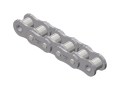
MAXCO Hi-Max® 12B Riveted ISO British Standard Roller Chain, Single Strand, 10ft Box, 3/4″ Pitch

