

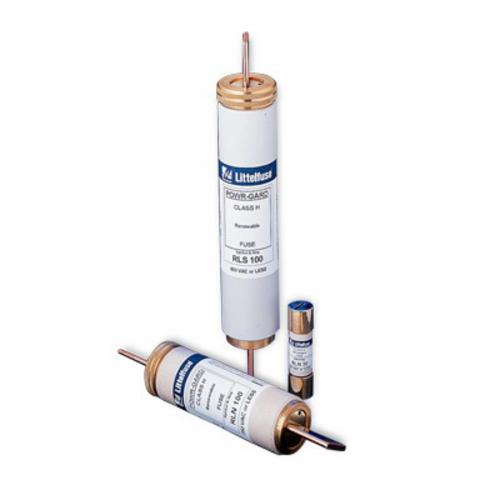
Littelfuse 5-AMP 250-V AC FUSELINKS LIT LKN-5

The LKN Series are fuse links designed for Littelfuse RLN series renewable fuses. Traditionally, Class H fuses were used to provide low cost protection of general purpose feeder and branch circuits where available short-circuit currents did not exceed 10,000 amperes. However, generally increased levels of available fault current and the distinct possibility that renewable fuses may be improperly renewed, rendering them unsafe, have all but eliminated the use of these fuses in new applications. In addition, escalating labour costs and increasing automation, which makes downtime very expensive, have greatly reduced or eliminated the cost savings attributed to renewable fuses.
-
BrandLittelfuse®
-
UPC079458320558
-
Manufacturer Part NumberLKN005
-
CountryUSA|Canada
-
Rated Breaking Capacity10 kA
-
Frequency Rating50/60 Hz
-
Mounting TypeFerrule
-
Voltage Rating250 V AC
-
Amperage Rating5 A
-
SeriesLKN
-
Dimensions2 in L x 1/2 in W
-
Suitable For Use WithRLN Series Class H Single Element Renewable/Time Delay Fuse
- Electrically connected to the ferrule end
-
UNSPSC39121609
-
Standards/ApprovalsUL Listed|CSA/CE Certified|RoHS Compliant
Recently Viewed
The LKN Series are fuse links designed for Littelfuse RLN series renewable fuses. Traditionally, Class H fuses were used to provide low cost protection of general purpose feeder and branch circuits where available short-circuit currents did not exceed 10,000 amperes. However, generally increased levels of available fault current and the distinct possibility that renewable fuses may be improperly renewed, rendering them unsafe, have all but eliminated the use of these fuses in new applications. In addition, escalating labour costs and increasing automation, which makes downtime very expensive, have greatly reduced or eliminated the cost savings attributed to renewable fuses.

Sealmaster® gold mounted ball bearings feature a wide outer race insert bearing with land riding metallic retainer. The black oxide treated bearing steel insert features an exclusive lock pin and dimple system providing a direct path for lubrication into the bearing and prevents outer ring rotation within the housing. Shaft lock is achieved by either setscrew or Skwezloc® concentric locking collar. The felt seal with flinger provide a good balance between contaminant entry, GoldPlex® HP grease loss and friction.
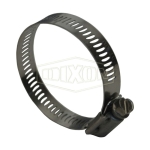
HCI Preferred Supplier 620016 Band Clamp, 11/16 to 1-1/2 in Nominal, 60 mm THK, 301 Stainless Steel
HCI Preferred Supplier 620016 Band Clamp, 11/16 to 1-1/2 in Nominal, 60 mm THK, 301 Stainless Steel
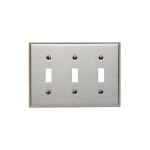
Familiar and functional, Leviton® traditional wallplates are designed for use with traditional Leviton® devices. They represent styles and form factors that have stood the test of time. Their clean lines work in virtually any location, whether in new or retrofit construction and they install quickly and easily. Leviton® offers traditional wallplates in a vast array of colors and configurations.
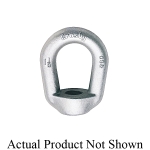
Crosby® 1090553 G-400#5 Eye Nut, 3/4 in, Forged Steel, Hot Dipped Galvanized, 5200 lb Working
Crosby® 1090553 G-400 Eye Nut, 3/4 in, Forged Steel, Hot Dipped Galvanized, 5200 lb Working

Calterm 50185 Wire, Copper Conductor, 18 AWG Conductor, 2 in L, For Use With Repairs or New Wiring Applications, Domestic
Calterm 50185 Wire, Copper Conductor, 18 AWG Conductor, 2 in L, For Use With Repairs or New Wiring Applications, Domestic

