

UL Class Fuse Links
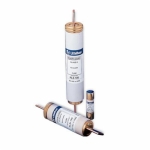
The LKN Series are fuse links designed for Littelfuse RLN series renewable fuses. Traditionally, Class H fuses were used to provide low cost protection of general purpose feeder and branch circuits where available short-circuit currents did not exceed 10,000 amperes. However, generally increased levels of available fault current and the distinct possibility that renewable fuses may be improperly renewed, rendering them unsafe, have all but eliminated the use of these fuses in new applications. In addition, escalating labour costs and increasing automation, which makes downtime very expensive, have greatly reduced or eliminated the cost savings attributed to renewable fuses.
The LKN Series are fuse links designed for Littelfuse RLN series renewable fuses. Traditionally, Class H fuses were used to provide low cost protection of general purpose feeder and branch circuits where available short-circuit currents did not exceed 10,000 amperes. However, generally increased levels of available fault current and the distinct possibility that renewable fuses may be improperly renewed, rendering them unsafe, have all but eliminated the use of these fuses in new applications. In addition, escalating labour costs and increasing automation, which makes downtime very expensive, have greatly reduced or eliminated the cost savings attributed to renewable fuses.
The LKN Series are fuse links designed for Littelfuse RLN series renewable fuses. Traditionally, Class H fuses were used to provide low cost protection of general purpose feeder and branch circuits where available short-circuit currents did not exceed 10,000 amperes. However, generally increased levels of available fault current and the distinct possibility that renewable fuses may be improperly renewed, rendering them unsafe, have all but eliminated the use of these fuses in new applications. In addition, escalating labour costs and increasing automation, which makes downtime very expensive, have greatly reduced or eliminated the cost savings attributed to renewable fuses.
The LKN Series are fuse links designed for Littelfuse RLN series renewable fuses. Traditionally, Class H fuses were used to provide low cost protection of general purpose feeder and branch circuits where available short-circuit currents did not exceed 10,000 amperes. However, generally increased levels of available fault current and the distinct possibility that renewable fuses may be improperly renewed, rendering them unsafe, have all but eliminated the use of these fuses in new applications. In addition, escalating labour costs and increasing automation, which makes downtime very expensive, have greatly reduced or eliminated the cost savings attributed to renewable fuses.
The LKN Series are fuse links designed for Littelfuse RLN series renewable fuses. Traditionally, Class H fuses were used to provide low cost protection of general purpose feeder and branch circuits where available short-circuit currents did not exceed 10,000 amperes. However, generally increased levels of available fault current and the distinct possibility that renewable fuses may be improperly renewed, rendering them unsafe, have all but eliminated the use of these fuses in new applications. In addition, escalating labour costs and increasing automation, which makes downtime very expensive, have greatly reduced or eliminated the cost savings attributed to renewable fuses.
The LKN Series are fuse links designed for Littelfuse RLN series renewable fuses. Traditionally, Class H fuses were used to provide low cost protection of general purpose feeder and branch circuits where available short-circuit currents did not exceed 10,000 amperes. However, generally increased levels of available fault current and the distinct possibility that renewable fuses may be improperly renewed, rendering them unsafe, have all but eliminated the use of these fuses in new applications. In addition, escalating labour costs and increasing automation, which makes downtime very expensive, have greatly reduced or eliminated the cost savings attributed to renewable fuses.
The LKN Series are fuse links designed for Littelfuse RLN series renewable fuses. Traditionally, Class H fuses were used to provide low cost protection of general purpose feeder and branch circuits where available short-circuit currents did not exceed 10,000 amperes. However, generally increased levels of available fault current and the distinct possibility that renewable fuses may be improperly renewed, rendering them unsafe, have all but eliminated the use of these fuses in new applications. In addition, escalating labour costs and increasing automation, which makes downtime very expensive, have greatly reduced or eliminated the cost savings attributed to renewable fuses.
The LKN Series are fuse links designed for Littelfuse RLN series renewable fuses. Traditionally, Class H fuses were used to provide low cost protection of general purpose feeder and branch circuits where available short-circuit currents did not exceed 10,000 amperes. However, generally increased levels of available fault current and the distinct possibility that renewable fuses may be improperly renewed, rendering them unsafe, have all but eliminated the use of these fuses in new applications. In addition, escalating labour costs and increasing automation, which makes downtime very expensive, have greatly reduced or eliminated the cost savings attributed to renewable fuses.
The LKN Series are fuse links designed for Littelfuse RLN series renewable fuses. Traditionally, Class H fuses were used to provide low cost protection of general purpose feeder and branch circuits where available short-circuit currents did not exceed 10,000 amperes. However, generally increased levels of available fault current and the distinct possibility that renewable fuses may be improperly renewed, rendering them unsafe, have all but eliminated the use of these fuses in new applications. In addition, escalating labour costs and increasing automation, which makes downtime very expensive, have greatly reduced or eliminated the cost savings attributed to renewable fuses.
The LKN Series are fuse links designed for Littelfuse RLN series renewable fuses. Traditionally, Class H fuses were used to provide low cost protection of general purpose feeder and branch circuits where available short-circuit currents did not exceed 10,000 amperes. However, generally increased levels of available fault current and the distinct possibility that renewable fuses may be improperly renewed, rendering them unsafe, have all but eliminated the use of these fuses in new applications. In addition, escalating labour costs and increasing automation, which makes downtime very expensive, have greatly reduced or eliminated the cost savings attributed to renewable fuses.
The LKN Series are fuse links designed for Littelfuse RLN series renewable fuses. Traditionally, Class H fuses were used to provide low cost protection of general purpose feeder and branch circuits where available short-circuit currents did not exceed 10,000 amperes. However, generally increased levels of available fault current and the distinct possibility that renewable fuses may be improperly renewed, rendering them unsafe, have all but eliminated the use of these fuses in new applications. In addition, escalating labour costs and increasing automation, which makes downtime very expensive, have greatly reduced or eliminated the cost savings attributed to renewable fuses.
The LKN Series are fuse links designed for Littelfuse RLN series renewable fuses. Traditionally, Class H fuses were used to provide low cost protection of general purpose feeder and branch circuits where available short-circuit currents did not exceed 10,000 amperes. However, generally increased levels of available fault current and the distinct possibility that renewable fuses may be improperly renewed, rendering them unsafe, have all but eliminated the use of these fuses in new applications. In addition, escalating labour costs and increasing automation, which makes downtime very expensive, have greatly reduced or eliminated the cost savings attributed to renewable fuses.
The LKN Series are fuse links designed for Littelfuse RLN series renewable fuses. Traditionally, Class H fuses were used to provide low cost protection of general purpose feeder and branch circuits where available short-circuit currents did not exceed 10,000 amperes. However, generally increased levels of available fault current and the distinct possibility that renewable fuses may be improperly renewed, rendering them unsafe, have all but eliminated the use of these fuses in new applications. In addition, escalating labour costs and increasing automation, which makes downtime very expensive, have greatly reduced or eliminated the cost savings attributed to renewable fuses.
Recently Viewed

Gardner Bender GSW-22 Push Button Switch, SPST Contact, Momentary Contact, Pushbutton Operator, Black
Gardner Bender GSW-22 Push Button Switch, SPST Contact, Momentary Contact, Push Button Operator, Black
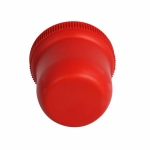
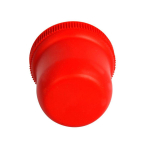
EATON 10250TA4 Heavy Duty Extended Boot, For Use With Pushbutton Operator, 30.5 mm, Red
Eaton's 10250T line of 30.5 mm pushbuttons features a heavy-duty zinc die cast construction. Reliability nibs improve contact reliability even under dry circuit and fine dust conditions. In addition, drainage holes prevent the buildup of liquid inside the operator, which can prevent operation in freezing environments.
CHAINSAW FILE ORANGE HANDLES-WIN6604 >
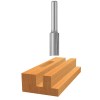
1/2" STRAIGHT BIT 2-FL H.S.S.-BSH85100>

