

Torque Limiters

Browning® 1296342 Automatic Torque Limiter, 3/4 in Straight Bore, 2-1/2 in OD, 800 in-lb (1 Spring)/1100 in-lb (2 Spring) Torque
Browning® torque limiters are torque control devices that slip under excessive load but automatically carry the desired load after the excess has been removed. The device can be easily adjusted to slip at a desired overload and automatically re-engage when overload is removed. Overload should be removed promptly since prolonged slippage can be detrimental to the friction disc. Generally, no resetting is required after the torque limiter has slipped. Torque limiters help prevent machine and product damage and costly downtime caused by shock loads, overloads or machine jams but should not be used as clutches.

Browning® 1296359 Automatic Torque Limiter, 7/8 in Straight Bore, 2-1/2 in OD, 800 in-lb (1 Spring)/1100 in-lb (2 Spring) Torque
Browning® torque limiters are torque control devices that slip under excessive load but automatically carry the desired load after the excess has been removed. The device can be easily adjusted to slip at a desired overload and automatically re-engage when overload is removed. Overload should be removed promptly since prolonged slippage can be detrimental to the friction disc. Generally, no resetting is required after the torque limiter has slipped. Torque limiters help prevent machine and product damage and costly downtime caused by shock loads, overloads or machine jams but should not be used as clutches.

Browning® 1296367 T35L Automatic Torque Limiter, 5/8 in Finished Bore, 3-1/2 in OD, 1800 in-lb (1-Spring)/3000 in-lb (2-Spring) Torque
The Browning® torque limiter is a spring loaded friction style torque overload device. The load on the friction pads is adjusted so that the process torque is transmitted. An overload torque in excess of the set torque causes the unit to slip. This prevents overloads from transmitting through the system. When the load falls below the set level, the torque limiter stops slipping and transmits the torque. A torque limiter does not maintain phase between input and output. Although it is a similar size, the Browning® torque limiter has a higher torque density than the Morse® torque limiter. It is also well suited for applications that trip infrequently at high loads. It is most often used in a chain drive. A specially machined sprocket is inserted between the friction pads and acts as the slip interface. Torque capacity is up to 8800 in-lb.

Browning® 1296375 Automatic Torque Limiter, 3/4 in Straight Bore, 3-1/2 in OD, 1800 in-lb (1 Spring)/3000 in-lb (2 Spring) Torque
Browning® torque limiters are torque control devices that slip under excessive load but automatically carry the desired load after the excess has been removed. The device can be easily adjusted to slip at a desired overload and automatically re-engage when overload is removed. Overload should be removed promptly since prolonged slippage can be detrimental to the friction disc. Generally, no resetting is required after the torque limiter has slipped. Torque limiters help prevent machine and product damage and costly downtime caused by shock loads, overloads or machine jams but should not be used as clutches.

Browning® 1296391 Automatic Torque Limiter, 1 in Straight Bore, 3-1/2 in OD, 1800 in-lb (1 Spring)/3000 in-lb (2 Spring) Torque
Browning® torque limiters are torque control devices that slip under excessive load but automatically carry the desired load after the excess has been removed. The device can be easily adjusted to slip at a desired overload and automatically re-engage when overload is removed. Overload should be removed promptly since prolonged slippage can be detrimental to the friction disc. Generally, no resetting is required after the torque limiter has slipped. Torque limiters help prevent machine and product damage and costly downtime caused by shock loads, overloads or machine jams but should not be used as clutches.

Browning® 1296417 T45L Automatic Torque Limiter, 3/4 in Finished Bore, 4-1/2 in OD, 2800 in-lb (1-Spring)/4900 in-lb (2-Spring) Torque
The Browning® torque limiter is a spring loaded friction style torque overload device. The load on the friction pads is adjusted so that the process torque is transmitted. An overload torque in excess of the set torque causes the unit to slip. This prevents overloads from transmitting through the system. When the load falls below the set level, the torque limiter stops slipping and transmits the torque. A torque limiter does not maintain phase between input and output. Although it is a similar size, the Browning® torque limiter has a higher torque density than the Morse® torque limiter. It is also well suited for applications that trip infrequently at high loads. It is most often used in a chain drive. A specially machined sprocket is inserted between the friction pads and acts as the slip interface. Torque capacity is up to 8800 in-lb.

Browning® 1296433 Automatic Torque Limiter, 1 in Straight Bore, 4-1/2 in OD, 2800 in-lb (1 Spring)/4900 in-lb (2 Spring) Torque
Browning® torque limiters are torque control devices that slip under excessive load but automatically carry the desired load after the excess has been removed. The device can be easily adjusted to slip at a desired overload and automatically re-engage when overload is removed. Overload should be removed promptly since prolonged slippage can be detrimental to the friction disc. Generally, no resetting is required after the torque limiter has slipped. Torque limiters help prevent machine and product damage and costly downtime caused by shock loads, overloads or machine jams but should not be used as clutches.

Browning® 1296441 T45L Automatic Torque Limiter, 1-1/8 in Finished Bore, 4-1/2 in OD, 2800 in-lb (1-Spring)/4900 in-lb (2-Spring) Torque
The Browning® torque limiter is a spring loaded friction style torque overload device. The load on the friction pads is adjusted so that the process torque is transmitted. An overload torque in excess of the set torque causes the unit to slip. This prevents overloads from transmitting through the system. When the load falls below the set level, the torque limiter stops slipping and transmits the torque. A torque limiter does not maintain phase between input and output. Although it is a similar size, the Browning® torque limiter has a higher torque density than the Morse® torque limiter. It is also well suited for applications that trip infrequently at high loads. It is most often used in a chain drive. A specially machined sprocket is inserted between the friction pads and acts as the slip interface. Torque capacity is up to 8800 in-lb.

Browning® 1296458 T45L Automatic Torque Limiter, 1-3/16 in Finished Bore, 4-1/2 in OD, 2800 in-lb (1-Spring)/4900 in-lb (2-Spring) Torque
The Browning® torque limiter is a spring loaded friction style torque overload device. The load on the friction pads is adjusted so that the process torque is transmitted. An overload torque in excess of the set torque causes the unit to slip. This prevents overloads from transmitting through the system. When the load falls below the set level, the torque limiter stops slipping and transmits the torque. A torque limiter does not maintain phase between input and output. Although it is a similar size, the Browning® torque limiter has a higher torque density than the Morse® torque limiter. It is also well suited for applications that trip infrequently at high loads. It is most often used in a chain drive. A specially machined sprocket is inserted between the friction pads and acts as the slip interface. Torque capacity is up to 8800 in-lb.

Browning® 1296474 T45L Automatic Torque Limiter, 1-3/8 in Finished Bore, 4-1/2 in OD, 2800 in-lb (1-Spring)/4900 in-lb (2-Spring) Torque
The Browning® torque limiter is a spring loaded friction style torque overload device. The load on the friction pads is adjusted so that the process torque is transmitted. An overload torque in excess of the set torque causes the unit to slip. This prevents overloads from transmitting through the system. When the load falls below the set level, the torque limiter stops slipping and transmits the torque. A torque limiter does not maintain phase between input and output. Although it is a similar size, the Browning® torque limiter has a higher torque density than the Morse® torque limiter. It is also well suited for applications that trip infrequently at high loads. It is most often used in a chain drive. A specially machined sprocket is inserted between the friction pads and acts as the slip interface. Torque capacity is up to 8800 in-lb.

Browning® 1296482 T55L Automatic Torque Limiter, 1 in Finished Bore, 5-1/2 in OD, 3800 in-lb (1-Spring)/6800 in-lb (2-Spring) Torque
The Browning® torque limiter is a spring loaded friction style torque overload device. The load on the friction pads is adjusted so that the process torque is transmitted. An overload torque in excess of the set torque causes the unit to slip. This prevents overloads from transmitting through the system. When the load falls below the set level, the torque limiter stops slipping and transmits the torque. A torque limiter does not maintain phase between input and output. Although it is a similar size, the Browning® torque limiter has a higher torque density than the Morse® torque limiter. It is also well suited for applications that trip infrequently at high loads. It is most often used in a chain drive. A specially machined sprocket is inserted between the friction pads and acts as the slip interface. Torque capacity is up to 8800 in-lb.

Browning® 1296516 T55L Automatic Torque Limiter, 1-1/4 in Finished Bore, 5-1/2 in OD, 3800 in-lb (1-Spring)/6800 in-lb (2-Spring) Torque
The Browning® torque limiter is a spring loaded friction style torque overload device. The load on the friction pads is adjusted so that the process torque is transmitted. An overload torque in excess of the set torque causes the unit to slip. This prevents overloads from transmitting through the system. When the load falls below the set level, the torque limiter stops slipping and transmits the torque. A torque limiter does not maintain phase between input and output. Although it is a similar size, the Browning® torque limiter has a higher torque density than the Morse® torque limiter. It is also well suited for applications that trip infrequently at high loads. It is most often used in a chain drive. A specially machined sprocket is inserted between the friction pads and acts as the slip interface. Torque capacity is up to 8800 in-lb.

Browning® 1296524 T55L Automatic Torque Limiter, 1-3/8 in Finished Bore, 5-1/2 in OD, 3800 in-lb (1-Spring)/6800 in-lb (2-Spring) Torque
The Browning® torque limiter is a spring loaded friction style torque overload device. The load on the friction pads is adjusted so that the process torque is transmitted. An overload torque in excess of the set torque causes the unit to slip. This prevents overloads from transmitting through the system. When the load falls below the set level, the torque limiter stops slipping and transmits the torque. A torque limiter does not maintain phase between input and output. Although it is a similar size, the Browning® torque limiter has a higher torque density than the Morse® torque limiter. It is also well suited for applications that trip infrequently at high loads. It is most often used in a chain drive. A specially machined sprocket is inserted between the friction pads and acts as the slip interface. Torque capacity is up to 8800 in-lb.

Browning® 1296532 T55L Automatic Torque Limiter, 1-7/16 in Finished Bore, 5-1/2 in OD, 3800 in-lb (1-Spring)/6800 in-lb (2-Spring) Torque
The Browning® torque limiter is a spring loaded friction style torque overload device. The load on the friction pads is adjusted so that the process torque is transmitted. An overload torque in excess of the set torque causes the unit to slip. This prevents overloads from transmitting through the system. When the load falls below the set level, the torque limiter stops slipping and transmits the torque. A torque limiter does not maintain phase between input and output. Although it is a similar size, the Browning® torque limiter has a higher torque density than the Morse® torque limiter. It is also well suited for applications that trip infrequently at high loads. It is most often used in a chain drive. A specially machined sprocket is inserted between the friction pads and acts as the slip interface. Torque capacity is up to 8800 in-lb.

Browning® 1296540 Automatic Torque Limiter, 1-1/2 in Straight Bore, 5-1/2 in OD, 3800 in-lb (1 Spring)/6800 in-lb (2 Spring) Torque
Browning® torque limiters are torque control devices that slip under excessive load but automatically carry the desired load after the excess has been removed. The device can be easily adjusted to slip at a desired overload and automatically re-engage when overload is removed. Overload should be removed promptly since prolonged slippage can be detrimental to the friction disc. Generally, no resetting is required after the torque limiter has slipped. Torque limiters help prevent machine and product damage and costly downtime caused by shock loads, overloads or machine jams but should not be used as clutches.

Browning® 1296573 T65L Automatic Torque Limiter, 1-7/16 in Finished Bore, 6-1/2 in OD, 4800 in-lb (1-Spring)/8800 in-lb (2-Spring) Torque
The Browning® torque limiter is a spring loaded friction style torque overload device. The load on the friction pads is adjusted so that the process torque is transmitted. An overload torque in excess of the set torque causes the unit to slip. This prevents overloads from transmitting through the system. When the load falls below the set level, the torque limiter stops slipping and transmits the torque. A torque limiter does not maintain phase between input and output. Although it is a similar size, the Browning® torque limiter has a higher torque density than the Morse® torque limiter. It is also well suited for applications that trip infrequently at high loads. It is most often used in a chain drive. A specially machined sprocket is inserted between the friction pads and acts as the slip interface. Torque capacity is up to 8800 in-lb.

Browning® 1296615 T65L Automatic Torque Limiter, 1-15/16 in Finished Bore, 6-1/2 in OD, 4800 in-lb (1-Spring)/8800 in-lb (2-Spring) Torque
The Browning® torque limiter is a spring loaded friction style torque overload device. The load on the friction pads is adjusted so that the process torque is transmitted. An overload torque in excess of the set torque causes the unit to slip. This prevents overloads from transmitting through the system. When the load falls below the set level, the torque limiter stops slipping and transmits the torque. A torque limiter does not maintain phase between input and output. Although it is a similar size, the Browning® torque limiter has a higher torque density than the Morse® torque limiter. It is also well suited for applications that trip infrequently at high loads. It is most often used in a chain drive. A specially machined sprocket is inserted between the friction pads and acts as the slip interface. Torque capacity is up to 8800 in-lb.

The Morse® torque limiter is a protective device that limits torque transmitted in a drive system by slipping when the torque demand exceeds a preset value as a result of shock loads, overloads or machine jams. It automatically re-engages when the overload torque has passed, no resetting is required. The Morse® torque limiter helps prevent machine damage and eliminates costly downtime. Using spring loaded friction surfaces for its operation, the Morse® torque limiter presets slip torque by adjustment of the spring force. This device can be used with a sprocket, gear, sheave or flange plate as the center member that is clamped between two friction facings.

Morse® 465702 TL Series Torque Limiter, 5/8 in Straight Bore, 2-1/2 in OD, 5 to 20 in-lb Torque
The Morse® torque limiter is a protective device that limits torque transmitted in a drive system by slipping when the torque demand exceeds a preset value as a result of shock loads, overloads or machine jams. It automatically re-engages when the overload torque has passed, no resetting is required. The Morse® torque limiter helps prevent machine damage and eliminates costly downtime. Using spring loaded friction surfaces for its operation, the Morse® torque limiter presets slip torque by adjustment of the spring force. This device can be used with a sprocket, gear, sheave or flange plate as the center member that is clamped between two friction facings.

Morse® 465703 TL Series Torque Limiter, 3/4 in Straight Bore, 2-1/2 in OD, 5 to 20 in-lb Torque
The Morse® torque limiter is a protective device that limits torque transmitted in a drive system by slipping when the torque demand exceeds a preset value as a result of shock loads, overloads or machine jams. It automatically re-engages when the overload torque has passed, no resetting is required. The Morse® torque limiter helps prevent machine damage and eliminates costly downtime. Using spring loaded friction surfaces for its operation, the Morse® torque limiter presets slip torque by adjustment of the spring force. This device can be used with a sprocket, gear, sheave or flange plate as the center member that is clamped between two friction facings.

Morse® 465704 TL Series Torque Limiter, 7/8 in Straight Bore, 2-1/2 in OD, 5 to 20 in-lb Torque
The Morse® torque limiter is a protective device that limits torque transmitted in a drive system by slipping when the torque demand exceeds a preset value as a result of shock loads, overloads or machine jams. It automatically re-engages when the overload torque has passed, no resetting is required. The Morse® torque limiter helps prevent machine damage and eliminates costly downtime. Using spring loaded friction surfaces for its operation, the Morse® torque limiter presets slip torque by adjustment of the spring force. This device can be used with a sprocket, gear, sheave or flange plate as the center member that is clamped between two friction facings.

Morse® 466103 TL Series Torque Limiter, 1-1/8 in Straight Bore, 5 in OD, 35 to 155 in-lb Torque
The Morse® torque limiter is a protective device that limits torque transmitted in a drive system by slipping when the torque demand exceeds a preset value as a result of shock loads, overloads or machine jams. It automatically re-engages when the overload torque has passed, no resetting is required. The Morse® torque limiter helps prevent machine damage and eliminates costly downtime. Using spring loaded friction surfaces for its operation, the Morse® torque limiter presets slip torque by adjustment of the spring force. This device can be used with a sprocket, gear, sheave or flange plate as the center member that is clamped between two friction facings.

Morse® 466105 TL Series Torque Limiter, 1-3/8 in Straight Bore, 5 in OD, 35 to 155 in-lb Torque
The Morse® torque limiter is a protective device that limits torque transmitted in a drive system by slipping when the torque demand exceeds a preset value as a result of shock loads, overloads or machine jams. It automatically re-engages when the overload torque has passed, no resetting is required. The Morse® torque limiter helps prevent machine damage and eliminates costly downtime. Using spring loaded friction surfaces for its operation, the Morse® torque limiter presets slip torque by adjustment of the spring force. This device can be used with a sprocket, gear, sheave or flange plate as the center member that is clamped between two friction facings.

Morse® 466106 TL Series Torque Limiter, 1-7/16 in Straight Bore, 5 in OD, 35 to 155 in-lb Torque
The Morse® torque limiter is a protective device that limits torque transmitted in a drive system by slipping when the torque demand exceeds a preset value as a result of shock loads, overloads or machine jams. It automatically re-engages when the overload torque has passed, no resetting is required. The Morse® torque limiter helps prevent machine damage and eliminates costly downtime. Using spring loaded friction surfaces for its operation, the Morse® torque limiter presets slip torque by adjustment of the spring force. This device can be used with a sprocket, gear, sheave or flange plate as the center member that is clamped between two friction facings.
Recently Viewed

RUBBER COUPLING INSERTS-BRWJS7N >
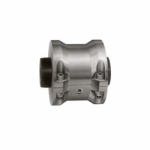
1060-T-10-CG Dodge® 006754 Horizontal Split Type T10 Grid and Cover Assembly, For Use With Grid-Lign® Coupling
Dodge® 006754 Horizontal Split Type T10 Grid and Cover Assembly, For Use With Grid-Lign® Coupling
SLOTTED POWER BIT 6-7, 1/4"-MGN28295 >
3-D-CELL MAGLITE FLASHLIGHT 804312-MGLS3D016 >

4-BULB T-5 480-V SYLVANIA BALLAST
10" ALUMINUM PIPE WRENCHES-EGO1041000>

