

Timing Pulleys

Browning® Gearbelt® 1056563 Type 4 Synchronous Timing Pulley With Flange, 3/8 to 1 in Split Taper Bore, 2.596 in OD, 22 Grooves, 2.626 in Dia Pitch, 1-1/4 in W Face
Synchronous belt drives help reduce the problems of slippage, belt stretch, lubrication and metal to metal contact. They provide superior performance because power is transmitted by positive engagement of belt teeth rather than by friction, as in conventional belt drives.

Browning® Gearbelt® 1056571 Type 4 Synchronous Timing Pulley With Flange, 3/8 to 1-1/2 in Split Taper Bore, 2.835 in OD, 24 Grooves, 2.865 in Dia Pitch, 1-1/4 in W Face
Synchronous belt drives help reduce the problems of slippage, belt stretch, lubrication and metal to metal contact. They provide superior performance because power is transmitted by positive engagement of belt teeth rather than by friction, as in conventional belt drives.

Browning® Gearbelt® 1056589 Type 4 Synchronous Timing Pulley With Flange, 3/8 to 1-1/2 in Split Taper Bore, 3.074 in OD, 26 Grooves, 3.104 in Dia Pitch, 1-1/4 in W Face
Synchronous belt drives help reduce the problems of slippage, belt stretch, lubrication and metal to metal contact. They provide superior performance because power is transmitted by positive engagement of belt teeth rather than by friction, as in conventional belt drives.

Browning® Gearbelt® 1056597 Type 4 Synchronous Timing Pulley With Flange, 3/8 to 1-1/2 in Split Taper Bore, 3.312 in OD, 28 Grooves, 3.342 in Dia Pitch, 1-1/4 in W Face
Synchronous belt drives help reduce the problems of slippage, belt stretch, lubrication and metal to metal contact. They provide superior performance because power is transmitted by positive engagement of belt teeth rather than by friction, as in conventional belt drives.

Browning® Gearbelt® 1056621 Type 16 Synchronous Timing Pulley With Flange, 3/8 to 1-1/2 in Split Taper Bore, 4.267 in OD, 36 Grooves, 4.297 in Dia Pitch, 1-1/4 in W Face
Synchronous belt drives help reduce the problems of slippage, belt stretch, lubrication and metal to metal contact. They provide superior performance because power is transmitted by positive engagement of belt teeth rather than by friction, as in conventional belt drives.

Browning® Gearbelt® 1056662 Type 16 Synchronous Flanged Pulley, 3/8 to 1-1/2 in Split Taper Bore, 5.222 in OD, 44 Grooves, 5.252 in Dia Pitch, 1-1/4 in W Face
Browning® Gearbelt® 1056662 Type 16 Synchronous Flanged Pulley, 3/8 to 1-1/2 in Split Taper Bore, 5.222 in OD, 44 Grooves, 5.252 in Dia Pitch, 1-1/4 in W Face

Browning® Gearbelt® 1056688 Type 16 Synchronous Timing Pulley With Flange, 3/8 to 1-1/2 in Split Taper Bore, 5.7 in OD, 48 Grooves, 5.73 in Dia Pitch, 1-1/4 in W Face
Synchronous belt drives help reduce the problems of slippage, belt stretch, lubrication and metal to metal contact. They provide superior performance because power is transmitted by positive engagement of belt teeth rather than by friction, as in conventional belt drives.

Browning® Gearbelt® 1056829 Type 4 Synchronous Timing Pulley With Flange, 3/8 to 1-1/2 in Split Taper Bore, 2.811 in OD, 18 Grooves, 2.865 in Dia Pitch, 1-1/4 in W Face
Synchronous belt drives help reduce the problems of slippage, belt stretch, lubrication and metal to metal contact. They provide superior performance because power is transmitted by positive engagement of belt teeth rather than by friction, as in conventional belt drives.

Browning® Gearbelt® 1056837 Type 4 Synchronous Timing Pulley With Flange, 3/8 to 1-1/2 in Split Taper Bore, 3.129 in OD, 20 Grooves, 3.183 in Dia Pitch, 1-1/4 in W Face
Synchronous belt drives help reduce the problems of slippage, belt stretch, lubrication and metal to metal contact. They provide superior performance because power is transmitted by positive engagement of belt teeth rather than by friction, as in conventional belt drives.

Browning® Gearbelt® 1056845 Type 16 Synchronous Timing Pulley With Flange, 3/8 to 1-1/2 in Split Taper Bore, 3.447 in OD, 22 Grooves, 3.501 in Dia Pitch, 1-1/4 in W Face
Synchronous belt drives help reduce the problems of slippage, belt stretch, lubrication and metal to metal contact. They provide superior performance because power is transmitted by positive engagement of belt teeth rather than by friction, as in conventional belt drives.

Browning® Gearbelt® 1056852 Type 6 Synchronous Timing Pulley With Flange, 1/2 to 1-3/4 in Split Taper Bore, 3.447 in OD, 22 Grooves, 3.501 in Dia Pitch, 1-1/4 in W Face
Synchronous belt drives help reduce the problems of slippage, belt stretch, lubrication and metal to metal contact. They provide superior performance because power is transmitted by positive engagement of belt teeth rather than by friction, as in conventional belt drives.

Browning® Gearbelt® 1056886 Type 16 Synchronous Timing Pulley With Flange, 3/8 to 1-1/2 in Split Taper Bore, 4.084 in OD, 26 Grooves, 4.138 in Dia Pitch, 1-1/4 in W Face
Synchronous belt drives help reduce the problems of slippage, belt stretch, lubrication and metal to metal contact. They provide superior performance because power is transmitted by positive engagement of belt teeth rather than by friction, as in conventional belt drives.

Browning® Gearbelt® 1056928 Type 16 Synchronous Timing Pulley With Flange, 3/8 to 1-1/2 in Split Taper Bore, 4.721 in OD, 30 Grooves, 4.775 in Dia Pitch, 1-1/4 in W Face
Synchronous belt drives help reduce the problems of slippage, belt stretch, lubrication and metal to metal contact. They provide superior performance because power is transmitted by positive engagement of belt teeth rather than by friction, as in conventional belt drives.

Browning® Gearbelt® 1056977 Type 7 Synchronous Timing Pulley With Flange, 3/4 to 2-11/16 in Split Taper Bore, 6.949 in OD, 44 Grooves, 7.003 in Dia Pitch, 1-1/4 in W Face
Synchronous belt drives help reduce the problems of slippage, belt stretch, lubrication and metal to metal contact. They provide superior performance because power is transmitted by positive engagement of belt teeth rather than by friction, as in conventional belt drives.

Browning® Gearbelt® 1056985 Type 13 Synchronous Flanged Pulley, 3/4 to 2-11/16 in Split Taper Bore, 7.585 in OD, 48 Grooves, 7.639 in Dia Pitch, 1-1/4 in W Face
Browning® Gearbelt® 1056985 Type 13 Synchronous Flanged Pulley, 3/4 to 2-11/16 in Split Taper Bore, 7.585 in OD, 48 Grooves, 7.639 in Dia Pitch, 1-1/4 in W Face

Browning® Gearbelt® 1057009 Type 13 Synchronous Timing Pulley, 3/4 to 2-11/16 in Split Taper Bore, 11.405 in OD, 72 Grooves, 11.459 in Dia Pitch, 1-1/4 in W Face
Browning® Gearbelt® 1057009 Type 13 Synchronous Timing Pulley, 3/4 to 2-11/16 in Split Taper Bore, 11.405 in OD, 72 Grooves, 11.459 in Dia Pitch, 1-1/4 in W Face

Browning® Gearbelt® 1057116 Type 16 Synchronous Timing Pulley With Flange, 3/8 to 1-1/2 in Split Taper Bore, 3.766 in OD, 24 Grooves, 3.82 in Dia Pitch, 1-3/4 in W Face
Synchronous belt drives help reduce the problems of slippage, belt stretch, lubrication and metal to metal contact. They provide superior performance because power is transmitted by positive engagement of belt teeth rather than by friction, as in conventional belt drives.

Browning® Gearbelt® 1057124 Type 9 Synchronous Timing Pulley With Flange, 1/2 to 1-3/4 in Split Taper Bore, 3.766 in OD, 24 Grooves, 3.82 in Dia Pitch, 1-3/4 in W Face
Synchronous belt drives help reduce the problems of slippage, belt stretch, lubrication and metal to metal contact. They provide superior performance because power is transmitted by positive engagement of belt teeth rather than by friction, as in conventional belt drives.

Browning® Gearbelt® 1057132 Type 16 Synchronous Timing Pulley With Flange, 3/8 to 1-1/2 in Split Taper Bore, 4.084 in OD, 26 Grooves, 4.138 in Dia Pitch, 1-3/4 in W Face
Synchronous belt drives help reduce the problems of slippage, belt stretch, lubrication and metal to metal contact. They provide superior performance because power is transmitted by positive engagement of belt teeth rather than by friction, as in conventional belt drives.

Browning® Gearbelt® 1057157 Type 16 Synchronous Timing Pulley With Flange, 3/8 to 1-1/2 in Split Taper Bore, 4.402 in OD, 28 Grooves, 4.456 in Dia Pitch, 1-3/4 in W Face
Synchronous belt drives help reduce the problems of slippage, belt stretch, lubrication and metal to metal contact. They provide superior performance because power is transmitted by positive engagement of belt teeth rather than by friction, as in conventional belt drives.

Browning® Gearbelt® 1057207 Type 9 Synchronous Timing Pulley With Flange, 3/4 to 2-11/16 in Split Taper Bore, 5.676 in OD, 36 Grooves, 5.73 in Dia Pitch, 1-3/4 in W Face
Synchronous belt drives help reduce the problems of slippage, belt stretch, lubrication and metal to metal contact. They provide superior performance because power is transmitted by positive engagement of belt teeth rather than by friction, as in conventional belt drives.

Browning® Gearbelt® 1057231 Type 9 Synchronous Timing Pulley With Flange, 3/4 to 2-11/16 in Split Taper Bore, 7.585 in OD, 48 Grooves, 7.639 in Dia Pitch, 1-3/4 in W Face
Synchronous belt drives help reduce the problems of slippage, belt stretch, lubrication and metal to metal contact. They provide superior performance because power is transmitted by positive engagement of belt teeth rather than by friction, as in conventional belt drives.

Browning® Gearbelt® 1057264 Type 13 Synchronous Timing Pulley, 3/4 to 2-11/16 in Split Taper Bore, 13.315 in OD, 84 Grooves, 13.369 in Dia Pitch, 1-3/4 in W Face
Browning® Gearbelt® 1057264 Type 13 Synchronous Timing Pulley, 3/4 to 2-11/16 in Split Taper Bore, 13.315 in OD, 84 Grooves, 13.369 in Dia Pitch, 1-3/4 in W Face

Browning® Gearbelt® 1057314 Type 6 Synchronous Timing Pulley With Flange, 3/4 to 1-3/4 in Split Taper Bore, 3.766 in OD, 24 Grooves, 3.82 in Dia Pitch, 2-9/32 in W Face
Synchronous belt drives help reduce the problems of slippage, belt stretch, lubrication and metal to metal contact. They provide superior performance because power is transmitted by positive engagement of belt teeth rather than by friction, as in conventional belt drives.
Recently Viewed
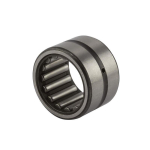
The RBC® SJ series of Pitchlign® heavy duty needle roller bearings are supplied in standard envelopes in both sealed and unsealed configurations. There are eight possible seal configurations. The seals can include double or single seal with the seal lip turned inward or outward. The seal can be mounted in the radius end of the ring or the chamfered end of the ring for optimum mounting variations.
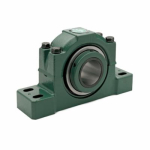
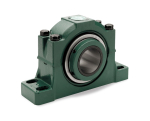
Dodge® 023407 307 Double Interlock Pillow Block Roller Bearing Unit, 3-7/16 in Dia Bore, 12.81 to 13.81 in L Bolt Center-to-Center, 4-1/2 in Base to Bore Centerline, 16 in OAL 9.42 in OAH
Dodge® 023407 307 Double Interlock Pillow Block Roller Bearing Unit, 3-7/16 in Dia Bore, 12.81 to 13.81 in L Bolt Center-to-Center, 4-1/2 in Base to Bore Centerline, 16 in OAL x 9.42 in OAH
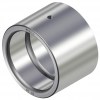
NEEDLE BEARING INNER RACES-MCGMI26>
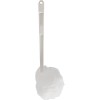
FOR THE TOUGH BOWL CLEANING JOBS. SYNTHETIC FIBER BLEND RESISTS BREAKDOWN FROM ACID CLEANERS. POLYPROPYLENE HANDLE. SYNTHETIC FIBER BLEND
-JWH641960 >
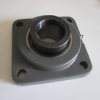
1-1/4" -ID 4-BOLT FLANGE UNIT-MBUVF4E220S >
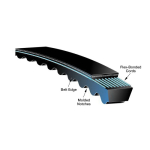

Gates BX-105 Tri-Power® Industrial V-Belts - BX Section, 21/32 in Top Width, 1 Strand, 108.0000 in Nominal Outside Length, Cogged
Most traditional v-belts struggle with small spaces and cause frequent interruptions, leading to costly downtime. Reduce these common drive issues with Tri-Power, your tried-and-true classical section replacement V-belt. The Tri-Power bandless V-belt is specifically designed to tackle the challenges associated with small sheave diameters on existing drives. Whether powering compressors, pumps, or other critical equipment, this belt ensures that your machinery runs efficiently and reliably. The advantage of this bandless V-belt lies in its ability to provide a like-for-like replacement without the need for full-system replacements. Its advanced design not only suits small sheaves but also enhances power transmission and reduces maintenance needs. Choose Gates Tri-Power V-belts for a dependable high-quality solution that keeps your existing drives running longer without interruptions.

