

Regal Rexnord

Browning® Gearbelt® 1055318 Type 2 Synchronous Timing Pulley With Flange, 5/8 to 1-1/4 in Bore, 2.477 in OD, 21 Grooves, 2.507 in Dia Pitch, 1-1/4 in W Face
Synchronous belt drives help reduce the problems of slippage, belt stretch, lubrication and metal to metal contact. They provide superior performance because power is transmitted by positive engagement of belt teeth rather than by friction, as in conventional belt drives.

Browning® Gearbelt® 1055326 Type 2 Synchronous Timing Pulley With Flange, 5/8 to 1-1/4 in Bore, 2.596 in OD, 22 Grooves, 2.626 in Dia Pitch, 1-1/4 in W Face
Synchronous belt drives help reduce the problems of slippage, belt stretch, lubrication and metal to metal contact. They provide superior performance because power is transmitted by positive engagement of belt teeth rather than by friction, as in conventional belt drives.

Browning® Gearbelt® 1055334 Type 2 Synchronous Timing Pulley With Flange, 5/8 to 1-3/8 in Bore, 2.835 in OD, 24 Grooves, 2.865 in Dia Pitch, 1-1/4 in W Face
Synchronous belt drives help reduce the problems of slippage, belt stretch, lubrication and metal to metal contact. They provide superior performance because power is transmitted by positive engagement of belt teeth rather than by friction, as in conventional belt drives.

Browning® Gearbelt® 1055359 Type 2 Synchronous Timing Pulley With Flange, 5/8 to 1-3/4 in Bore, 3.312 in OD, 28 Grooves, 3.342 in Dia Pitch, 1-1/4 in W Face
Synchronous belt drives help reduce the problems of slippage, belt stretch, lubrication and metal to metal contact. They provide superior performance because power is transmitted by positive engagement of belt teeth rather than by friction, as in conventional belt drives.

Browning® Gearbelt® 1055375 Type 2 Synchronous Timing Pulley With Flange, 5/8 to 2 in Bore, 3.79 in OD, 32 Grooves, 3.82 in Dia Pitch, 1-1/4 in W Face
Synchronous belt drives help reduce the problems of slippage, belt stretch, lubrication and metal to metal contact. They provide superior performance because power is transmitted by positive engagement of belt teeth rather than by friction, as in conventional belt drives.

Browning® Gearbelt® 1055383 Type 2 Synchronous Timing Pulley With Flange, 5/8 to 2-5/16 in Bore, 4.267 in OD, 36 Grooves, 4.297 in Dia Pitch, 1-1/4 in W Face
Synchronous belt drives help reduce the problems of slippage, belt stretch, lubrication and metal to metal contact. They provide superior performance because power is transmitted by positive engagement of belt teeth rather than by friction, as in conventional belt drives.

Browning® Gearbelt® 1055391 Type 2 Synchronous Timing Pulley With Flange, 5/8 to 2-5/16 in Bore, 4.745 in OD, 10 Grooves, 4.775 in Dia Pitch, 1-1/4 in W Face
Synchronous belt drives help reduce the problems of slippage, belt stretch, lubrication and metal to metal contact. They provide superior performance because power is transmitted by positive engagement of belt teeth rather than by friction, as in conventional belt drives.

Browning® Gearbelt® 1055409 Type 2 Synchronous Timing Pulley With Flange, 5/8 to 7/8 in Bore, 2.174 in OD, 14 Grooves, 2.228 in Dia Pitch, 1-1/4 in W Face
Synchronous belt drives help reduce the problems of slippage, belt stretch, lubrication and metal to metal contact. They provide superior performance because power is transmitted by positive engagement of belt teeth rather than by friction, as in conventional belt drives.

Browning® Gearbelt® 1055417 Type 2 Synchronous Timing Pulley With Flange, 5/8 to 1-1/8 in Bore, 2.492 in OD, 16 Grooves, 2.546 in Dia Pitch, 1-1/4 in W Face
Synchronous belt drives help reduce the problems of slippage, belt stretch, lubrication and metal to metal contact. They provide superior performance because power is transmitted by positive engagement of belt teeth rather than by friction, as in conventional belt drives.

Browning® Gearbelt® 1055433 Type 2 Synchronous Timing Pulley With Flange, 5/8 to 1-3/8 in Bore, 2.811 in OD, 18 Grooves, 2.865 in Dia Pitch, 1-1/4 in W Face
Synchronous belt drives help reduce the problems of slippage, belt stretch, lubrication and metal to metal contact. They provide superior performance because power is transmitted by positive engagement of belt teeth rather than by friction, as in conventional belt drives.

Browning® Gearbelt® 1055458 Type 2 Synchronous Timing Pulley With Flange, 5/8 to 1-5/8 in Bore, 3.129 in OD, 20 Grooves, 3.183 in Dia Pitch, 1-1/4 in W Face
Synchronous belt drives help reduce the problems of slippage, belt stretch, lubrication and metal to metal contact. They provide superior performance because power is transmitted by positive engagement of belt teeth rather than by friction, as in conventional belt drives.

Browning® Gearbelt® 1055466 Type 2 Synchronous Timing Pulley With Flange, 3/4 to 1-11/16 in Bore, 3.288 in OD, 21 Grooves, 3.342 in Dia Pitch, 1-1/4 in W Face
Synchronous belt drives help reduce the problems of slippage, belt stretch, lubrication and metal to metal contact. They provide superior performance because power is transmitted by positive engagement of belt teeth rather than by friction, as in conventional belt drives.

Browning® Gearbelt® 1055474 Type 2 Synchronous Timing Pulley With Flange, 3/4 to 1-3/4 in Bore, 3.447 in OD, 22 Grooves, 3.501 in Dia Pitch, 1-1/4 in W Face
Synchronous belt drives help reduce the problems of slippage, belt stretch, lubrication and metal to metal contact. They provide superior performance because power is transmitted by positive engagement of belt teeth rather than by friction, as in conventional belt drives.

Browning® Gearbelt® 1055482 Type 2 Synchronous Timing Pulley With Flange, 3/4 to 1-7/8 in Bore, 3.766 in OD, 24 Grooves, 3.82 in Dia Pitch, 1-1/4 in W Face
Synchronous belt drives help reduce the problems of slippage, belt stretch, lubrication and metal to metal contact. They provide superior performance because power is transmitted by positive engagement of belt teeth rather than by friction, as in conventional belt drives.

Browning® Gearbelt® 1055490 Type 2 Synchronous Timing Pulley With Flange, 3/4 to 2-1/4 in Bore, 4.084 in OD, 26 Grooves, 4.138 in Dia Pitch, 1-1/4 in W Face
Synchronous belt drives help reduce the problems of slippage, belt stretch, lubrication and metal to metal contact. They provide superior performance because power is transmitted by positive engagement of belt teeth rather than by friction, as in conventional belt drives.

Browning® Gearbelt® 1055524 Type 2 Synchronous Timing Pulley With Flange, 3/4 to 7/8 in Bore, 2.174 in OD, 14 Grooves, 2.228 in Dia Pitch, 1-3/4 in W Face
Synchronous belt drives help reduce the problems of slippage, belt stretch, lubrication and metal to metal contact. They provide superior performance because power is transmitted by positive engagement of belt teeth rather than by friction, as in conventional belt drives.

Browning® Gearbelt® 1055532 Type 2 Synchronous Timing Pulley With Flange, 3/4 to 1-1/8 in Bore, 2.492 in OD, 16 Grooves, 2.546 in Dia Pitch, 1-3/4 in W Face
Synchronous belt drives help reduce the problems of slippage, belt stretch, lubrication and metal to metal contact. They provide superior performance because power is transmitted by positive engagement of belt teeth rather than by friction, as in conventional belt drives.

Browning® Gearbelt® 1055557 Type 2 Synchronous Timing Pulley With Flange, 3/4 to 1-3/8 in Bore, 2.811 in OD, 18 Grooves, 2.865 in Dia Pitch, 1-3/4 in W Face
Synchronous belt drives help reduce the problems of slippage, belt stretch, lubrication and metal to metal contact. They provide superior performance because power is transmitted by positive engagement of belt teeth rather than by friction, as in conventional belt drives.

Browning® Gearbelt® 1055565 Type 2 Synchronous Timing Pulley With Flange, 3/4 to 1-1/2 in Bore, 2.97 in OD, 19 Grooves, 3.024 in Dia Pitch, 1-3/4 in W Face
Synchronous belt drives help reduce the problems of slippage, belt stretch, lubrication and metal to metal contact. They provide superior performance because power is transmitted by positive engagement of belt teeth rather than by friction, as in conventional belt drives.

Browning® Gearbelt® 1055573 Type 2 Synchronous Timing Pulley With Flange, 3/4 to 1-5/8 in Bore, 3.129 in OD, 20 Grooves, 3.183 in Dia Pitch, 1-3/4 in W Face
Synchronous belt drives help reduce the problems of slippage, belt stretch, lubrication and metal to metal contact. They provide superior performance because power is transmitted by positive engagement of belt teeth rather than by friction, as in conventional belt drives.

Browning® Gearbelt® 1055581 Type 2 Synchronous Timing Pulley With Flange, 3/4 to 1-11/16 in Bore, 3.288 in OD, 21 Grooves, 3.342 in Dia Pitch, 1-3/4 in W Face
Synchronous belt drives help reduce the problems of slippage, belt stretch, lubrication and metal to metal contact. They provide superior performance because power is transmitted by positive engagement of belt teeth rather than by friction, as in conventional belt drives.

Browning® Gearbelt® 1055623 Type 2 Synchronous Timing Pulley With Flange, 3/4 to 2-5/16 in Bore, 4.402 in OD, 28 Grooves, 4.456 in Dia Pitch, 1-3/4 in W Face
Synchronous belt drives help reduce the problems of slippage, belt stretch, lubrication and metal to metal contact. They provide superior performance because power is transmitted by positive engagement of belt teeth rather than by friction, as in conventional belt drives.

Browning® Gearbelt® 1055649 Type 2 Synchronous Timing Pulley With Flange, 3/4 to 7/8 in Bore, 2.174 in OD, 14 Grooves, 2.228 in Dia Pitch, 2-9/32 in W Face
Synchronous belt drives help reduce the problems of slippage, belt stretch, lubrication and metal to metal contact. They provide superior performance because power is transmitted by positive engagement of belt teeth rather than by friction, as in conventional belt drives.

Browning® Gearbelt® 1055656 Type 2 Synchronous Timing Pulley With Flange, 3/4 to 1-1/8 in Bore, 2.492 in OD, 16 Grooves, 2.546 in Dia Pitch, 2-9/32 in W Face
Synchronous belt drives help reduce the problems of slippage, belt stretch, lubrication and metal to metal contact. They provide superior performance because power is transmitted by positive engagement of belt teeth rather than by friction, as in conventional belt drives.
Recently Viewed

Browning 60:1 RAIDER WORM GEAR REDUCERS BRW 325-Q-140-LR-60
Raider® Plus worm gear reducers represent the most flexible worm gear product in the power transmission solutions portfolio. With a large variety of add-on accessories, the Raider® Plus line of worm gear reducers is a problem solver. Four unit styles form the basis of this vast product offering. These are the universal style (U style, shaft input) with an output shaft and the C-face style (Q style, input quill) with an output shaft. Both the U and Q styles are also available with hollow outputs. The Raider® Plus worm gear reducer is designed as an industry interchange. It is dimensionally interchangeable with the major industry competitors.
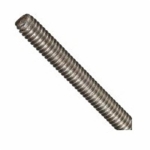
BBI 778093 All Threaded Rod, 1-8, 6 ft OAL, Steel, Plain
Replacement Tap for Klein Tools Triple Tap and Six In One Models 625-32, 627-20, 623-32 and 626
Lightweight, durable design
Multiple applications
Sold in quantity of 2
#6, #8, #10 thread spacing
Tap Sizes 10-32, 8-32, 6-32
DOUBLE SHIELDED BALL BEARING-GULR3AZZ >
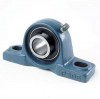
3-1/2"-ID HIGH PILLOW BLOCK UNITS-FYHUCP21856>
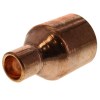
3/4" X 1/4" COPPER COUPLING W/STOP-ELK101R3/4X1/4>

