

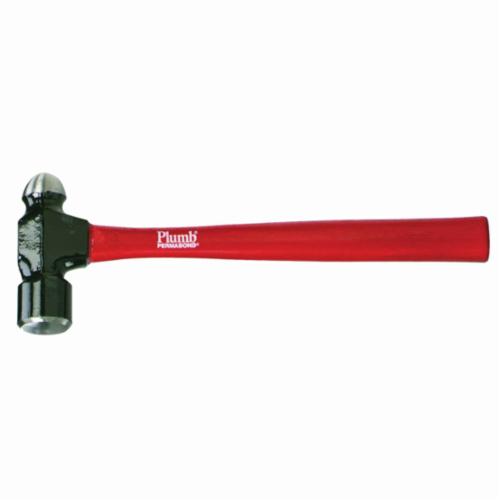
Plumb® 11522 Ball Pein Hammer, 15 in OAL, 40 oz Forged Steel Head, Hickory Wood Handle

Plumb® 11522 Ball Pein Hammer, 15 in OAL, 40 oz Forged Steel Head, Hickory Wood Handle
-
BrandPlumb®
-
UPC037103115225
-
Manufacturer Part Number11522
-
CountryUSA
-
Face TypePolished
-
Handle MaterialHickory Wood
-
Head MaterialForged Steel
-
Head Weight40 oz
-
Overall Length15 in
- Ground, black head
- Permabond® construction between head and handle
| Competitor Name | Cross-Reference Number |
|---|---|
| Berkshire eSupply | KZ5011522 |
-
UNSPSC27111616
-
Package Description6/SHELF PK
-
Standards/ApprovalsASME B173.2 and US Federal Specification GGG-H-86CB173.2
-
Catalog
Recently Viewed
Plumb® 11522 Ball Pein Hammer, 15 in OAL, 40 oz Forged Steel Head, Hickory Wood Handle
Plumb® 11522 Ball Pein Hammer, 15 in OAL, 40 oz Forged Steel Head, Hickory Wood Handle
1-TON 12'-LIFT CABLE PULLER
GENERAL® 21 Sheet Metal Gage, 0 to 36 AWG Measuring, 3-1/4 in Dia
GENERAL® 21 Sheet Metal Gage, 0 to 36 AWG Measuring, 3-1/4 in Dia
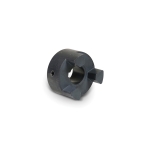
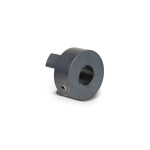
TB Wood's® L0901 Straight L-Jaw Coupling Hub, L090 Coupling, 1 in Bore, 0.81 in, 2.11 mm Hub, Sintered Carbon Steel
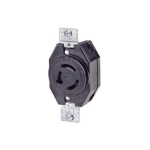
Leviton® line of extra heavy duty industrial grade locking receptacles are designed and manufactured to withstand the harsh conditions typically associated with industrial environments. Available in a wide variety of configurations, including isolated ground, tamper resistant, hospital grade and more, these industrial grade devices are the electrical contractor's choice for use in factories, schools, hospitals and commercial office buildings.
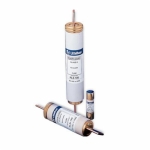
The LKN Series are fuse links designed for Littelfuse RLN series renewable fuses. Traditionally, Class H fuses were used to provide low cost protection of general purpose feeder and branch circuits where available short-circuit currents did not exceed 10,000 amperes. However, generally increased levels of available fault current and the distinct possibility that renewable fuses may be improperly renewed, rendering them unsafe, have all but eliminated the use of these fuses in new applications. In addition, escalating labour costs and increasing automation, which makes downtime very expensive, have greatly reduced or eliminated the cost savings attributed to renewable fuses.

