

O-Rings
Dichtomatik 67004475 O-Ring, 65 mm ID x 73 mm OD, Nitrile Rubber, 70 Shore A Durometer, Domestic
O-rings are closed circular rings of circular cross-section. They are made through vulcanization from form tools as a complete ring. The sealing function of the O-ring is achieved by the deformation of the cross-section when installed and compressed in its housing. The O-ring can be compressed either radially or axially in its installation housing. In operating conditions the pressure exerted by the media reinforces the sealing function, as under pressure the elastomer material functions as a non-compressible fluid.
Dichtomatik 67004452 O-Ring, 60 mm ID x 68 mm OD, Nitrile Rubber, 70 Shore A Durometer, Import
O-rings are closed circular rings of circular cross-section. They are made through vulcanization from form tools as a complete ring. The sealing function of the O-ring is achieved by the deformation of the cross-section when installed and compressed in its housing. The O-ring can be compressed either radially or axially in its installation housing. In operating conditions the pressure exerted by the media reinforces the sealing function, as under pressure the elastomer material functions as a non-compressible fluid.
Dichtomatik 67004221 O-Ring, 28 mm ID x 34 mm OD, Nitrile Rubber, 70 Shore A Durometer, Import, Custom H-3X28
O-rings are closed circular rings of circular cross-section. They are made through vulcanization from form tools as a complete ring. The sealing function of the O-ring is achieved by the deformation of the cross-section when installed and compressed in its housing. The O-ring can be compressed either radially or axially in its installation housing. In operating conditions the pressure exerted by the media reinforces the sealing function, as under pressure the elastomer material functions as a non-compressible fluid.
Dichtomatik 67004150 O-Ring, 20 mm ID x 26 mm OD, Nitrile Rubber, 70 Shore A Durometer, Import, Custom H-3X20
O-rings are closed circular rings of circular cross-section. They are made through vulcanization from form tools as a complete ring. The sealing function of the O-ring is achieved by the deformation of the cross-section when installed and compressed in its housing. The O-ring can be compressed either radially or axially in its installation housing. In operating conditions the pressure exerted by the media reinforces the sealing function, as under pressure the elastomer material functions as a non-compressible fluid.
Dichtomatik 67004048 O-Ring, 13 mm ID x 17 mm OD, Nitrile Rubber, 70 Shore A Durometer, Domestic, Custom H-2 x 13
O-rings are closed circular rings of circular cross-section. They are made through vulcanization from form tools as a complete ring. The sealing function of the O-ring is achieved by the deformation of the cross-section when installed and compressed in its housing. The O-ring can be compressed either radially or axially in its installation housing. In operating conditions the pressure exerted by the media reinforces the sealing function, as under pressure the elastomer material functions as a non-compressible fluid.
Dichtomatik 67004010 O-Ring, 10 mm ID x 14 mm OD, Nitrile Rubber, 70 Shore A Durometer, Import, Custom H-2 X10
O-rings are closed circular rings of circular cross-section. They are made through vulcanization from form tools as a complete ring. The sealing function of the O-ring is achieved by the deformation of the cross-section when installed and compressed in its housing. The O-ring can be compressed either radially or axially in its installation housing. In operating conditions the pressure exerted by the media reinforces the sealing function, as under pressure the elastomer material functions as a non-compressible fluid.
Dichtomatik 67003971 O-Ring, 8 mm ID x 12 mm OD, Nitrile Rubber, 70 Shore A Durometer, Import, Custom H-2 X 8
O-rings are closed circular rings of circular cross-section. They are made through vulcanization from form tools as a complete ring. The sealing function of the O-ring is achieved by the deformation of the cross-section when installed and compressed in its housing. The O-ring can be compressed either radially or axially in its installation housing. In operating conditions the pressure exerted by the media reinforces the sealing function, as under pressure the elastomer material functions as a non-compressible fluid.
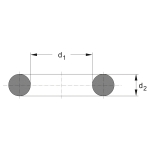
O-rings are closed circular rings of circular cross-section. They are made through vulcanization from form tools as a complete ring. The sealing function of the O-ring is achieved by the deformation of the cross-section when installed and compressed in its housing. The O-ring can be compressed either radially or axially in its installation housing. In operating conditions the pressure exerted by the media reinforces the sealing function, as under pressure the elastomer material functions as a non-compressible fluid.
Dichtomatik 67002762 O-Ring, 63 mm ID x 73 mm OD, Nitrile Rubber, 70 Shore A Durometer, Import
O-rings are closed circular rings of circular cross-section. They are made through vulcanization from form tools as a complete ring. The sealing function of the O-ring is achieved by the deformation of the cross-section when installed and compressed in its housing. The O-ring can be compressed either radially or axially in its installation housing. In operating conditions the pressure exerted by the media reinforces the sealing function, as under pressure the elastomer material functions as a non-compressible fluid.
Dichtomatik 49452669 O-Ring, 7 mm ID x 11 mm OD, Nitrile Rubber, 70 Shore A Durometer, Import, Custom H-2 X 7
O-rings are closed circular rings of circular cross-section. They are made through vulcanization from form tools as a complete ring. The sealing function of the O-ring is achieved by the deformation of the cross-section when installed and compressed in its housing. The O-ring can be compressed either radially or axially in its installation housing. In operating conditions the pressure exerted by the media reinforces the sealing function, as under pressure the elastomer material functions as a non-compressible fluid.
O-rings are endless, ring shaped sealing elements with a circular cross-section that are manufactured from elastomer materials or PTFE. The designation of an O-ring is derived from the dimensions of its inner diameter and cord width in millimeters, along with the name of the material and its Shore A hardness.
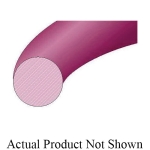
O-rings are closed circular rings of circular cross-section. They are made through vulcanization from form tools as a complete ring. The sealing function of the O-ring is achieved by the deformation of the cross-section when installed and compressed in its housing. The O-ring can be compressed either radially or axially in its installation housing. In operating conditions the pressure exerted by the media reinforces the sealing function, as under pressure the elastomer material functions as a non-compressible fluid.
O-rings are closed circular rings of circular cross-section. They are made through vulcanization from form tools as a complete ring. The sealing function of the O-ring is achieved by the deformation of the cross-section when installed and compressed in its housing. The O-ring can be compressed either radially or axially in its installation housing. In operating conditions the pressure exerted by the media reinforces the sealing function, as under pressure the elastomer material functions as a non-compressible fluid.
Recently Viewed
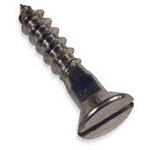
#10 X 1-3/4" Flat Head Slotted Wood Screw
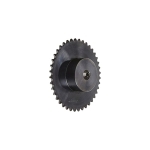
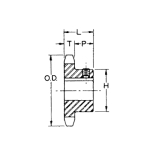
Browning 32-TOOTH #40-1 CHAIN SPROCKETS BRW 4032 X 1.3/16
Browning® finished bore sprockets are offered in single strands. Offerings include 35 to 100 pitch range. Finished bore sprockets are available from 3/8 to 2-7/16 in. Hardened teeth are available up to 30 teeth.


The D1232-2 aluminum 32 ft extension ladder has a duty rating of 225 pounds and interlocking side rails. The TRACTION-TRED® D-rungs are slip resistant. Spring loaded locks operate smoothly for easy operation. Shoes rest flat or are held in spur position with SHU-LOK® feature. Mar resistant end caps help protect the surface ladder is leaning against. Exclusive ALFLO® rung joint means TWIST-PROOF® performance every time.

Proto® TorquePlus™ J7319M Deep Length Socket, Metric, 1/2 in Square Drive, 19 mm
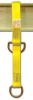
48" DOUBLE D-RING TIE-OFF STRAPS-FRE1348>
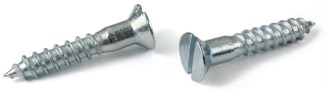
#12 X 1-3/4" Flat Head Slotted Wood Screw

