

Timing Pulleys

Browning® Gearbelt® 1054907 Type 2 Synchronous Timing Pulley With Flange, 1/4 to 9/16 in Bore, 1.253 in OD, 20 Grooves, 1.273 in Dia Pitch, 9/16 in W Face
Synchronous belt drives help reduce the problems of slippage, belt stretch, lubrication and metal to metal contact. They provide superior performance because power is transmitted by positive engagement of belt teeth rather than by friction, as in conventional belt drives.

Browning® Gearbelt® 1054915 Type 2 Synchronous Timing Pulley With Flange, 1/4 to 9/16 in Bore, 1.317 in OD, 21 Grooves, 1.337 in Dia Pitch, 9/16 in W Face
Synchronous belt drives help reduce the problems of slippage, belt stretch, lubrication and metal to metal contact. They provide superior performance because power is transmitted by positive engagement of belt teeth rather than by friction, as in conventional belt drives.

Browning® Gearbelt® 1054923 Type 2 Synchronous Timing Pulley With Flange, 1/4 to 5/8 in Bore, 1.381 in OD, 22 Grooves, 1.401 in Dia Pitch, 9/16 in W Face
Synchronous belt drives help reduce the problems of slippage, belt stretch, lubrication and metal to metal contact. They provide superior performance because power is transmitted by positive engagement of belt teeth rather than by friction, as in conventional belt drives.

Browning® Gearbelt® 1054931 Type 2 Synchronous Timing Pulley With Flange, 1/4 to 11/16 in Bore, 1.508 in OD, 24 Grooves, 1.528 in Dia Pitch, 9/16 in W Face
Synchronous belt drives help reduce the problems of slippage, belt stretch, lubrication and metal to metal contact. They provide superior performance because power is transmitted by positive engagement of belt teeth rather than by friction, as in conventional belt drives.

Browning® Gearbelt® 1054949 Type 2 Synchronous Timing Pulley With Flange, 1/4 to 13/16 in Bore, 1.763 in OD, 28 Grooves, 1.783 in Dia Pitch, 9/16 in W Face
Synchronous belt drives help reduce the problems of slippage, belt stretch, lubrication and metal to metal contact. They provide superior performance because power is transmitted by positive engagement of belt teeth rather than by friction, as in conventional belt drives.

Browning® Gearbelt® 1054956 Type 2 Synchronous Timing Pulley With Flange, 1/4 to 15/16 in Bore, 1.89 in OD, 30 Grooves, 1.91 in Dia Pitch, 9/16 in W Face
Synchronous belt drives help reduce the problems of slippage, belt stretch, lubrication and metal to metal contact. They provide superior performance because power is transmitted by positive engagement of belt teeth rather than by friction, as in conventional belt drives.

Browning® Gearbelt® 1054964 Type 2A Synchronous Timing Pulley Without Flange, 5/16 to 1 in Bore, 2.017 in OD, 32 Grooves, 2.037 in Dia Pitch, 9/16 in W Face
Synchronous belt drives help reduce the problems of slippage, belt stretch, lubrication and metal to metal contact. They provide superior performance because power is transmitted by positive engagement of belt teeth rather than by friction, as in conventional belt drives.

Browning® Gearbelt® 1054972 Type 2A Synchronous Timing Pulley Without Flange, 5/16 to 1 in Bore, 2.272 in OD, 36 Grooves, 2.292 in Dia Pitch, 9/16 in W Face
Synchronous belt drives help reduce the problems of slippage, belt stretch, lubrication and metal to metal contact. They provide superior performance because power is transmitted by positive engagement of belt teeth rather than by friction, as in conventional belt drives.

Browning® Gearbelt® 1054980 Type 2A Synchronous Timing Pulley Without Flange, 5/16 to 1 in Bore, 2.526 in OD, 40 Grooves, 2.546 in Dia Pitch, 9/16 in W Face
Synchronous belt drives help reduce the problems of slippage, belt stretch, lubrication and metal to metal contact. They provide superior performance because power is transmitted by positive engagement of belt teeth rather than by friction, as in conventional belt drives.

Browning® Gearbelt® 1054998 Type 2A Synchronous Timing Pulley Without Flange, 5/16 to 1 in Bore, 2.654 in OD, 42 Grooves, 2.674 in Dia Pitch, 9/16 in W Face
Synchronous belt drives help reduce the problems of slippage, belt stretch, lubrication and metal to metal contact. They provide superior performance because power is transmitted by positive engagement of belt teeth rather than by friction, as in conventional belt drives.

Browning® Gearbelt® 1055029 Type 2A Synchronous Timing Pulley Without Flange, 3/8 to 1 in Bore, 3.8 in OD, 60 Grooves, 3.82 in Dia Pitch, 9/16 in W Face
Synchronous belt drives help reduce the problems of slippage, belt stretch, lubrication and metal to metal contact. They provide superior performance because power is transmitted by positive engagement of belt teeth rather than by friction, as in conventional belt drives.

Browning® Gearbelt® 1055045 Type 2 Synchronous Timing Pulley With Flange, 1/2 to 7/8 in Bore, 2.119 in OD, 18 Grooves, 2.149 in Dia Pitch, 3/4 in W Face
Synchronous belt drives help reduce the problems of slippage, belt stretch, lubrication and metal to metal contact. They provide superior performance because power is transmitted by positive engagement of belt teeth rather than by friction, as in conventional belt drives.

Browning® Gearbelt® 1055052 Type 2 Synchronous Timing Pulley With Flange, 1/2 to 7/8 in Bore, 2.238 in OD, 19 Grooves, 2.268 in Dia Pitch, 3/4 in W Face
Synchronous belt drives help reduce the problems of slippage, belt stretch, lubrication and metal to metal contact. They provide superior performance because power is transmitted by positive engagement of belt teeth rather than by friction, as in conventional belt drives.

Browning® Gearbelt® 1055078 Type 2 Synchronous Timing Pulley With Flange, 1/2 to 1-1/4 in Bore, 2.477 in OD, 21 Grooves, 2.507 in Dia Pitch, 3/4 in W Face
Synchronous belt drives help reduce the problems of slippage, belt stretch, lubrication and metal to metal contact. They provide superior performance because power is transmitted by positive engagement of belt teeth rather than by friction, as in conventional belt drives.

Browning® Gearbelt® 1055094 Type 2 Synchronous Timing Pulley With Flange, 1/2 to 1-3/8 in Bore, 2.835 in OD, 24 Grooves, 2.865 in Dia Pitch, 3/4 in W Face
Synchronous belt drives help reduce the problems of slippage, belt stretch, lubrication and metal to metal contact. They provide superior performance because power is transmitted by positive engagement of belt teeth rather than by friction, as in conventional belt drives.

Browning® Gearbelt® 1055102 Type 2 Synchronous Timing Pulley With Flange, 1/2 to 1-3/8 in Bore, 3.074 in OD, 26 Grooves, 3.104 in Dia Pitch, 3/4 in W Face
Synchronous belt drives help reduce the problems of slippage, belt stretch, lubrication and metal to metal contact. They provide superior performance because power is transmitted by positive engagement of belt teeth rather than by friction, as in conventional belt drives.

Browning® Gearbelt® 1055110 Type 2 Synchronous Timing Pulley With Flange, 1/2 to 1-3/8 in Bore, 3.312 in OD, 28 Grooves, 3.342 in Dia Pitch, 3/4 in W Face
Synchronous belt drives help reduce the problems of slippage, belt stretch, lubrication and metal to metal contact. They provide superior performance because power is transmitted by positive engagement of belt teeth rather than by friction, as in conventional belt drives.

Browning® Gearbelt® 1055136 Type 2 Synchronous Timing Pulley With Flange, 1/2 to 1-5/8 in Bore, 3.79 in OD, 32 Grooves, 3.82 in Dia Pitch, 3/4 in W Face
Synchronous belt drives help reduce the problems of slippage, belt stretch, lubrication and metal to metal contact. They provide superior performance because power is transmitted by positive engagement of belt teeth rather than by friction, as in conventional belt drives.

Browning® Gearbelt® 1055144 Type 2 Synchronous Timing Pulley With Flange, 1/2 to 2-5/16 in Bore, 4.267 in OD, 36 Grooves, 4.297 in Dia Pitch, 3/4 in W Face
Synchronous belt drives help reduce the problems of slippage, belt stretch, lubrication and metal to metal contact. They provide superior performance because power is transmitted by positive engagement of belt teeth rather than by friction, as in conventional belt drives.

Browning® Gearbelt® 1055151 Type 2 Synchronous Timing Pulley With Flange, 1/2 to 2-3/8 in Bore, 4.745 in OD, 40 Grooves, 4.775 in Dia Pitch, 3/4 in W Face
Synchronous belt drives help reduce the problems of slippage, belt stretch, lubrication and metal to metal contact. They provide superior performance because power is transmitted by positive engagement of belt teeth rather than by friction, as in conventional belt drives.

Browning® Gearbelt® 1055169 Type 2 Synchronous Timing Pulley With Flange, 5/8 to 7/8 in Bore, 2.119 in OD, 18 Grooves, 2.149 in Dia Pitch, 1 in W Face
Synchronous belt drives help reduce the problems of slippage, belt stretch, lubrication and metal to metal contact. They provide superior performance because power is transmitted by positive engagement of belt teeth rather than by friction, as in conventional belt drives.

Browning® Gearbelt® 1055177 Type 2 Synchronous Timing Pulley With Flange, 5/8 to 7/8 in Bore, 2.238 in OD, 19 Grooves, 2.268 in Dia Pitch, 1 in W Face
Synchronous belt drives help reduce the problems of slippage, belt stretch, lubrication and metal to metal contact. They provide superior performance because power is transmitted by positive engagement of belt teeth rather than by friction, as in conventional belt drives.

Browning® Gearbelt® 1055185 Type 2 Synchronous Timing Pulley With Flange, 5/8 to 7/8 in Bore, 2.357 in OD, 20 Grooves, 2.387 in Dia Pitch, 1 in W Face
Synchronous belt drives help reduce the problems of slippage, belt stretch, lubrication and metal to metal contact. They provide superior performance because power is transmitted by positive engagement of belt teeth rather than by friction, as in conventional belt drives.

Browning® Gearbelt® 1055219 Type 2 Synchronous Timing Pulley With Flange, 5/8 to 1-3/8 in Bore, 2.835 in OD, 24 Grooves, 2.865 in Dia Pitch, 1 in W Face
Synchronous belt drives help reduce the problems of slippage, belt stretch, lubrication and metal to metal contact. They provide superior performance because power is transmitted by positive engagement of belt teeth rather than by friction, as in conventional belt drives.
Recently Viewed

H-PITCHX125" DOUBLE TIMING BELT-JASD1250H200 >

2-3/4"-ID NEEDLE BEARING-INANCS4424>
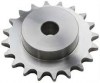
21-TOOTH #60-1 CHAIN SPROCKETS IDC 60-B-21-F-1-1/2
21 TOOTH SPROCKETS FOR #60 CHAIN
NOTCHED GRIP V-BELT OUTSIDE CIRCUMFERENCE >89"-JASBX86 >

NORMAL DUTY 1-1/4" -ID CAST IRON WIDE SLOT TAKE-UP BEARING-BRWVTWS220 >
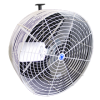
36" VERSA-KOOL CIRCULATION FAN-SCFVS36VK>

