

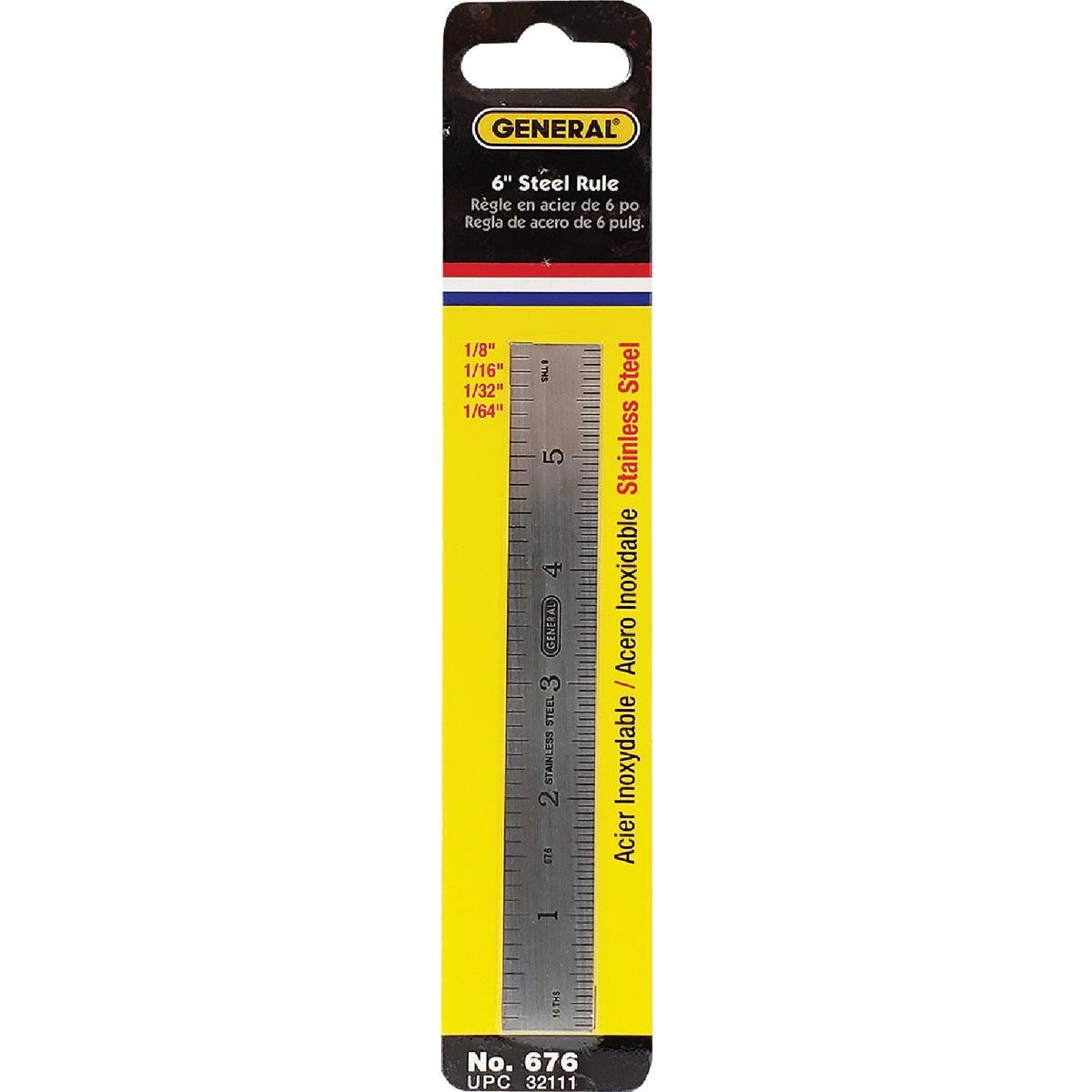
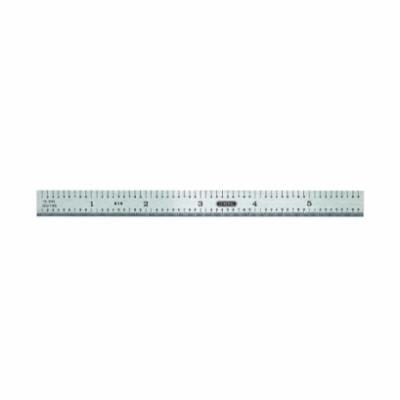

GENERAL® 676 Industrial Rigid Precision Rule, Imperial Measuring System, Graduations 4R - Every 8th, 16th, 32nd and 64th of an Inch, 6 in L, Stainless Steel

GENERAL® 676 Industrial Rigid Precision Rule, Imperial Measuring System, Graduations 4R - Every 8th, 16th, 32nd and 64th of an Inch, 6 in L, Stainless Steel
-
BrandGENERAL®
-
UPC038728321114
-
Manufacturer Part Number676
-
CountryCanada
-
MarkingsBlack
-
MaterialStainless Steel
-
Measuring SystemImperial
-
TypeIndustrial Rigid
-
Graduations4R - Every 8th, 16th, 32nd and 64th of an Inch
-
Width3/4 in
-
Length6 in
- Ultra fine black etched graduations
- Polished finish
| Cross-Reference Number |
|---|
| 355056 |
-
Alternative Part Number32111
-
UNSPSC41111604
-
Catalog
Recently Viewed
GENERAL® 676 Industrial Rigid Precision Rule, Imperial Measuring System, Graduations 4R - Every 8th, 16th, 32nd and 64th of an Inch, 6 in L, Stainless Steel
GENERAL® 676 Industrial Rigid Precision Rule, Imperial Measuring System, Graduations 4R - Every 8th, 16th, 32nd and 64th of an Inch, 6 in L, Stainless Steel
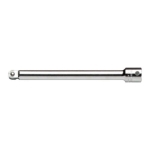
Proto® J4759W Wobble Socket Extension, 1/4 in Drive, 2 in OAL

CLC® V230 Swivel Cap Style, Plastic Cap, Elastic Strap, 2 Straps, Black/White
CLC® V230 Swivel Cap Style, Plastic Cap, Elastic Strap, 2 Straps, Black/White

HYDRAULIC FILTER
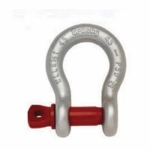
Crosby® 1018473 G-209-5/8, Anchor Shackle, 3.25 ton Load, 5/8 in, 3/4 in Dia Pin Screw Pin, Hot Dipped Galvanized
Crosby® 1018473 G-209 Anchor Shackle, 3.25 ton Load, 5/8 in, 3/4 in Dia Pin Screw Pin, Hot Dipped Galvanized
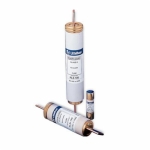
The LKN Series are fuse links designed for Littelfuse RLN series renewable fuses. Traditionally, Class H fuses were used to provide low cost protection of general purpose feeder and branch circuits where available short-circuit currents did not exceed 10,000 amperes. However, generally increased levels of available fault current and the distinct possibility that renewable fuses may be improperly renewed, rendering them unsafe, have all but eliminated the use of these fuses in new applications. In addition, escalating labour costs and increasing automation, which makes downtime very expensive, have greatly reduced or eliminated the cost savings attributed to renewable fuses.

