

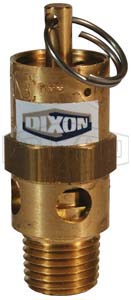
SV175 DIXON PRODUCTS
175-PSI POP-OFF SAFETY VALVE-DXNSV175 >
Recently Viewed
175-PSI POP-OFF SAFETY VALVE-DXNSV175 >

Browning® Classical Gripbelt® 1002385 TB Series Arm Type 16 Single Groove Sheave, Split Taper Bore, 1/2 to 1-3/4 in Dia Bore, 8.35 in OD, 7.8 in (A)/8.3 in (B) Dia Pitch, 1 in W Face
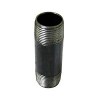
3/4 X 1-1/2-BN, 3/4"-mpt X 1-1/2" Black Nipple
3/4"-MPT X 1-1/2" BLACK NIPPLES-JPW3/4X11/2BN>

Lasco® Fittings, Inc's an Aalberts Industries company, specializes in the production and sale of injection molded fittings for Irrigation, Plumbing, Industrial, Pool/Spa and Retail markets. Lasco® Fittings, Inc. operates a 26-acre manufacturing facility in Brownsville, TN. With eight Regional Distribution Facilities strategically located within the United States, Lasco® provides worldwide distribution and overnight service.

Browning® Gearbelt® 1054865 Type 2 Synchronous Timing Pulley With Flange, 1/4 to 1/4 in Bore, 0.871 in OD, 14 Grooves, 0.891 in Dia Pitch, 9/16 in W Face
Synchronous belt drives help reduce the problems of slippage, belt stretch, lubrication and metal to metal contact. They provide superior performance because power is transmitted by positive engagement of belt teeth rather than by friction, as in conventional belt drives.


Atkore International 4025010 Rigid Non-Metallic Schedule 40 Electrical Conduit, 2-1/2 in Belled End Trade, 2.414 in Dia Inside x 2.875 in Dia Outside, 10 ft L, PVC
Atkore provides the full range of PVC electrical conduit in diameters 1/2" through 8".

