


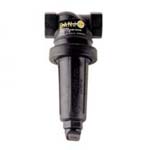
BANJO LST-075-50 POLYPROPYLENE MINI T-STRAINER WITH BLACK BOWL, 3/4" 50-MESH T-STRAINERS
3/4" X 3/4" TEE STRAINER WITH 50 MESH STAINLESS STEEL SCREENS-BAJLST07550 >
Recently Viewed
BANJO LST-075-50 POLYPROPYLENE MINI T-STRAINER WITH BLACK BOWL, 3/4" 50-MESH T-STRAINERS
3/4" X 3/4" TEE STRAINER WITH 50 MESH STAINLESS STEEL SCREENS-BAJLST07550 >
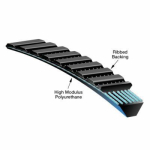
Gates® Power Transmission Polyflex® 5M690 Light Duty V-Belt, 5M Section, 3/16 in W Top, 27.17 in L Outside, 1/8 in THK, High Modulus Polyurethane
Developed by Gates and produced to patented manufacturing processes, these belts provide more load-carrying capacity at higher speeds to small multiple V-belt precision drives. This results in significant cost savings and improved design freedom.
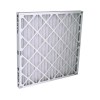
24" X 24" X 2" PLEATED AIR FILTER-AAF170102863>
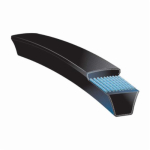
Gates® Power Transmission Super HC® 3V1120 Banded Heavy Duty V-Belt, 3V Section, 3/8 in W Top, 112 in L Outside, 21/64 in THK, Chloroprene
Combines the strength of a wrapped belt construction with the economies of a narrow section V-belt. Transmits more power in a given space and allows more compact drive design than classical section V-belts. In short, it offers you more power and considerably reduces the space needed. This significantly cuts the overall drive cost. Super HC™ V-belts also have exclusive Gates construction features for longer life on your drives.
Gates® Power Transmission Polyflex® 5M775 Light Duty V-Belt, 5M Section, 3/16 in W Top, 30.51 in L Outside, 1/8 in THK, High Modulus Polyurethane
Developed by Gates and produced to patented manufacturing processes, these belts provide more load-carrying capacity at higher speeds to small multiple V-belt precision drives. This results in significant cost savings and improved design freedom.

Browning® Gearbelt® 1054915 Type 2 Synchronous Timing Pulley With Flange, 1/4 to 9/16 in Bore, 1.317 in OD, 21 Grooves, 1.337 in Dia Pitch, 9/16 in W Face
Synchronous belt drives help reduce the problems of slippage, belt stretch, lubrication and metal to metal contact. They provide superior performance because power is transmitted by positive engagement of belt teeth rather than by friction, as in conventional belt drives.

