

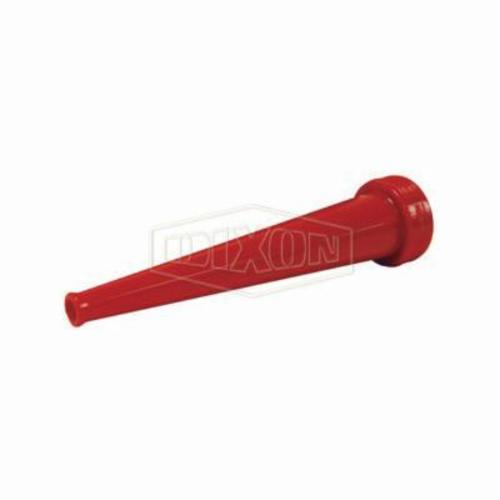
Dixon® PN15 Plain Nozzle, 1-1/2 in Inlet, Polycarbonate Body, For Use With Hose

Dixon® PN15 Plain Nozzle, 1-1/2 in Inlet, Polycarbonate Body, For Use With Hose
-
BrandDixon®
-
UPC089109719495
-
Manufacturer Part NumberPN15
-
CountryUSA
-
Thread TypeFNPSH
-
Maximum Pressure100 psi
-
Inlet Size1-1/2 in
-
Dimensions2-1/4 in Dia x 10 in L
-
Body MaterialPolycarbonate
-
Suitable For Use WithHose
- Red polycarbonate construction
-
UNSPSC46191603
-
Package Description10/BX
-
Standards/ApprovalsPROP65: Cancer and Reproductive Harm- www.P65Warnings.ca.gov
-
WarrantyLimited
-
Catalog
Recently Viewed
Dixon® PN15 Plain Nozzle, 1-1/2 in Inlet, Polycarbonate Body, For Use With Hose
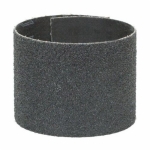
ARC™ 73171 Handy Coated Shop Roll, 50 yd L x 2 in W, 240 Grit, Aluminum Oxide Abrasive, Cotton Backing
Our rolls are made with a high quality, flexible abrasive cloth offering versatility and great price to performance ratio.
16-OZ RAYON LAYFLAT SCREWTOP MOPS-WLN50416 >
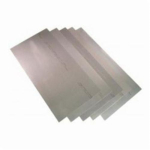
Steel shim is made from a full hard, cold rolled, low carbon 1008-1010 steel. Precision Brand® is the only manufacturer to offer Branded® shim. It has everything the user needs to know clearly marked right on the shim: material type, material thickness and lot # for full traceability. Used in applications where hardness, flatness and accuracy are required. Material can be punched or sheared with minimum burring and distortion. Precision Brand® shim stock is widely used in the following applications: tool and die set up, alignment, new machine assembly, machine repair and maintenance; mounting of motors, pumps and other machines, short run and prototype work, along with a variety of other industrial uses. It is especially useful for pilot production runs where material accuracy and economy are important. All Precision Brand® shim products are manufactured under rigorous quality control standards to assure high accuracy and tight tolerances.
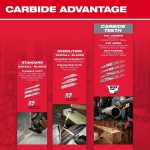

Milwaukee® SAWZALL® 48-01-6184 Double Duty Straight Back Thin Kerf Reciprocating Saw Blade, 6 in L x 3/4 in W, 18 TPI, Bi-Metal Body, Universal/Toothed Edge Tang
Thin Kerf metal-cutting blades with the Double Duty Upgrade™ feature a tooth form that is optimized for the longest life and increased speed. Tough Neck™ is engineered to protect against tang breakage and delivers the strongest SAWZALL® blade tang on the market. Maintaining a short profile and thin body, these blades are ideal for making fast, flexible cuts.

Browning® 1229129 Minimum Plain Bore Straight Tooth Miter Gear, 12 Diametral Pitch, 20 deg Pressure Angle, 15 Teeth, 1-1/4 in Dia Pitch, 0.27 in W Face, 3/8 to 1/2 in Dia Bore, Unhardened Steel
Browning® offers a comprehensive line of off the shelf gears, including spur, miter and bevel as well as change gears. These are available in 20 deg pressure angle from 20 to 4 diametral pitch and 14.5 deg pressure angle from 48 to 3 diametral pitch. They are all designed to increase output, reduce costs and avoid the need for custom specials.

