

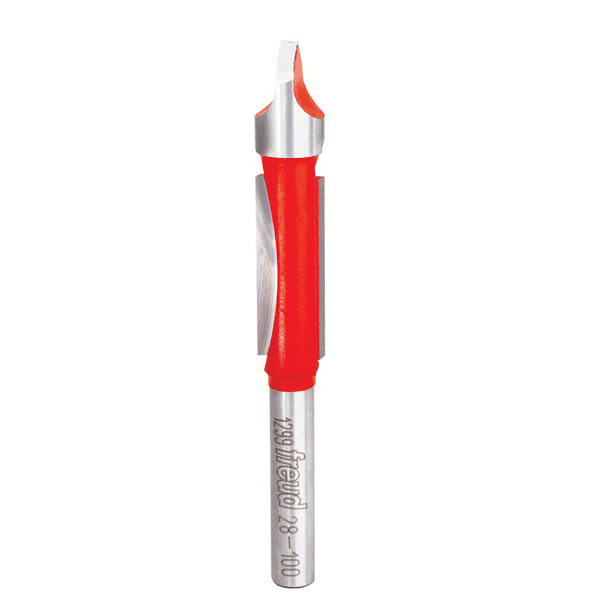
Freud® 28-100 Panel Pilot Router Bit, 3/8 in Dia Cutting, 3 in OAL, 1 in D Cutting, 1/4 in Dia Shank, Carbide

Freud® panel pilot bits will outlast high-speed steel bits many times before sharpening. The drill through point allows self-starting and the pilot acts as a guide for template work.
-
BrandFreud®
-
UPC008925380566
-
Manufacturer Part Number28-100
-
CountryUSA
-
FinishRed Non-Stick Perma-SHIELD™ Coated
-
MaterialCarbide
-
Flute Length1 in
-
TypePanel Pilot
-
Shank Diameter1/4 in
-
Number of Flutes2
-
Shank Length1-1/4 in
-
Cutting Depth1 in
-
Cutting Diameter3/8 in
-
Overall Length3 in
- Freud® panel pilot bits will outlast high speed steel bits many times before sharpening
- The drill through point allows self-starting and the pilot acts as a guide for template work
- Cuts all composite materials, plywood's, hardwoods and softwoods
- Use on portable routers for template work
| Competitor Name | Cross-Reference Number |
|---|---|
| Grainger | 53DJ09 |
| 348706 |
-
UNSPSC27112821
-
Catalog
Recently Viewed
Freud® 28-100 Panel Pilot Router Bit, 3/8 in Dia Cutting, 3 in OAL, 1 in D Cutting, 1/4 in Dia Shank, Carbide
Freud® panel pilot bits will outlast high-speed steel bits many times before sharpening. The drill through point allows self-starting and the pilot acts as a guide for template work.

Browning® 767545 VTWE Non-Expansion Normal Duty Take-Up Ball Bearing Unit With Seal Flinger, 2-3/16 in Dia Bore, 6-27/32 in L x 2-1/2 in W x 5-3/4 in H, 9752 lb Dynamic/6601 lb Static Load
Browning® mounted ball bearings feature multiple housing styles, materials and configurations, an extended inner race insert bearing with ball riding nylon retainer. The insert features a rivet to prevent outer ring rotation and is available with setscrew, eccentric or BOA concentric locking collar. The contact seal with black oxide treated flinger provides a good balance between contaminant resistance, grease loss and friction.
2-1/2" ANGLE HOOKS (SOLD AS EACH)-NTL180315 >
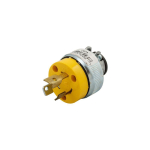
Industrial grade locking devices are designed for quick and easy installation and provide reliable performance in tough industrial environments.
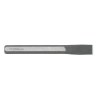
1" X 7/8" X 8" COLD CHISEL
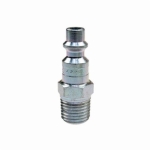
Coilhose® 1501 Coilflow Manual Industrial Type 15 Manual Industrial Hose Connector, 1/4 in Nominal, Quick Connect Coupler x MNPT, 300 psi Pressure, Brass, Domestic
Coilhose® 1501 Coilflow Manual Industrial Type 15 Manual Industrial Hose Connector, 1/4 in Nominal, Quick Connect Coupler x MNPT, 300 psi Pressure, Brass, Domestic

