

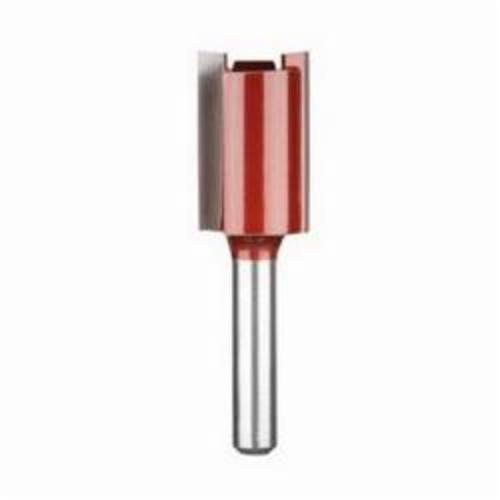
Porter-Cable 3/4" STRAIGHT CT ROUTER BIT POR 43336

Porter-Cable® 43336 Router Bit, 3/4 in Dia Cutting, 1/4 in Dia Shank, Carbide
-
BrandPorter-Cable®
-
UPC039404104687
-
Manufacturer Part Number43336
-
CountryUSA
-
MaterialCarbide
-
Shank Diameter1/4 in
-
Number of Flutes2
-
Cutting Diameter3/4 in
-
Shank TypeStraight
-
UNSPSC27112821
Recently Viewed
Porter-Cable® 43336 Router Bit, 3/4 in Dia Cutting, 1/4 in Dia Shank, Carbide
GEARWRENCH® 80706 Mechanics Tool Set, 1/2 in Drive, Teardrop Head, 15 Pieces, Polished Chrome
GEARWRENCH mechanics tools have all been designed with the professional user in mind to increase productivity, access, and strength. The 90 tooth ratchets and sockets are made from premium alloy steel and feature a full polish chrome finish that resists rust and corrosion. Large, hard-stamped markings allow for easy identification and can be easily recognized as SAE (double line) or metric (knurled line). Additionally, the off-corner loading design puts force on the flats of fasteners for improved durability and reduced fastener rounding.
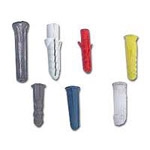
#14-#16 X 1-3/8" Plastic Anchor
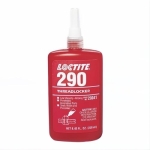
LOCTITE® 290 is a liquid medium/high-strength thread locker designed for the locking and sealing of threaded fasteners. Because of its low viscosity and capillary action, the product wicks between engaged threads and eliminates the need for disassembly prior to application. The product cures when confined in the absence of air between close-fitting metal surfaces and prevents loosening and leakage due to shock and vibration. The product can also fill porosities in welds, castings and powdered metal parts.
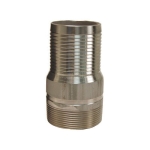
Dixon® RST30 King™ Combination Nipple, 2-1/2 in Nominal, Hose x MNPT End Style, 316 Stainless Steel, Domestic
Dixon® RST30 King™ Combination Nipple, 2-1/2 in Nominal, Hose x MNPT End Style, 316 Stainless Steel, Domestic


7/8" CRUTCH TIPS WITH WASHERS-LOU999925A>

