

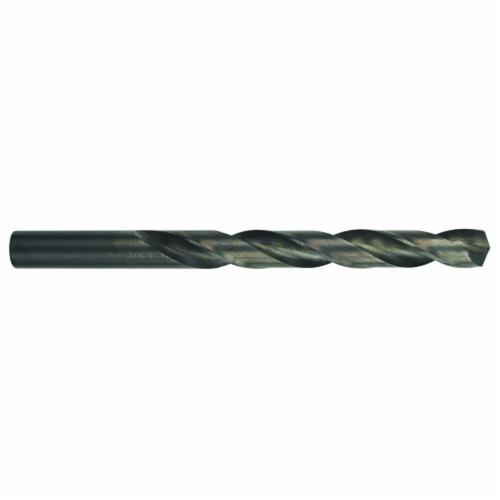
MORSE C/Tool 1.50-MM JOBBERS LENGTH DRILLBITS MCT 13024

MORSE® 13024 1333 General Purpose Jobber Length Drill Bit, 1.5 mm Drill - Metric, 0.0591 in Drill - Decimal Inch, 118 deg Point, HSS, Black Oxide
-
BrandMORSE®
-
UPC686125130244
-
Manufacturer Part Number13024
-
CountryUSA
-
FinishBlack Oxide
-
Point Angle118 deg
-
Point TypeStandard
-
MaterialHSS
-
Through Coolant (Yes/No)No
-
Flute Length18 mm
-
Flute TypeStandard
-
TypeGeneral Purpose
-
Applicable MaterialsAluminum and Non-Ferrous Metals
-
Series1333
-
Number of Flutes2
-
Cutting Depth18 mm
-
Shank Size1.5 mm
-
Cutting DirectionRight Hand
-
Cutting Edge MaterialHSS
-
Shank TypeStraight
-
Drill Diameter Measurement SystemMetric/Imperial
-
Drill Size - Decimal Inch0.0591 in
-
Drill Size - Metric1.5 mm
-
Overall Length40 mm
- Black oxide surface treatment increases wear resistance, reduces galling and chip welding, improves chip flow and increases drill lubricant retention
| Competitor Name | Cross-Reference Number |
|---|---|
| Berkshire eSupply | MT5613024 |
-
UNSPSC23241606
-
Package Description1/PK
-
Standards/ApprovalsNSF Listed
Recently Viewed
MORSE® 13024 1333 General Purpose Jobber Length Drill Bit, 1.5 mm Drill - Metric, 0.0591 in Drill - Decimal Inch, 118 deg Point, HSS, Black Oxide
1/4" X 1-1/2" Thread Cutting Screw

Littelfuse® POWR-GARD® LLSRK350ID Current Limiting Time Delay Fuse, 350 A, 600 V AC/300 V DC, 200/20 kA Interrupt, RK1 Class, Cartridge Body
The all new LLSRK_ID series fuse is the most advanced Class RK1 fuse available today providing unparalleled performance and protection to modern circuits. The patented Indicator™ technology provides instant identification of a blown fuse greatly enhancing system up time, while the precision formed short circuit elements virtually eliminate damage to components from unexpected electrical faults. In addition, the all new solid state overload section has no moving parts, stopping unnecessary fatigue failures commonly found in other spring loaded fuses.

84 TOOTH SPROCKETS FOR #40 CHAIN-BRW40SK84 >
1-1/4"-ID NEEDLE BEARING-IKOBHA2016>
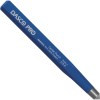
5/16" X 4-1/2" STEEL CENTER PUNCH-JWH340269 >

