

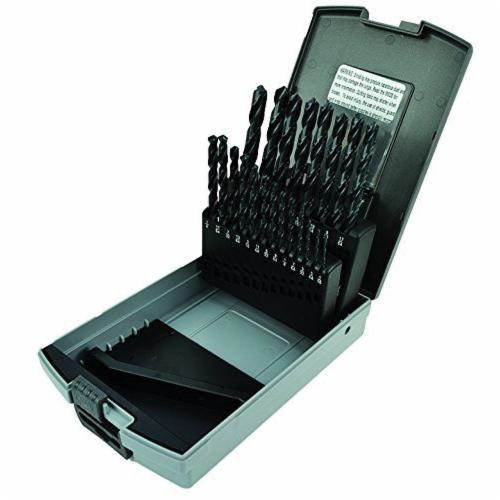
MORSE C/Tool 13-PC HSS METRIC JOBBERS DRILL SET MCT 18108

MORSE® 18108 8030 General Purpose Jobber Length Drill Set, 1 mm Min Drill Bit, 7 mm Max Drill Bit, 118 deg Drill Point Angle, 13 Pieces, HSS, Black Oxide
-
BrandMORSE®
-
UPC686125181086
-
Manufacturer Part Number18108
-
CountryUSA
-
FinishBlack Oxide
-
MaterialHSS
-
Maximum Drill Bit Size7 mm
-
Minimum Drill Bit Size1 mm
-
TypeGeneral Purpose
-
Series8030
-
Number of Pieces13
-
SpecificationsStandard Flute, Standard Point, Straight Shank
-
Drill Point Angle118 deg
-
System of MeasurementMetric
-
UNSPSC27112845
-
Package Description1/PK
-
Standards/ApprovalsISO 9001:2008
-
Catalog
Recently Viewed
MORSE® 18108 8030 General Purpose Jobber Length Drill Set, 1 mm Min Drill Bit, 7 mm Max Drill Bit, 118 deg Drill Point Angle, 13 Pieces, HSS, Black Oxide
56" INDUSTRIAL WHITE CEILING FAN-JWH517667>
20" COMMERCIAL HEAVY-DUTY FAN-JWH529141 >
3/8" HOLLOW STEEL PUNCH-GNL1280J >
BROWN 36" VINYL DOOR BOTTOMS-JWH268267 >
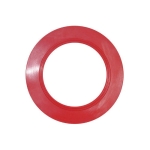
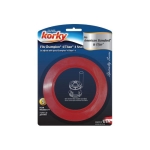
Korky® 450BP Universal Toilet Flush Valve Seal, For Use With 2004/2034/4266/4272/4077/4281 Champion® 4, 4215 Champion® 4 Max, 4225 Champion® Pro American Standard®, 4272 Titan® Eljer®, Rubber, Domestic
Korky® 450BP Universal Toilet Flush Valve Seal, For Use With 2004/2034/4266/4272/4077/4281 Champion® 4, 4215 Champion® 4 Max, 4225 Champion® Pro American Standard®, 4272 Titan® Eljer®, Rubber, Domestic

