

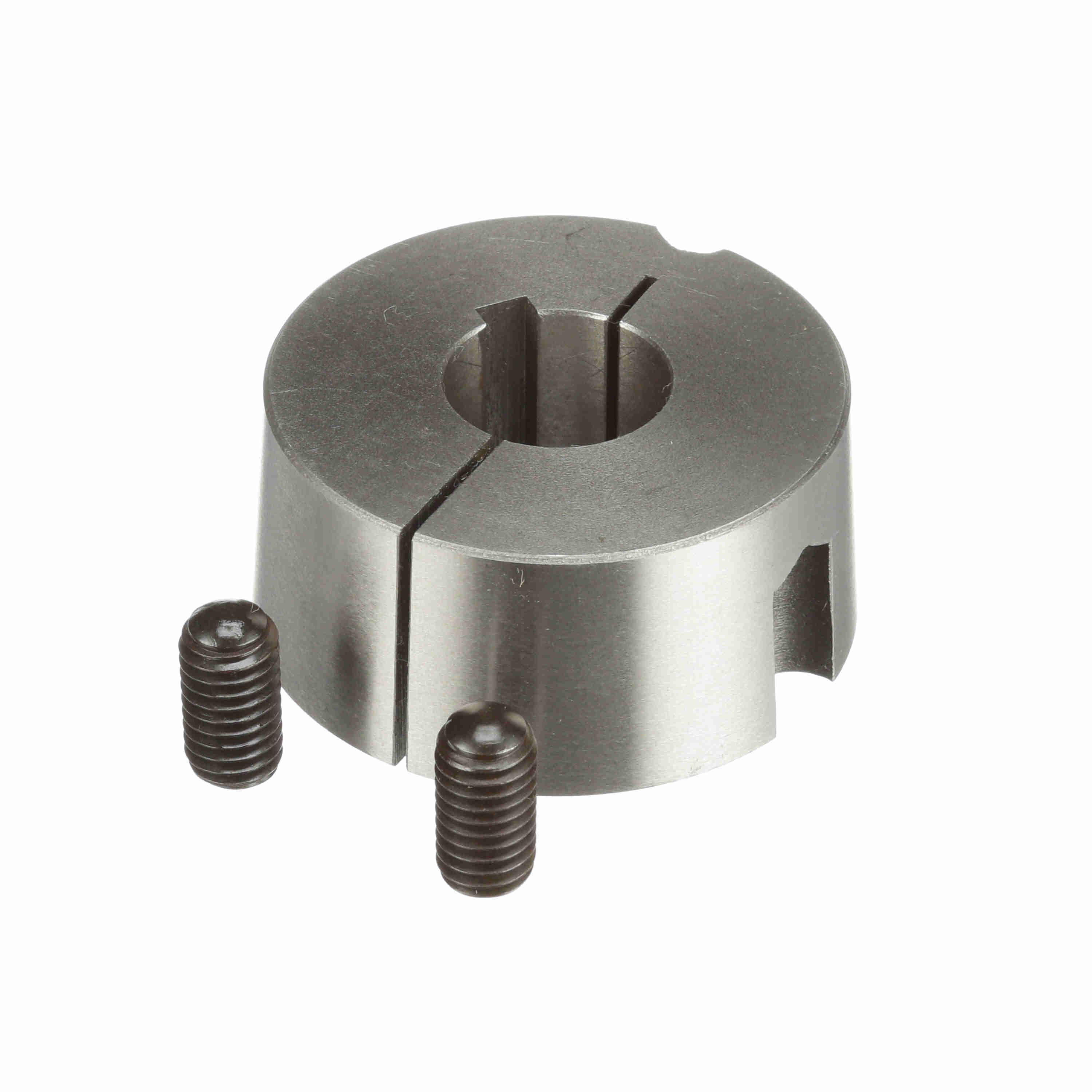
Browning® 3749421 Taper Lock Bushing, 1-13/16 in Dia Bore, 2-3/4 in Dia Barrel, 1-1/4 in OAL, Steel

Browning® 3749421 Taper Lock Bushing, 1-13/16 in Dia Bore, 2-3/4 in Dia Barrel, 1-1/4 in OAL, Steel
-
BrandBrowning®
-
UPC662289621729
-
Manufacturer Part Number3749421
-
CountryUSA
-
Taper1-1/2 in/ft
-
MaterialSteel
-
Torque Rating7150 in-lb
-
Screw Size7/16 x 7/8 in
-
Number of Bolt Holes2
-
Barrel Diameter2-3/4 in
-
Keyway Size1/2 x 1/4 in
-
Bolt Circle Diameter2-5/8 in
-
Bore Diameter1-13/16 in
-
Overall Length1-1/4 in
-
Suitable For Use WithBrowning® Sprockets and HPT Chain Synchronous Belt Drives
-
Alternative Part Number2012X 1 13/16
-
UNSPSC31163205
-
Package DescriptionEACH
-
Warranty1 Year
-
Instruction/Installation Manual
-
Catalog
Recently Viewed

Browning® 3749421 Taper Lock Bushing, 1-13/16 in Dia Bore, 2-3/4 in Dia Barrel, 1-1/4 in OAL, Steel
Browning® 3749421 Taper Lock Bushing, 1-13/16 in Dia Bore, 2-3/4 in Dia Barrel, 1-1/4 in OAL, Steel

CF-6-V-UU-R 16-mm-OD Stud Type
16-MM-OD STUD TYPE CAM FOLLOWERS-IKOCF6VUUR>

METRIC NOTCHED V-BELT - JASXPB1320>
MINI-SANDING DISC, QUICK CHANGE, 3" X 80 GRIT.-FOR71748 >
1/2" HITCH PULL PIN WITH CLIP
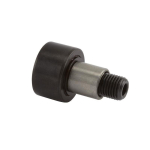
Needle Roller Cam Followers have a heavy outer ring cross section and a full complement of needle rollers. They offer high dynamic and static load carrying capability, and anti-friction performance, in a compact design. They are used as track rollers, cam followers, and in a wide range of linear motion systems.

