

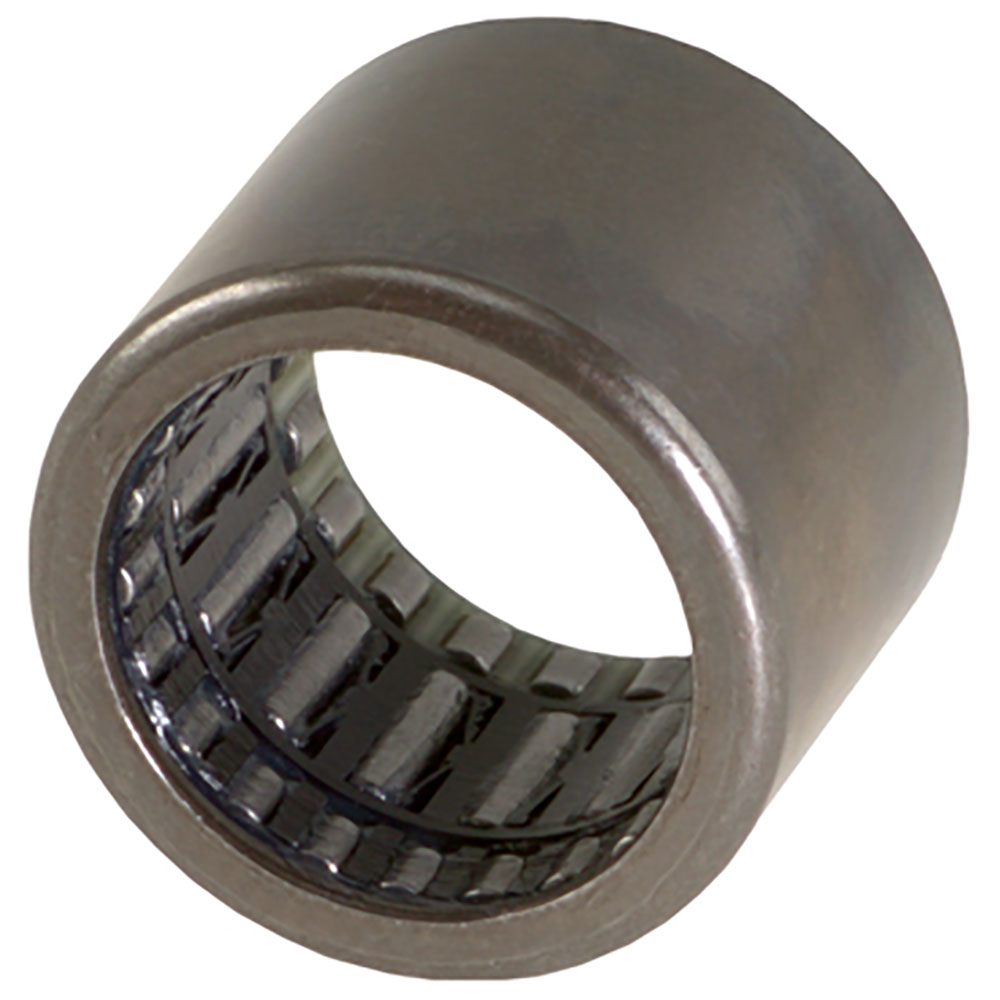
Torrington DRAWN CUP CLUTCH NEEDLE BEARINGS TOR RC-162110-FS

Drawn cup needle roller clutches are similar to drawn cup needle roller bearings in design, however, they allow free rotation in only one direction while transmitting torque in the opposite direction. These designs use the same small radial section as drawn cup needle roller bearings and are offered as clutch-only units or as clutch and bearing assemblies.
-
BrandKoyo
-
UPC605790193101
-
Manufacturer Part NumberRC-162110-FS
-
CountryUSA
-
Cage MaterialAcetyl Resin Polymer
-
Temperature Rating250 deg F
-
Maximum Speed8700 rpm
-
Torque Rating439 in-lb
-
TypeCaged
-
Width5/8 in
-
SeriesRC Inch Series
-
Bearing MaterialSteel
-
Outside Diameter1.313 in
-
Bore Diameter1 in
- Compact, lightweight and operate directly on a hardened shaft
- Installation is easily accomplished with a simple press fit
| Competitor Name | Cross-Reference Number |
|---|---|
| Grainger | 779KK7 |
-
Alternative Part NumberRC162110FSPBL068
-
UNSPSC31171505
-
Catalog
Recently Viewed

Drawn cup needle roller clutches are similar to drawn cup needle roller bearings in design, however, they allow free rotation in only one direction while transmitting torque in the opposite direction. These designs use the same small radial section as drawn cup needle roller bearings and are offered as clutch-only units or as clutch and bearing assemblies.

Oatey® Retro Master Flash® 14049 Roof Flashing, EPDM, 1/4 to 4 in Pipe, 8 in W x 8 in L Base
Oatey® Retro Master Flash® Roof Flashings are engineered for profiled roofing material and designed for installations where standard flashing can't be used because of continuous pipe or obstructions. Oatey products have earned the trust of plumbing professionals for over 100 years.
5-TON L-100 10'-LIFT HAND CHAIN HOIST - JET101550>
3/4" SCH-80 CPVC SOCKET CAPS-NIB1847007 >


Reed 03320 1-Wheel Pipe Cutter, 1/8 to 2 in, Tool Steel Cutting Edge, Short Handle
REED offers a variety of pipe cutters, both with and without guides. Standard pipe cutters without guides feature strong malleable iron frames. These pipe cutters work on steel, stainless steel, galvanized steel or cast iron pipe, depending on the installed cutter wheels. (Models ship with cutter wheels for steel.) The wide rollers help create square cuts. REED's thin profile, sharp cutter wheels allow shorter handles for work in smaller spaces. These pipe cutters leave no burr, which is great for threading jobs. The 2-3 pipe cutter with three wheels (and no rollers) means more cutting surface and less handle swing.
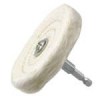
60203 Buffing Wheel, Cotton, 1" X 1/8" Shaft. Great For Polishing All Metals.
BUFFING WHEEL, COTTON, 1" X 1/8" SHAFT. GREAT FOR POLISHING ALL METALS.-FOR60203 >

