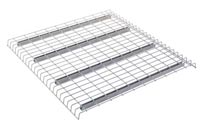
4846-RDLT NASHVILLE WIRE PRODUCTS
48X46 PALLET RACK WIRE DECKS-NWP4846RDLT >
Recently Viewed
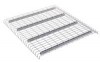
48X46 PALLET RACK WIRE DECKS-NWP4846RDLT >
537071 DO-IT-BEST/BROAN 200 CFM 8.5 SONES 120V VERTICAL DISCHARGE BATH EXHAUST FAN
THE BROAN 200 CFM EXHAUST FAN IS DEAL FOR PROBLEM ROOMS, SUCH AS LAUNDRY ROOMS, KITCHENS, OR RECREATIONAL ROOMS. THE FAN'S PERMANENTLY LUBRICATED MOTOR OPERATES AT 8.5 SONES FOR LIMITED DISTRIBUTION. THE FAN FEATURES DURABLE GALVANIZED STEEL HOUSING AND A WHITE POLYMERICA GRILL THAT CAN BE PAINTED TO MATCH ANY ROOM'S DECOR. FOR FAST INSTALLATION, THE FAN OFFERS STEEL MOUNTING BRACKETS WITH KEYHOLE SLOTS.
JWH537071 >
Browning® mounted ball bearings feature multiple housing styles, materials and configurations, an extended inner race insert bearing with ball riding nylon retainer. The insert features a rivet to prevent outer ring rotation and is available with setscrew, eccentric or BOA concentric locking collar. The contact seal with black oxide treated flinger provides a good balance between contaminant resistance, grease loss and friction.
Enerpac® RC-156 DUO General Purpose Single Acting Hydraulic Cylinder, 15 ton Capacity, 2 in Dia Bore, 6 in L Stroke, 10.69 in H Retract, 1.63 in Dia Rod, 700 bar
Browning® mounted ball bearings feature multiple housing styles, materials and configurations, an extended inner race insert bearing with ball riding nylon retainer. The insert features a rivet to prevent outer ring rotation and is available with setscrew, eccentric or BOA concentric locking collar. The contact seal with black oxide treated flinger provides a good balance between contaminant resistance, grease loss and friction.
Appleton® UNILETS™ LL67 Type LL Conduit Outlet Body, 2 in Hub, Form 7, 50 cu-in, Grayloy Iron, Triple Coated
Appleton® FM7™ Conduit Outlet Bodies are used to connect and change direction of conduit runs. In addition to making bends in a conduit system, they allow connections for branch runs. These conduit bodies serve as pulling fittings and permit access to conductors for splicing and maintece.