

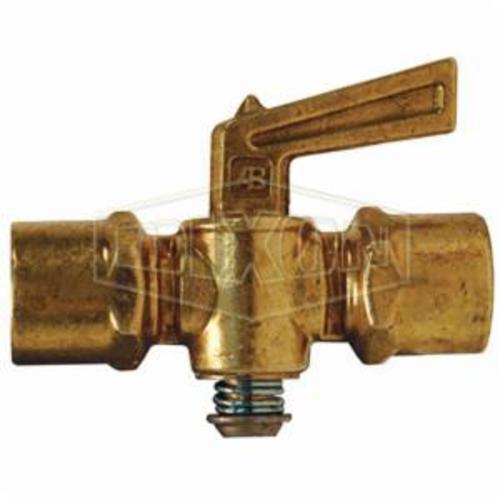

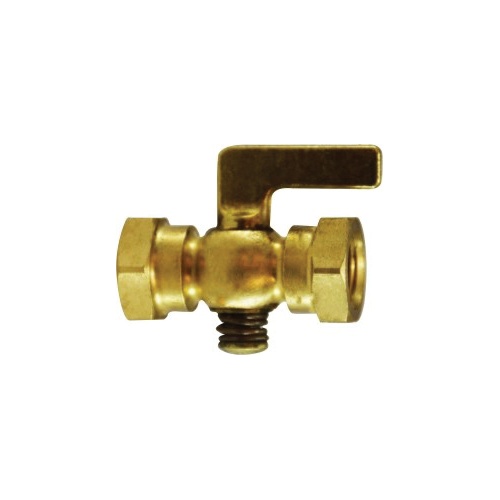
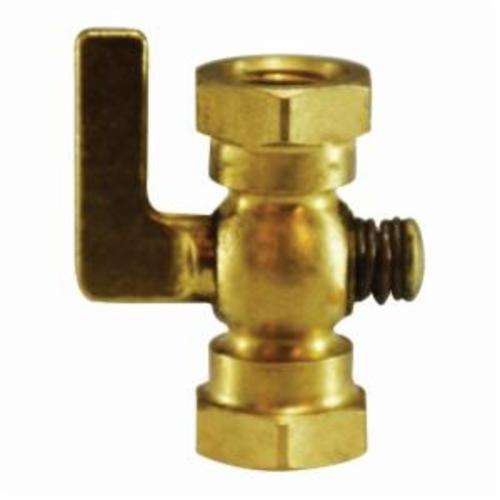
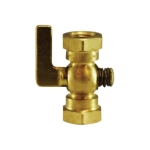
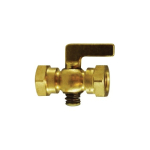
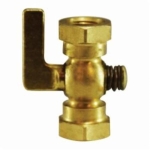
HCI Preferred Supplier LDCF-2 Spring Key Air Cock, 1/4 in Nominal, FIP End Style, Brass Body, Lever Handle Actuator

HCI Preferred Supplier 46356 Spring Key Air Cock, 1/4 in Nominal, FIP End Style, Brass Body, Lever Handle Actuator
-
BrandGeneric
-
UPC089109847921
-
Manufacturer Part Number46356
-
CountryUSA
-
Nominal Size1/4 in
-
Pressure Rating80 psi
-
TypeSpring Key
-
Actuator TypeLever Handle
-
Hex Size3/4 in
-
Dimensions1.71 in H x 2.1 in W
-
Body MaterialBrass
-
End StyleFIP
- Polished or plated finish available at extra cost
- Machine finish is standard
- Spring-key type cocks of all brass construction with stainless steel springs
- NO 59 industrial number
-
UNSPSC40141740
-
Package Description1/PK
-
WarrantyLimited
-
Catalog
Recently Viewed
HCI Preferred Supplier LDCF-2 Spring Key Air Cock, 1/4 in Nominal, FIP End Style, Brass Body, Lever Handle Actuator
HCI Preferred Supplier 46356 Spring Key Air Cock, 1/4 in Nominal, FIP End Style, Brass Body, Lever Handle Actuator
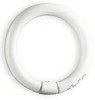
T9 shape for versatile installation
Delivers 1,000 Lumens with a 22-Watt consumption and a cool 4100K color temperature
Ideal for indoor settings like garages, workshops, or offices where bright lighting is needed
Long-lasting with a lifespan of 12,000 hours, promoting energy efficiency and reduced replacement costs
Compatible with fixtures that accept a 4-Pin, G10Q base, making it easy to retrofit
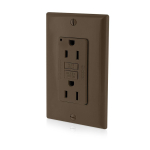
Leviton® SmartlockPro® Slim® GFNT1 Feed Through Monochromatic Non-Tamper Resistant Self-Test Standard Duplex GFCI Receptacle With LED Indicator, 125 V AC, 15 A, 2 Poles, 3 Wires, Brown
Peace of mind, all the time. The SmartlockPro® self test GFCI tests itself even if you forget. Designed to meet the latest UL standard for auto-monitoring (self test) our complete line of self test GFCIs periodically conduct an automatic internal test to confirm that it can respond to a ground fault. With the slimmest profile ON the market, the device allows for fast and easy installation, while Leviton® patented reset lockout mechanism prevents reset of the GFCI if it is not wired or operating correctly. The SmartlockPro® self test GFCI is the smart choice in ground fault circuit interrupter protection.

Browning® 1171958 Single Strand Split Taper Bushed Type 4 Roller Chain Sprocket, 1-1/8 in Dia Bore, 12.03 in OD, #80 Chain, 36 Teeth, Steel
Browning® offers a variety of bushing type sprockets available in single and double strands. Offerings include 35 to 160 pitch range. Bushed type bore ranges are available from 1/2 to 5 in. Hardened teeth are available up to 30 teeth.

TCM15262VH>
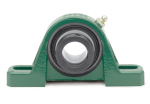
Dodge® 131840 207 Normal Duty Pillow Block Ball Bearing Unit, 1-7/16 in Dia Bore, 4.68 to 5.44 in L Bolt Center-to-Center, 1.81 in Base to Bore Centerline, 6-1/2 in OAL x 3.69 in OAH
For more than 70 years, Dodge® has been talking to mounted bearing users and listening to their needs. This experience led to design of the optimum mounted ball bearings. The result is the Dodge® SXR line, the most current eccentric collar mounted ball bearing design on the market, provides the user unmatched quality and true total value.

