

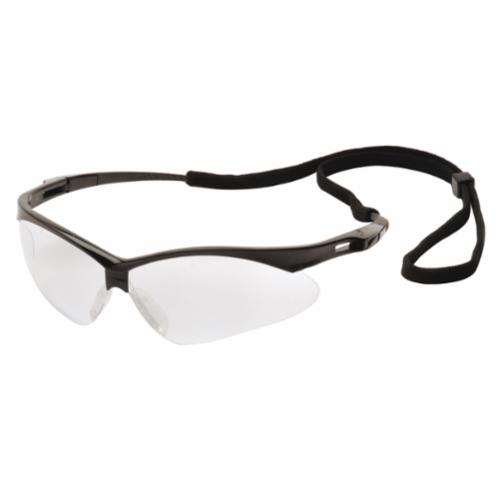
Pyramex PMXTREME BLACK/CLR A-F LENS W/CORD PSP SB-6310-STP

Pyramex® SB6310STP Safety Eyewear With Black Lanyard Cord, Anti-Fog, Clear Lens, Half-Frame Frame, Black, Nylon Frame, Polycarbonate Lens, ANSI Z87.1-2003, CAN/CSA Z94.03-07
-
BrandPyramex®
-
UPC814992001330
-
Manufacturer Part NumberSB6310STP
-
CountryUSA
-
Temple StyleFlexible/Straight Back/Ventilated
-
Frame ColorBlack
-
Frame MaterialNylon
-
Frame TypeHalf-Frame
-
UV ProtectionYes %
-
SizeUniversal
-
Specifications MetANSI Z87.1-2003, CAN/CSA Z94.03-07
-
Lens CoatingAnti-Fog
-
Lens ColorClear
-
Lens MaterialPolycarbonate
-
Bridge Size14 mm
- Built in rubber nosepiece
- Rubber temple tips keep eyewear secure for the active worker
- Ventilated, straight back flexible temples
- Extreme style in safety eyewear with clean lines and sports appeal
- 9 base curve lens
- Scratch-resistant polycarbonate lens provides 99% UVA/B/C protection
- 99
| Competitor Name | Cross-Reference Number |
|---|---|
| MSC | 30298954 |
-
UNSPSC46181802
-
Standards/ApprovalsANSI Z87.1-2003|CSA Z94.03-07
-
Specification Sheet
Recently Viewed
Pyramex® SB6310STP Safety Eyewear With Black Lanyard Cord, Anti-Fog, Clear Lens, Half-Frame Frame, Black, Nylon Frame, Polycarbonate Lens, ANSI Z87.1-2003, CAN/CSA Z94.03-07
4-GRV 3-V-BELT QD SK-BUSH SHEAVES IDC 4/3-V-0600-SK
4-GRV 3-V-BELT QUICK DISCONNECT SK-BUSH SHEAVES
25-MM-ID NEEDLE BEARING W/1-SEAL-TORHK2518RS >

SMALL FULL BODY HARNESSES-FRE850ABSM >

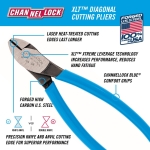
Channellock® XLT™ 336 E SERIES™ High Leverage Cutting Plier, 6 in Nominal, 0.56 in L Jaw Lap Joint Jaw, 6.01 in OAL
The unique E SERIES™ design provides legendary strength in a streamlined design with a powerful cutting edge. These pliers were designed with precision and space limitations in mind.

Browning® Gearbelt® 1055961 Type 4 Synchronous Timing Pulley With Flange, 3/8 to 1 in Split Taper Bore, 2.119 in OD, 18 Grooves, 2.149 in Dia Pitch, 3/4 in W Face
Synchronous belt drives help reduce the problems of slippage, belt stretch, lubrication and metal to metal contact. They provide superior performance because power is transmitted by positive engagement of belt teeth rather than by friction, as in conventional belt drives.

