

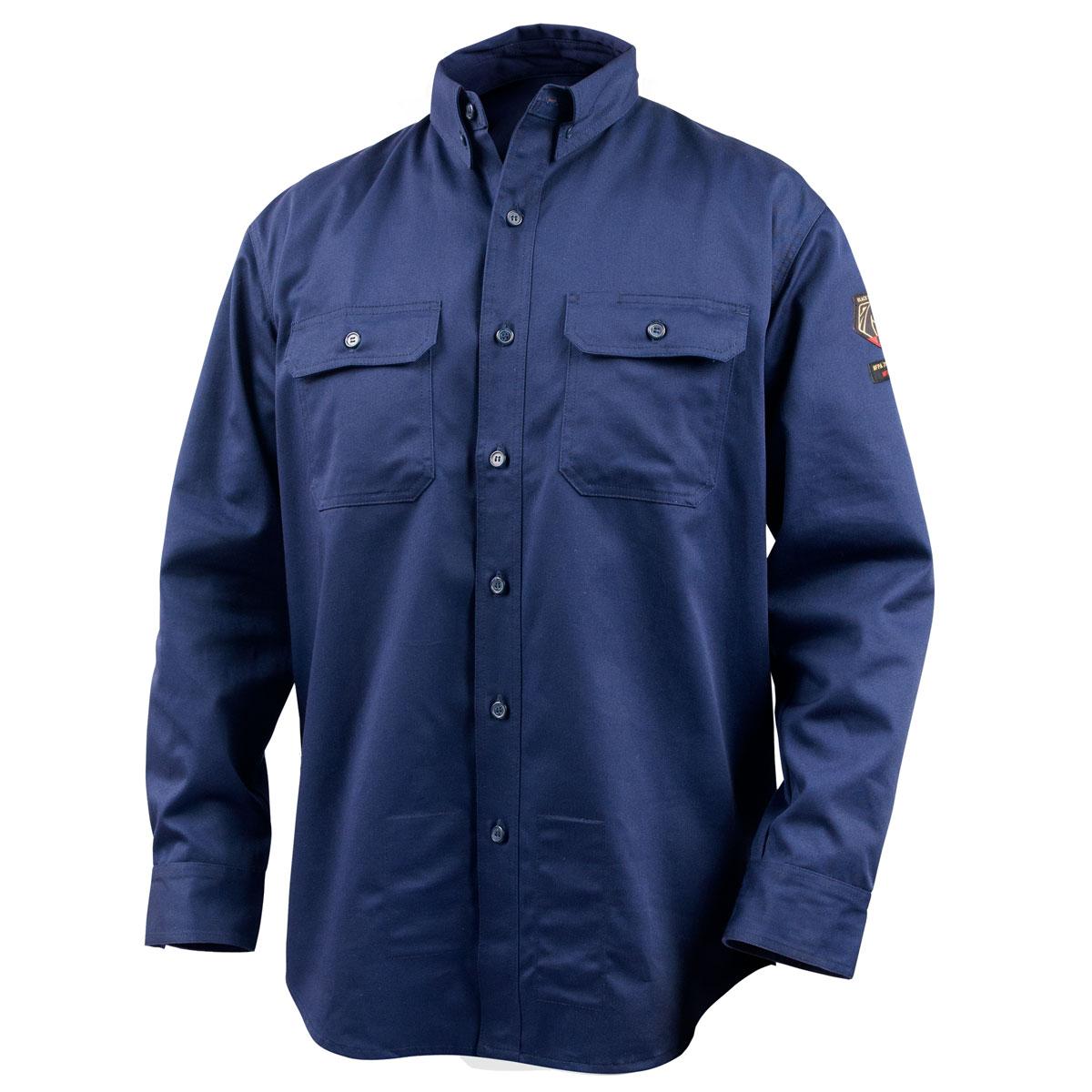
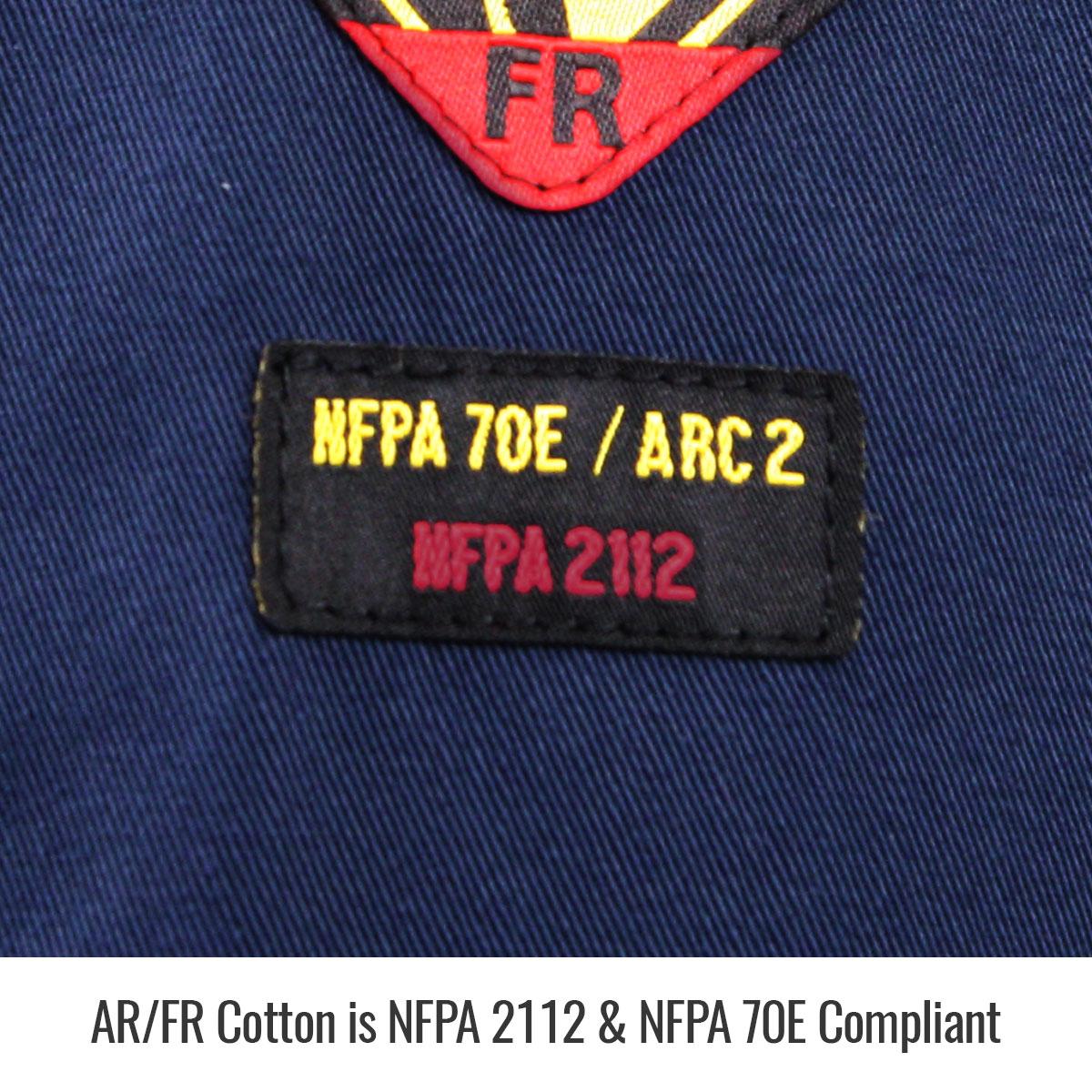


Black Stallion® WF2110-NV-5XL WF2110-NV Flame Resistant Shirt, 5XL, Cotton, Navy, Resists: Resistance

The Black Stallion WF2110-NV Blue Plaid 7oz AR/FR Cotton Work Shirt is made with FR-treated cotton (100 washes), which meets the NFPA 2112 standards for flash fire protection and NFPA 70E standards for arc flash hazard protection. And, it is tested to ASTM F1506 standards for flame resistance to maintain protection through 100 home washings.
-
BrandBlack Stallion®
-
UPC013332926559
-
Manufacturer Part NumberWF2110-NV-5XL
-
CountryUSA
-
MaterialCotton
-
Chest Size61 to 65 in
-
Closure TypeButton
-
ResistsResistance
-
ColorNavy
-
TypeFlame Resistant
-
SeriesWF2110-NV
-
Number of Pockets2
-
Size5XL
-
Fabric Weight7 oz
- 7 oz FR-treated cotton with a generous comfortable fit
- Stitched with durable FR aramid threads
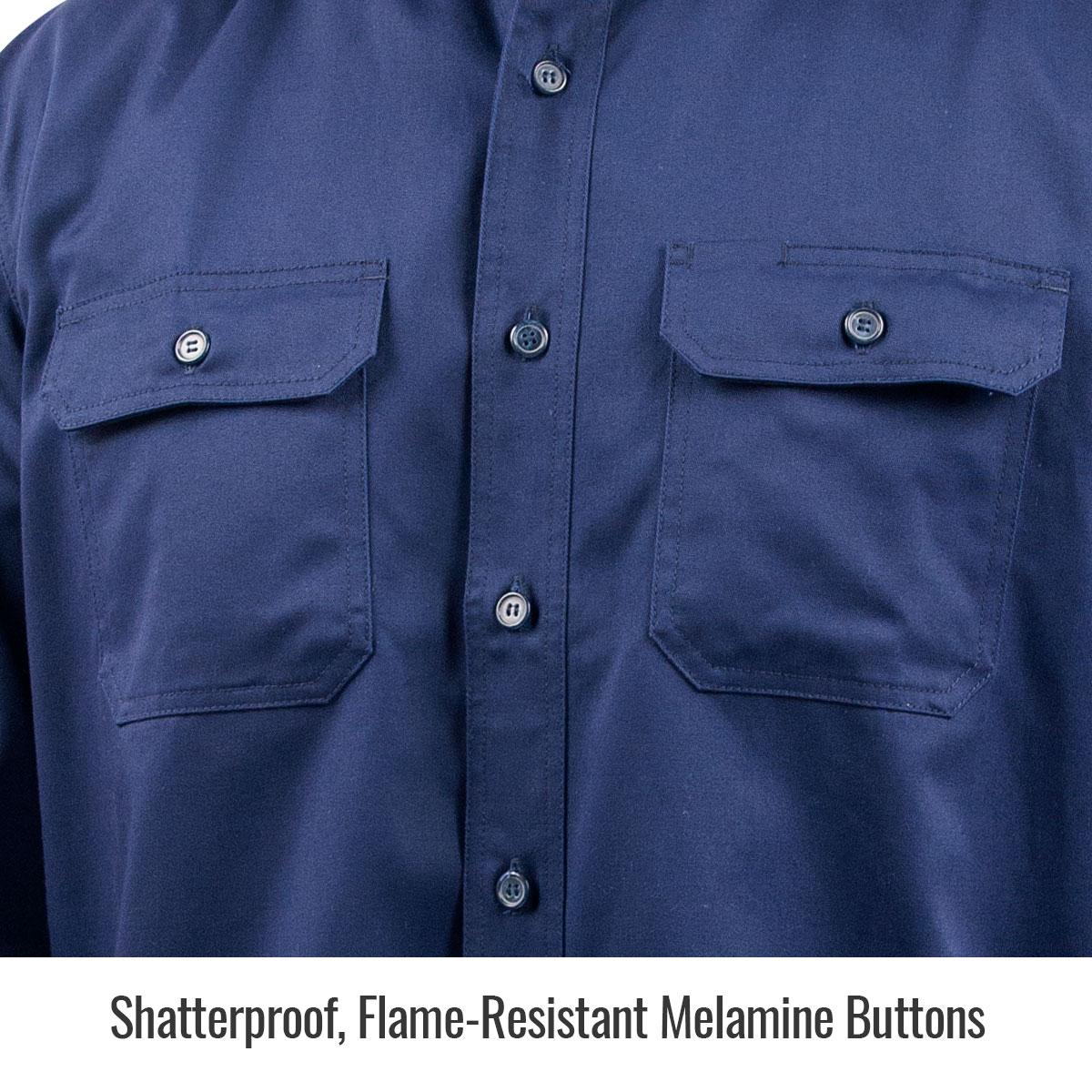
- Shatter-proof FR melamine buttons
- Chest pockets with protective flaps and pencil slot
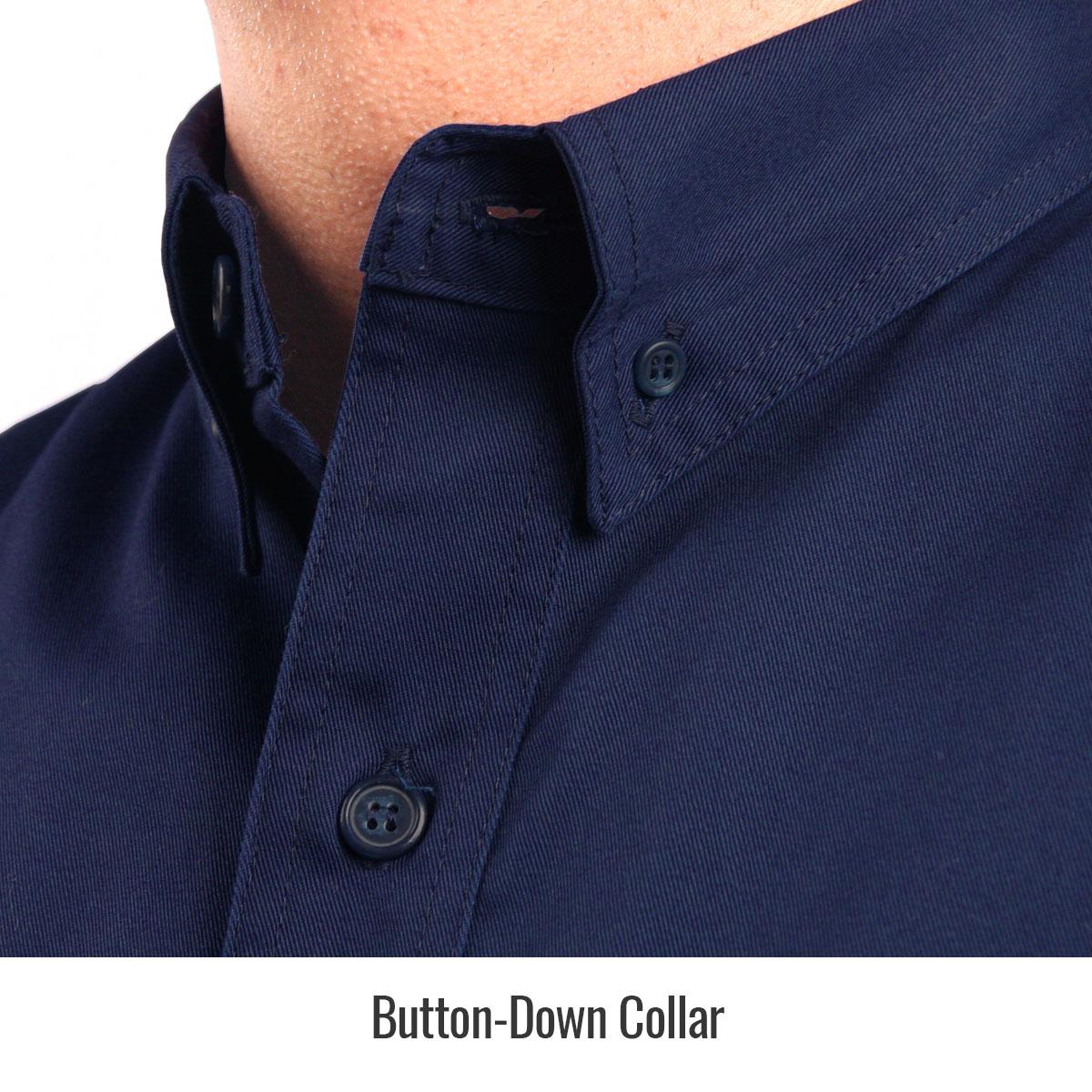
- Button-down Collar
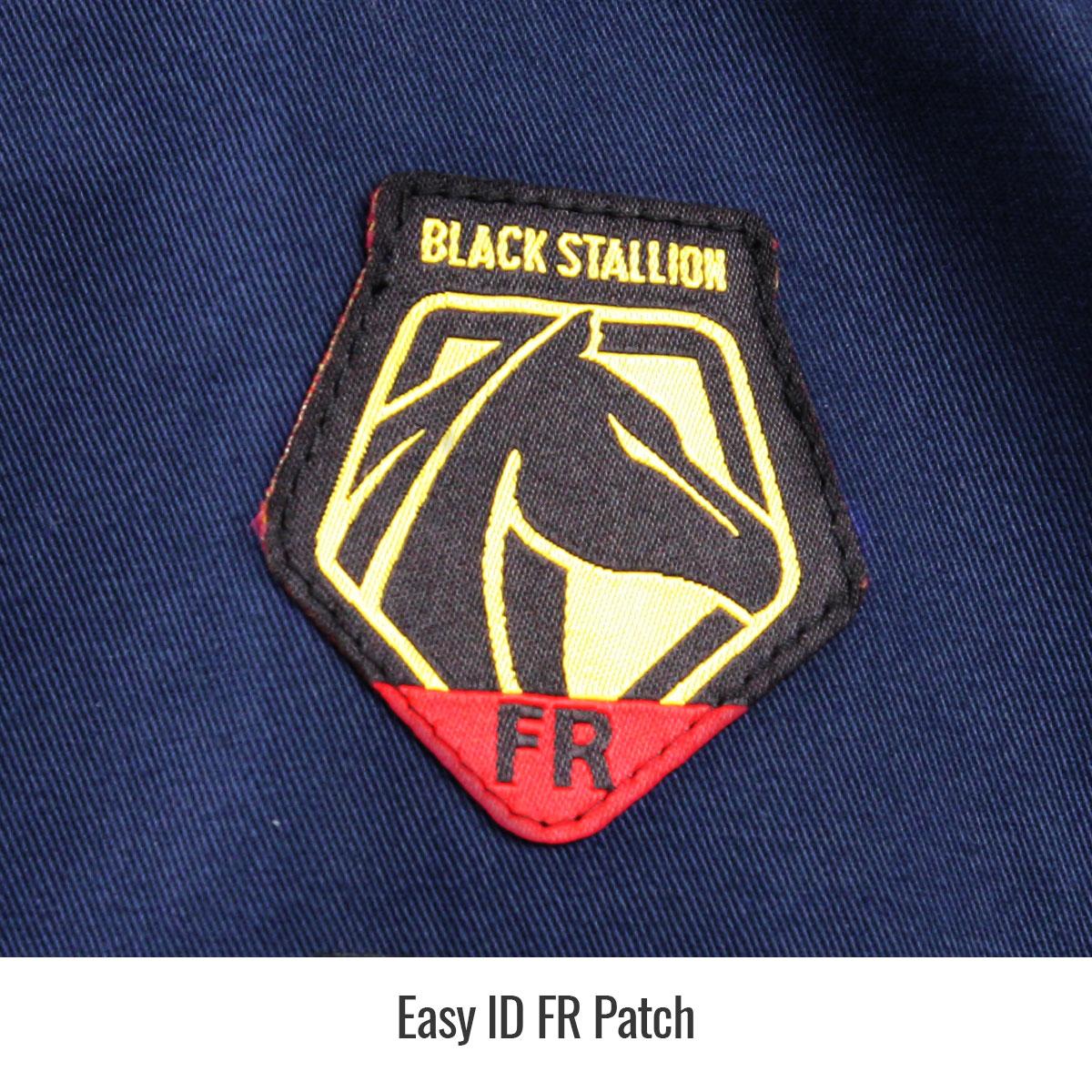
- Easy ID FR patch on left shoulder
- Curved hem provides enhanced protection when shirt is untucked
- Tested to maintain protection through 100 home washings
-
Package Description24/CS
-
Standards/ApprovalsCAT 2 ATPV 8.7 cal/cm²|NFPA 70E|NFPA 2112|UL Certified
-
Specification Sheet
Recently Viewed
Black Stallion® WF2110-NV-5XL WF2110-NV Flame Resistant Shirt, 5XL, Cotton, Navy, Resists: Resistance
The Black Stallion WF2110-NV Blue Plaid 7oz AR/FR Cotton Work Shirt is made with FR-treated cotton (100 washes), which meets the NFPA 2112 standards for flash fire protection and NFPA 70E standards for arc flash hazard protection. And, it is tested to ASTM F1506 standards for flame resistance to maintain protection through 100 home washings.
Littelfuse® ATO010 Fast Acting Smart Glow Automotive Fuse, 10 A, 32 V DC, 1 kA Interrupt
The ATO® fuse was designed and patented by Littelfuse® in 1976 and set the standard for automotive circuit protection. It features industry standard color coding to indicate amperage rating.
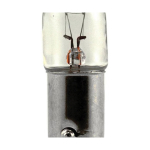
Incandescent lamps are still commonly used in homes and businesses and with our wide selection, we have enough shapes, wattages and finishes to fit almost every application and need. Many of our incandescent lamps are also available in an extended life, 130 VAC version, with even more environmentally friendly alternatives coming soon.


Weiler® 08615 CT-8 Heavy-Duty Wheel Brush, 8 in Dia Brush, 1/2 in W Face, 0.023 in Dia Filament/Wire Cable Twist Knot Filament/Wire, 5/8 in Arbor Hole
Weiler® 08615 CT-8 Heavy-Duty Wheel Brush, 8 in Dia Brush, 1/2 in W Face, 0.023 in Dia Filament/Wire Cable Twist Knot Filament/Wire, 5/8 in Arbor Hole

1-1/4" 2-WIRE HYDRAULIC HOSE-DAY20BX >
1-1/2"-ID THRUST BALL BEARING-INAD17>

