

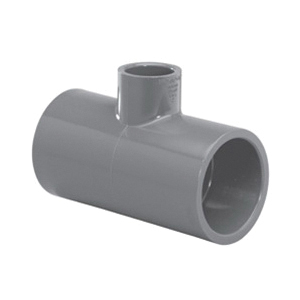
NIBCO 2" X 2" X 3/4" SCH-8O PVC TEES NIB 801-248

NIBCO Fittings, Inc's comprehensive line of PVC injection molded fittings offers a variety of configurations in sizes 3/8 in through 12 in. SCH 80/XH fittings are manufactured to ASTM D 2467.
-
BrandLasco®
-
UPC025528719470
-
Manufacturer Part Number801-248
-
CountryUSA
-
MaterialPVC
-
Fitting/Connector TypeTee
-
Method of ManufactureInjection-Molded
-
ColorGray
-
Schedule RatingSCH 80/XH
-
Nominal Size2 x 2 x 3/4 in
-
Domestic/ImportDomestic
-
Length5-17/32 in
-
End StyleSlip
- ASTM D-1784: Rigid poly vinyl chloride (PVC) compounds and chlorinated poly vinyl chloride (CPVC) compounds
- ASTM D-2467: Socket type poly vinyl chloride (PVC) plastic pipe fittings, SCH 80/XH
- NSF/ANSI standard 61, Annex G: Drinking water system components weighted average lead content of less than or equal to 0.25% and is in compliance with California's health and safety code section 116875 (commonly known as AB1953) NSF/ANSI Standard 14: Plastics piping system components and related materials, includes ANSI standard 61, Annex G
- Do not use Lasco® fittings for compressed air or gases
- Do not test PVC piping systems with compressed air or gases
- Do not use fittings with liquids not recommended by Lasco®
- Fitting modification voids the warranty
-
UNSPSC40174608
-
Package Description10/CT
-
Standards/ApprovalsASTM D1784|ASTM D2467|NSF/ANSI 14|NSF/ANSI 61|Annex-G
-
WarrantyLimited
-
Catalog
-
Specification Sheet
Recently Viewed

NIBCO Fittings, Inc's comprehensive line of PVC injection molded fittings offers a variety of configurations in sizes 3/8 in through 12 in. SCH 80/XH fittings are manufactured to ASTM D 2467.
1"-MPT X CLOSE BLACK NIPPLES-JPW1XCLBN>
Rust-Oleum High Performance 7400 System 450 VOC DTM Alkyd Enamel is the original direct-to-metal (DTM) rust-preventive formula that delivers maximum protection from rust, corrosion and everyday wear and tear. This high solids coating is ideal for general plant maintenance, structural steel, machinery, equipment, pipes, railings and other industrial application projects.

THRUST BALL BEARING-NTN7307BG >

SHAFT MOUNT GEAR REDUCER SEAL KITS-BRW115SMTPSMFP>
DOUBLE SHIELDED BALL BEARING-NTN6300ZZ >

