

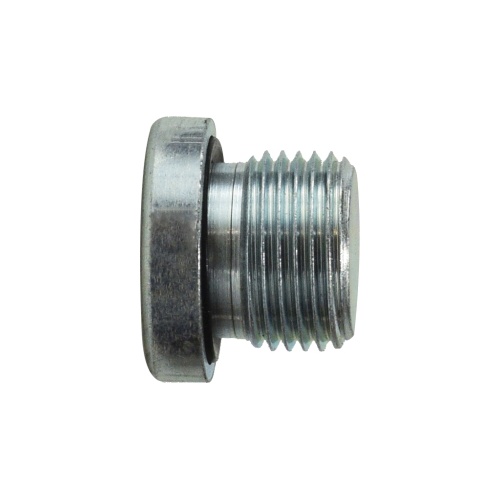
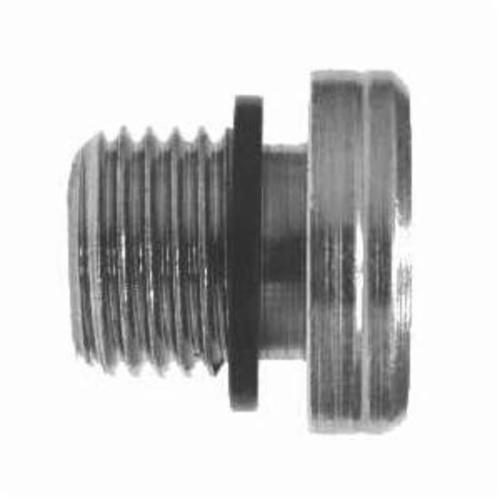
HCI Preferred Supplier 9522H12 Hex Head Hollow Plug, 3/4-14 Nominal, Male BSPP, Steel

HCI Preferred Supplier 9522H12 Hex Head Hollow Plug, 3/4-14 Nominal, Male BSPP, Steel
-
BrandGeneric
-
Manufacturer Part Number9522H12
-
CountryUSA
-
MaterialSteel
-
Nominal Size3/4-14
-
End StyleMale BSPP
-
UNSPSC27121700
-
Package Description1/PK
-
Catalog
Recently Viewed
HCI Preferred Supplier 9522H12 Hex Head Hollow Plug, 3/4-14 Nominal, Male BSPP, Steel
HCI Preferred Supplier 9522H12 Hex Head Hollow Plug, 3/4-14 Nominal, Male BSPP, Steel

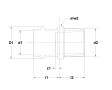
NIBCO 804-2 Apollo Press Small Diameter Lead Free Male Press Adapter, 2 in Nominal, C x MNPT End Style, Brass, Domestic
The APOLLOXPRESS® 804 Small Diameter Press Male Adapter features a Lead-Free dezincification resistant brass body and an EPDM O-Ring. Our Small Diameter APOLLOXPRESS® products are manufactured utilizing proven ASTM materials and standards. Proudly Made In The USA.
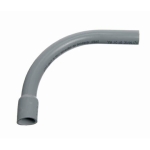
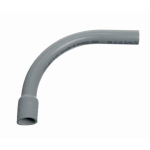
Carlon® UA9AGB SCH 40 Bell End Standard Radius Conduit Elbow, 1-1/4 in Trade, 90 deg, PVC
Carlon® products set the standard for non-metallic indoor and outdoor boxes, conduit bodies and fittings, enclosures and more. These premium products continue to supply the industry with innovative ideas, easier upgrades and a long, service-free product life.


Charlotte PVC 02400 2000, Tee, 4 in nominal, Socket end style, SCH 40/STD, PVC, Domestic
PVC Schedule 40 fitting that is for pressure systems where temperatures will not exceed 140° F. They are highly resilient, with high-tensile and high-impact strength. PVC Schedule 40 has better sound deadening qualities than
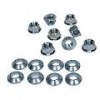
TOILET BOWL NUT-BOLT-WASHER COMBO-RADCB105 >
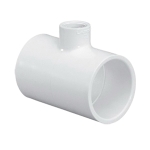
Lasco® 401-420 Reducing Tee, 4 x 4 x 2 in Nominal, Slip End Style, SCH 40/STD, PVC, Nitrile Rubber Seal, Domestic

