

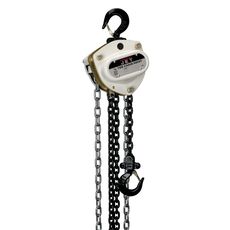
101515 JET EQUIPMENT
1-1/2 TON L-90 10' CHAIN HOIST-JET101515>
Recently Viewed
1-1/2 TON L-90 10' CHAIN HOIST-JET101515>
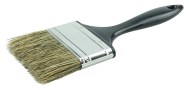
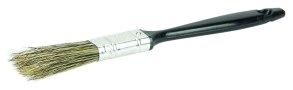
Vortec Pro® 40031 Multi-Purpose Chip and Oil Brush, 1/2 in THK China Bristle Brush, Plastic Handle, Alkyd Paints, All Stains, Oil Paints, Shellacs, Urethane and Varnishes
Vortec Pro® 40031 Multi-Purpose Chip and Oil Brush, 1/2 in THK China Bristle Brush, Plastic Handle, Alkyd Paints, All Stains, Oil Paints, Shellacs, Urethane and Varnishes


Black Stallion® 6X8VF1-BLU Standard Quickframe Set Screen and Frame, 6 x 8 ft, 14 mil THK, Vinyl, Blue
QuickFrame™ Standard Screens provide a lightweight solution to portable protection of workers, bystanders, materials, and equipment near active welding. They create a physical barrier that keeps sparks and flying debris contained, while shielding those in the immediate vicinity from the dangerous UV light and radiation produced by a welding torch. The Black Stallion Saf-Vu™ 14 mil. Translucent Vinyl & Standard QuickFrame™ Welding Frame Set blocks most UV Radiation, Inhibits viewing from passerby.


Energizer® ECR1632 Coin Battery, Lithium-Manganese Dioxide, 3 V Nominal, 130 mAh Nominal, 1632
Don't let their small size fool you - this Energizer® 1632 lithium coin 3 V battery delivers big time on long-lasting, dependable power for your coin-battery-operated items. From heart rate or glucose monitors, to remotes, keyless entry systems, key fobs, watches, toys and games and even more specialized devices, our coin batteries are compatible with the devices that fit your life, so you can keep going. These reliable and durable Energizer® coin lithium batteries are able to withstand a wide range of temperatures (from -22 to 140 deg F) and can hold power in storage for up to eight years, giving you coin battery power you can depend on. Responsibly designed with zero mercury, it's easy to see why Energizer® lithium coin batteries are the right choice for your specialty devices.
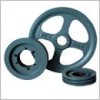
3 GROOVE A OR B-BELT 1" -ID SHEAVES
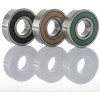
BALL BEARINGS-ORS630052RS>

