

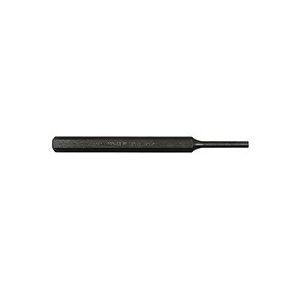
Mayhew 3/16" BLACK OXIDE PIN PUNCHES MAY 21004

Mayhew™ 21004 PRO™ Pin Punch, 3/16 in Hex Punch, 5-1/4 in OAL, Alloy Steel
-
BrandMayhew™
-
UPC045256210049
-
Manufacturer Part Number21004
-
CountryUSA
-
MaterialAlloy Steel
-
Punch Size3/16 in
-
Punch TypeHex
-
ColorBlack Oxide
-
SeriesPRO™
-
Overall Length5-1/4 in
- Used to drive out and remove already loosened pins and keys after initial movement by a solid punch
- Not for use on seized pins and keys, loosen with a solid punch first
- Available in black oxide finish for additional rust protection
| Competitor Name | Cross-Reference Number |
|---|---|
| Berkshire eSupply | KS50306 |
-
UNSPSC27111500
-
Package DescriptionEACH
-
Catalog
Recently Viewed
Mayhew™ 21004 PRO™ Pin Punch, 3/16 in Hex Punch, 5-1/4 in OAL, Alloy Steel
GE Q-Line® THQP230 Type THQP Molded Case Circuit Breaker, 120/240 VAC, 30 A, 10 kA Interrupt, 2 Poles, Thermal Magnetic Trip
THQP breakers are a smaller, smarter solution for today cost and quality conscious contractors and homeowners. Half the width of standard breakers, they allow use of smaller load centers and for maximum savings of space and money. GE is the only manufacturer that gives you this cost advantage without sacrificing flexibility. THQP breakers are one half the width of standard GE breakers but identical in design. They are available from 15 to 50 A and in 1 and 2-pole construction.
26 TOOTH SPROCKETS FOR #50 CHAIN-IDC50SDS26 >
Hyde® 42070 Heavy Duty Utility Knife, Top Slide Push Button, 1 Blades Included, Zinc Alloy Blade
MORSE® 33451 2020 General Purpose Straight Flute Hand Tap, Left Hand Cutting, 1/2-20 Thread, H3 Thread Limit, Plug Chamfer, 4 Flutes, Bright, HSS
HCI Preferred Supplier FF3812M FF Series Flush Face Quick-Disconnect Female Pipe Plug, 3/8 in Nominal, FNPT, Steel
HCI Preferred Supplier FF3812M FF Series Flush Face Quick-Disconnect Female Pipe Plug, 3/8 in Nominal, FNPT, Steel

