

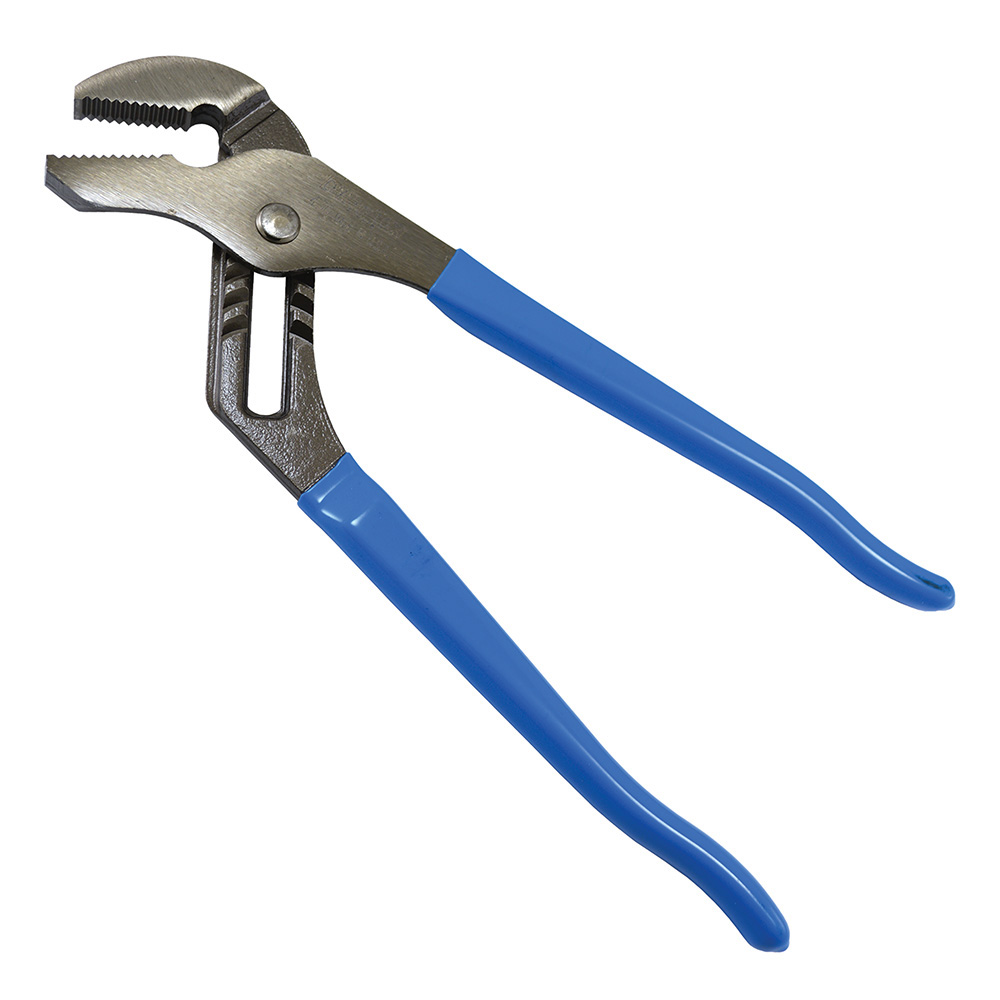
CHANNELLOCK 440 12"-LENGTH TONGUE/GROOVE PLIERS

Channellock Tongue and Groove Plier 440 - Straight Jaw, High Carbon Steel - 12 in
-
BrandJones Stephens™
-
UPC025582301673
-
Manufacturer Part NumberJ40404
-
CountryUSA
-
Nominal Capacity2-1/4 in
-
Overall Length12 in
- Right angle teeth
- Comfort grips
- Channel lock No 440
| Competitor Name | Cross-Reference Number |
|---|---|
| Ferguson | JJ40404 |
-
UNSPSC27112112
-
Package Description5/CTN
-
Catalog
Recently Viewed
Channellock Tongue and Groove Plier 440 - Straight Jaw, High Carbon Steel - 12 in

Fluidmaster® 555CRP8/555C Universal Flush Valve Repair Kit, PerforMAX®, For Use With 1.28 to 3.5 gpf Toilets/Flush Valves/Mounting Ears, Rubber, Domestic
Fluidmaster® 555CRP8/555C Universal Flush Valve Repair Kit, PerforMAX®, For Use With 1.28 to 3.5 gpf Toilets/Flush Valves/Mounting Ears, Rubber, Domestic
Arlington NM902 Blank, 1 in, Plastic
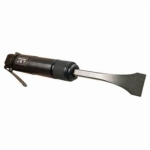
The JAT-820 ball lock flux chipper was made for those who change chisels on a regular basis. The ball detent lock makes switching chisels fast and easy while giving you all the power you need to get the job done.

Fluidmaster® 1W60CU Braided Dishwasher Water Supply Connector With MNPT Elbow and Adapter, 3/8 x 1/2 in Nominal, Compression End Style, 60 in L, Stainless Steel, Import
This Fluidmaster 1WC60U dishwasher connector takes the guess work out of connector selection. With a universal fit for most shut-off valve sizes: 3/8", 7/16", 1/2" Compression, or 1/2" F.I.P. x 3/8" Compression dishwasher connection. The size adaptors are included. The 60" length offers durability and flexibility for ease of use. The stainless ferrules are extra long, with radial crimps, while the nickel-plated brass hex nuts are easy to grip. Featuring a tough polymer core resists corrosion, and ample inside diameter for high flow capacity. Exceptional flexibility for fast, easy installation, that won't kink or crease, even in the tightest of spaces. Exceeds all requirements for flexible water connectors and offering a 5 year warranty.
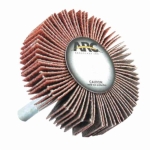
ARC™ 11293 Coated Flap Wheel, 2 in Dia Wheel, 1 in W Face, 1/4 in Dia Shank, 240 Grit, Very Fine Grade, Aluminum Oxide Abrasive
Mounted and unmounted flap wheels are a great choice for light grinding, blending, deburring and finishing applications on a variety of metals. Flap wheels conform to many geometries and the radial flap design provides a continuous supply of fresh grain for consistent cutting action. Mounted flap wheels are most commonly used on die grinders.

