

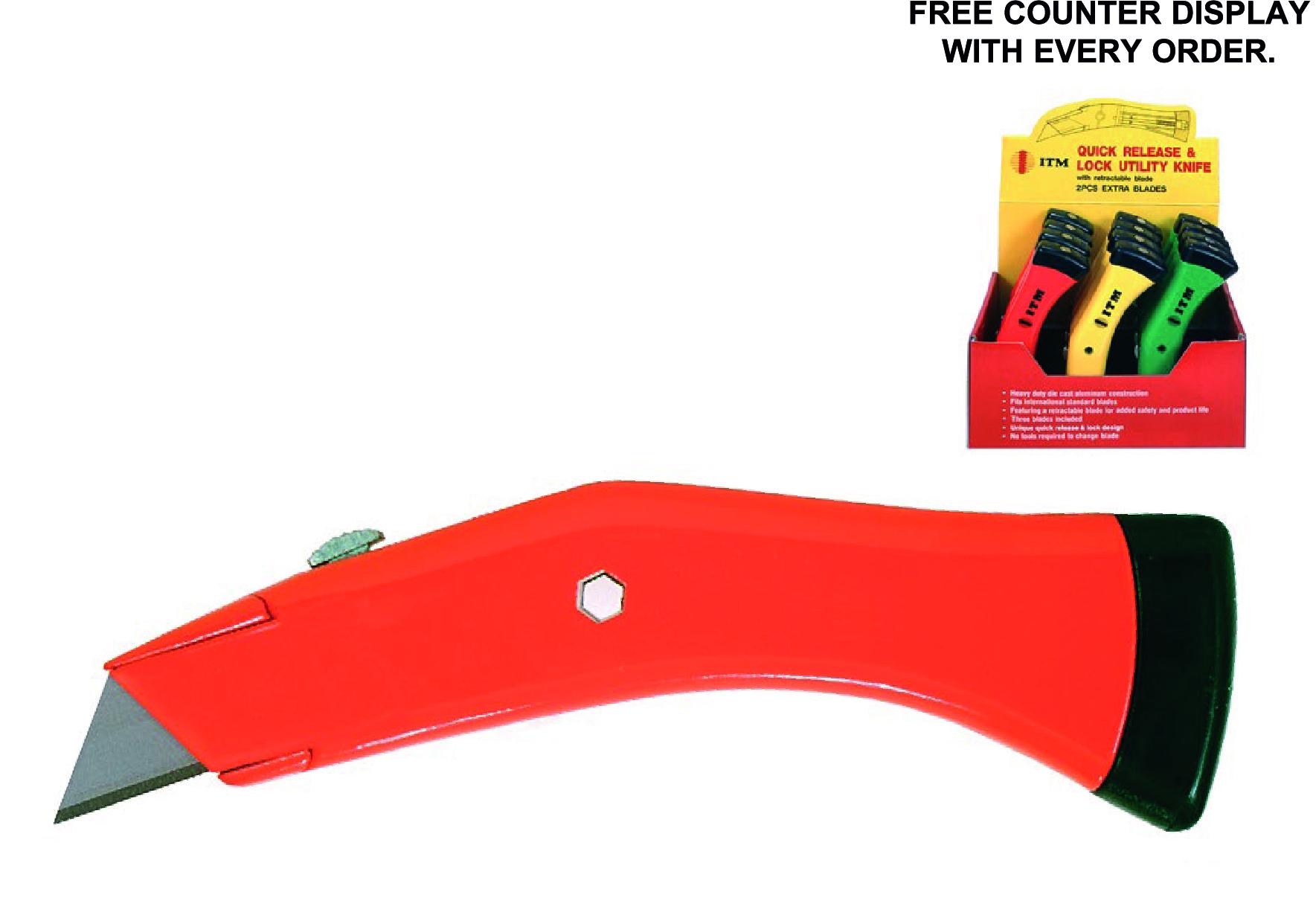
ITM C/Tools QUICK RELEASE UTILITY KNIFES ITM UTK-0002

ITM UTK0002 Manual Cutter Knive, Utility Blade
-
BrandITM
-
UPC703652456279
-
Manufacturer Part NumberUTK0002
-
CountryUSA
-
Blade Length7 in
-
Blade TypeUtility
- Retractable 3 Blades Positions
- 3 Blades in Each Knife
- Heavy Duty Die Cast Aluminium
- Pull Out Mechanism for Quick Blade Change
- Free Counter Display with Every Order
-
Catalog
Recently Viewed
ITM UTK0002 Manual Cutter Knive, Utility Blade
HCI Preferred Supplier 32361 Hose Tee, 5/8 in Nominal, Barb End Style, Brass

Littelfuse® POWR-GARD® FLSR350 FLSR Current Limiting Time Delay Fuse, 350 A, 600 V AC/300 V DC, 200/20 kA Interrupt, RK5 Class, Cylindrical Body
Littelfuse® FLSR series fuses have been the superior UL Class RK5 dual element time delay fuses and are the most widely used Class of fuses. FLSR series fuses provide excellent protection for all types of circuits especially those containing motors. However, users and specifiers should consider the significant benefits offered by indicator fuses.
3" X 1/4" TYPE-S DISC HOLDERS-PRA75006725 >
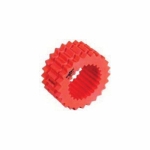
Dodge® 22187 D-Flex Type H Coupling Sleeve, 010 Coupling, 3-7/16 in L, 7-1/16 in OD, 3600 rpm Max, Hytrel®
Dodge® 22187 D-Flex Type H Coupling Sleeve, 010 Coupling, 3-7/16 in L, 7-1/16 in OD, 3600 rpm Max, Hytrel®
1-1/2"-6 INSTALLATION TOOLS-THR1182124 >

