

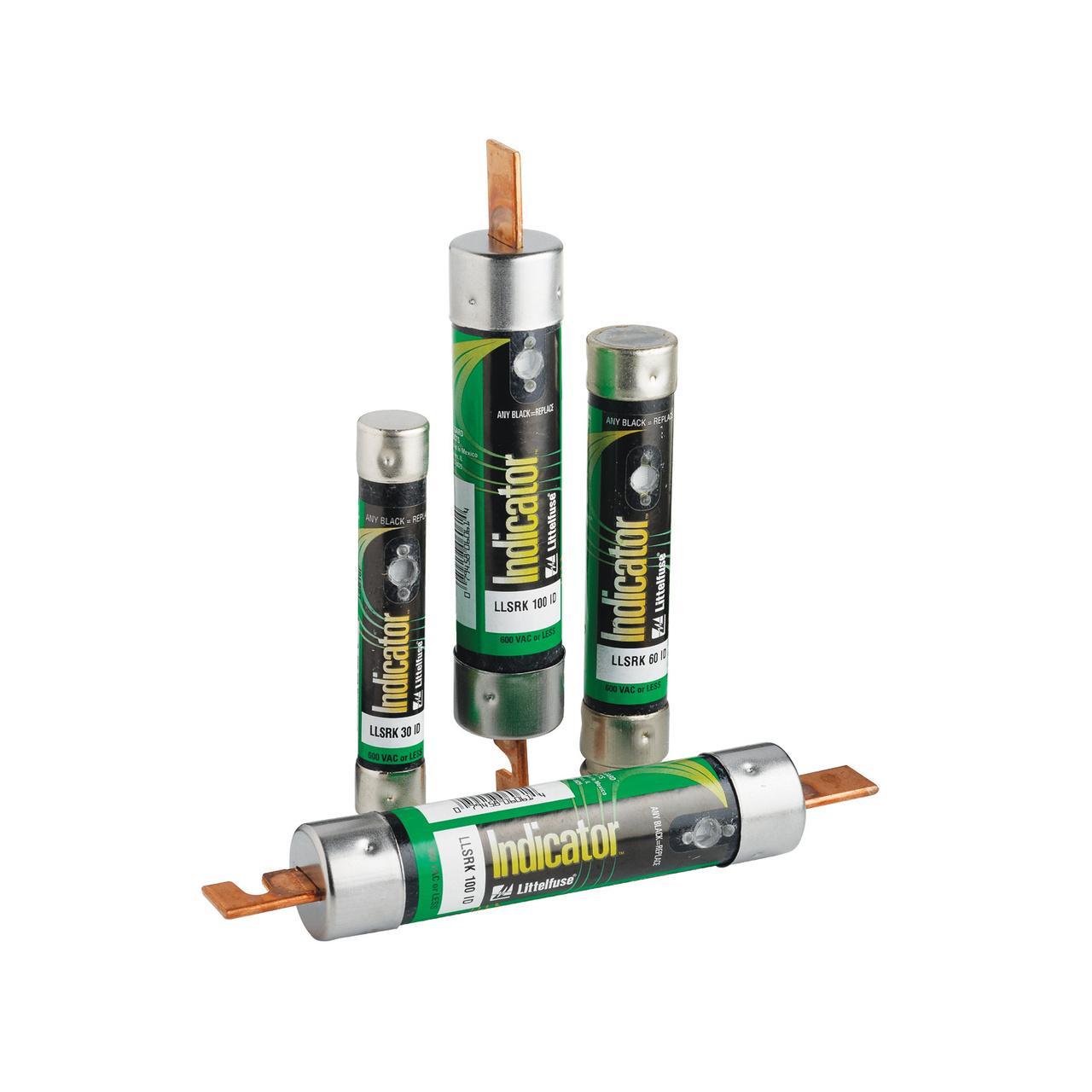
Littelfuse® POWR-GARD® LLSRK125 Current Limiting Time Delay Fuse, 125 A, 600 V AC/300 V DC, 200/20 kA Interrupt, RK1 Class, Cartridge Body

Littelfuse® LLNRK and LLSRK series POWR-PRO® fuses provide superior overload and short circuit protection for service entrance, main, feeder and general purpose branch circuits upto 600 A. LLNRK/LLSRK series fuses can be installed in existing Class H fuse blocks to upgrade systems containing lower interrupting rating Class H one-time or renewable fuses.
-
BrandLittelfuse®
-
UPC079458350845
-
Manufacturer Part NumberLLSRK125
-
CountryUSA|Canada
-
Terminal TypeKnife Blade
-
MaterialFiberglass
-
ClassRK1
-
Rejection/Non-RejectionRejection
-
TypeCurrent Limiting
-
Mounting TypeHolder
-
Voltage Rating600 V AC/300 V DC
-
Amperage Rating125 A
-
SeriesLLSRK
-
Indicating/Non-IndicatingNon-Indicating
-
Interrupt Rating200/20 kA
-
Body Size1-27/32 in Dia x 9-5/8 in L
-
Body TypeCartridge
-
ElementDual
- Extremely current limiting - reduces damage to circuits and equipment under short circuit conditions
- Stops damaging short circuits faster than any mechanical protective device
- Reduced costs - current limiting design often permits use of readily available, less costly equipment
- Low resistance design reduces power consumption and utility bills
- Excellent time delay - true dual element construction, with separate non-fatiguing thermally-reversible spring loaded thermal overload element, withstands repeated surges within rated time delay without opening needlessly
- Eliminates needless downtime caused by power surges or equipment demands
- 200 kA at 600 VAC, 20 kA at 300 VDC interrupting rating
-
Alternative Part NumberLSRK125.X|8586543
-
UNSPSC39121627
-
IDEA Index ID8586543
-
Package DescriptionEACH
-
Standards/ApprovalsUL 248-12|UL File No. E81895|CSA LR29862|Federal Specification WF-1814|PROP65: This product can expose you to chemicals including nickel, which is known to the State of California to cause cancer
-
Specification Sheet
-
Owners/User Manual
-
Full Engineering Drawing
-
Technical Bulletin
Recently Viewed

Littelfuse® POWR-GARD® LLSRK125 Current Limiting Time Delay Fuse, 125 A, 600 V AC/300 V DC, 200/20 kA Interrupt, RK1 Class, Cartridge Body
Littelfuse® LLNRK and LLSRK series POWR-PRO® fuses provide superior overload and short circuit protection for service entrance, main, feeder and general purpose branch circuits upto 600 A. LLNRK/LLSRK series fuses can be installed in existing Class H fuse blocks to upgrade systems containing lower interrupting rating Class H one-time or renewable fuses.
1/2" -MALE PIPE THREADX1/8" -FEMALE PIPE THREAD GALVANIZED BUSHING-FIT1/2X1/8GB >
Leviton® CS320-2 3-Way Grounding AC Quiet Toggle Switch, 120/277 V AC, 20 A, 800 W, 1000 VA Power Rating
Leviton® commercial specification grade switches are designed to offer outstanding reliability and top performance in commercial settings. Ideal applications include municipal facilities, government buildings, malls, department stores, hospital and health care facilities, office buildings, schools, colleges, universities, houses of worship and cultural institutions. Leviton® offers a large selection of 15 and 20 A commercial switches, available in a wide variety of colors, wiring options and other features.

50' 2-TUBE SPRINKLER HOSES-CRT860C50>
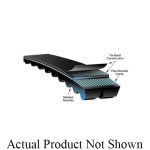
Gates® Power Transmission Super HC® Molded Notch PowerBand® 5/3VX800 Heavy Duty Molded Notch V-Belt, 3VX Section, 3/8 in W Top, 80 in L Outside, 21/64 in THK, EPDM
When your power transmission application needs a high horsepower solution but is constrained by drive weight or physical space, the answer is Super HC™ Molded Notch belts. Our proprietary ethylene construction process provides a superior combination of flex and load-carrying capacity, transmitting up to three times the horsepower versus comparably sized belts. Super HC MN V-belts put more power where high speeds, high speed ratios or small pulley diameters are required, offering significant benefits over classical section V-belts.
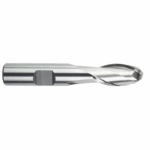
MORSE® 43120 1887 Ball Nose Center Cutting Regular Length Single End End Mill, 5/8 in Dia Cutter, 1-3/8 in Length of Cut, 2 Flutes, 5/8 in Dia Shank, 3-1/2 in OAL, Bright

