

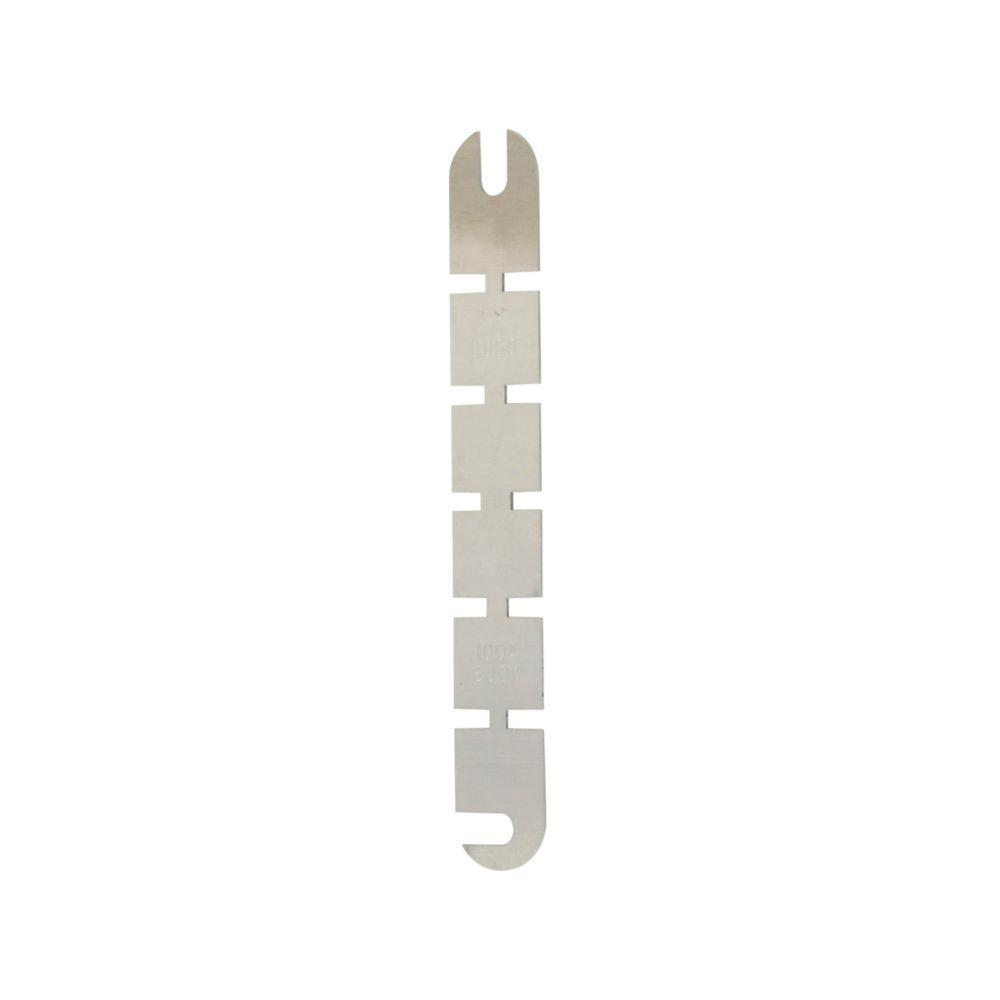
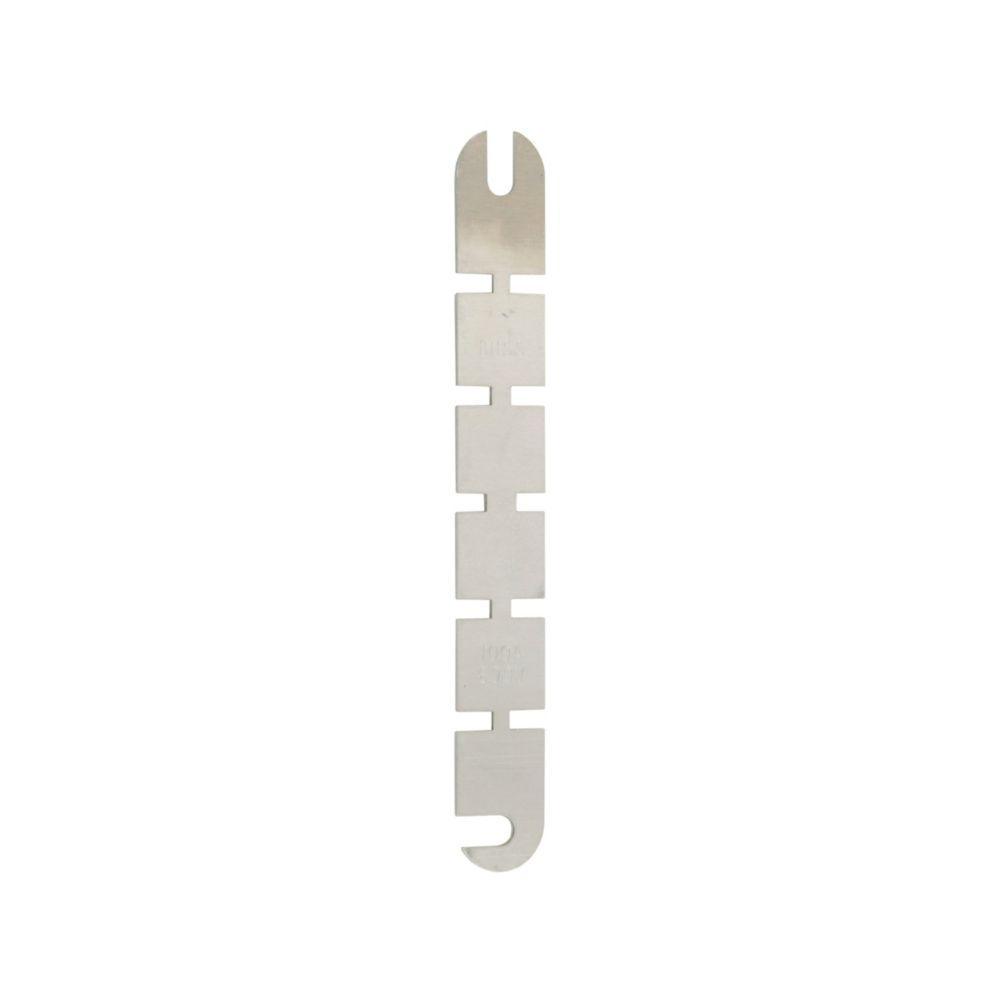
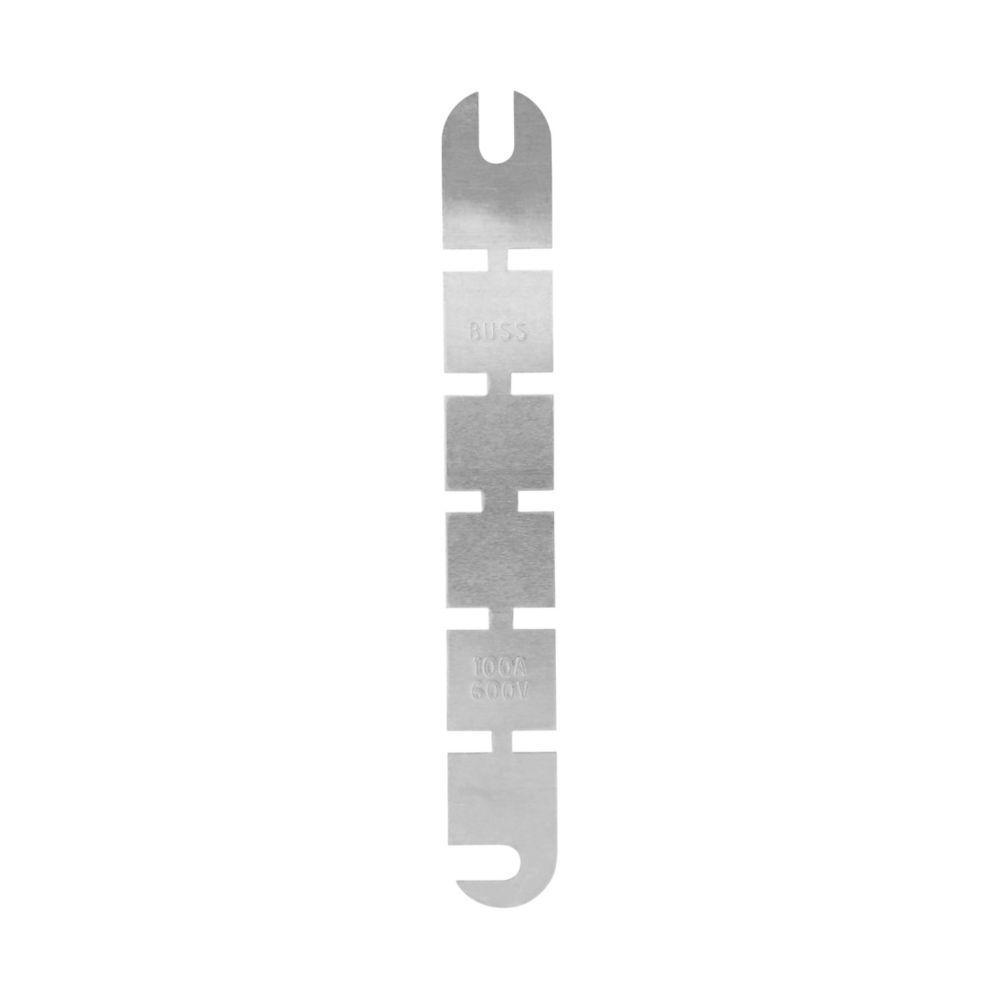
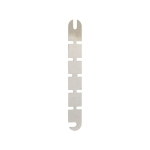
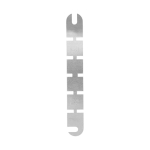
Bussmann LKS-100 Non-Current Limiting Renewable Class H Fuse Link, 600 V, 100 A, For Use With RES-100 Class H 7.88 in L Fuse

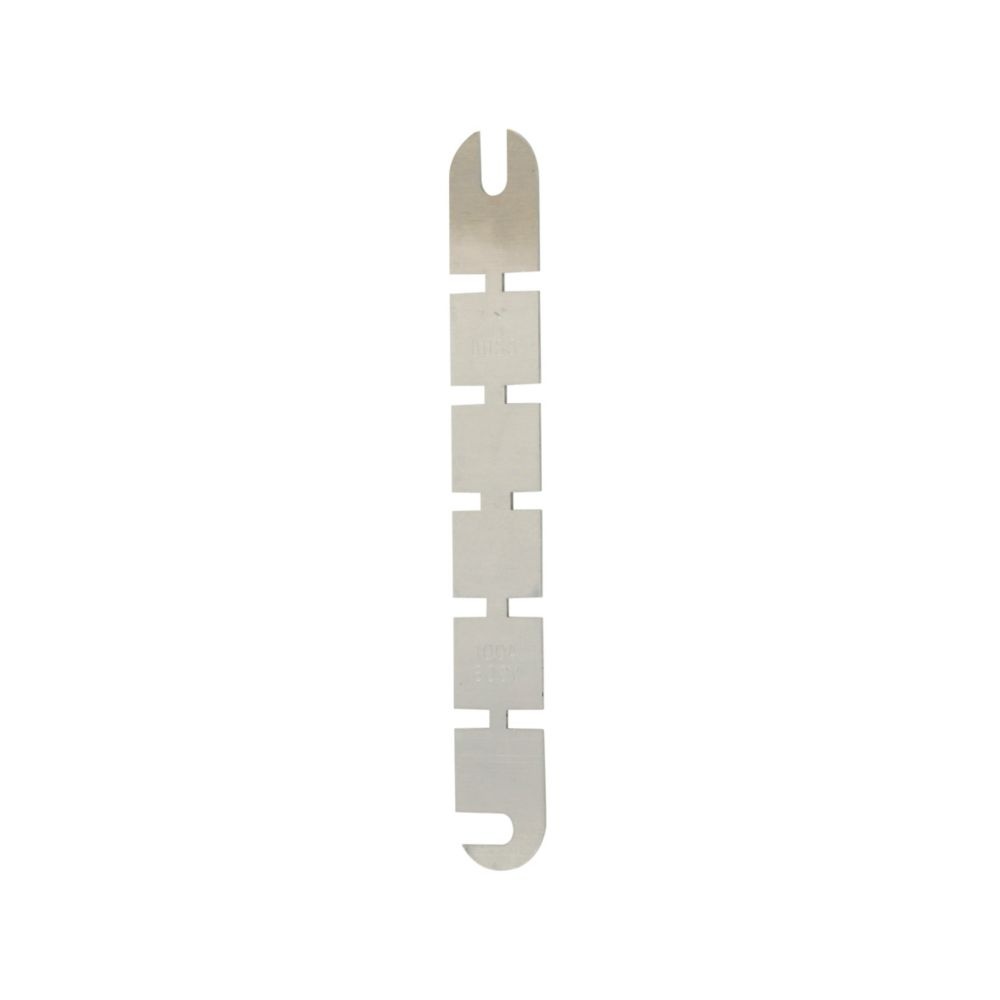
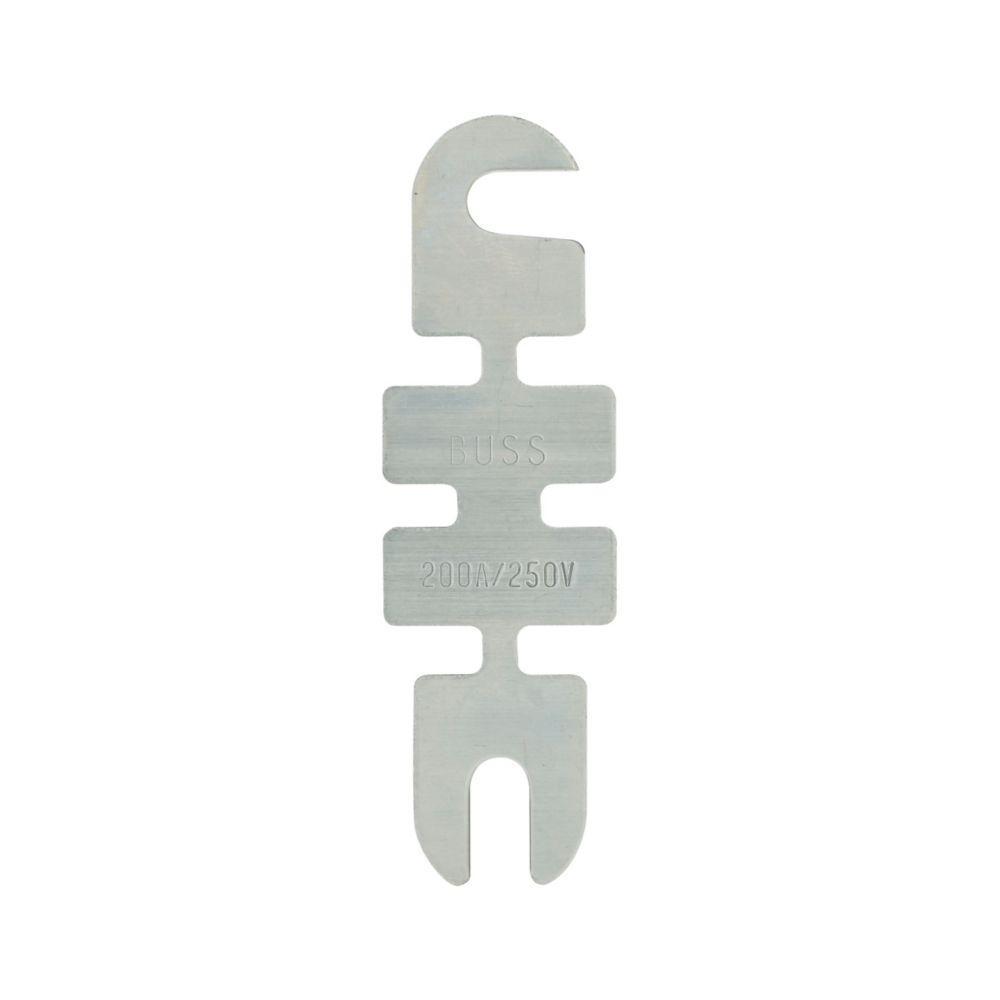
Bussmann LKS-100 Non-Current Limiting Renewable Class H Fuse Link, 600 V, 100 A, For Use With RES-100 Class H 7.88 in L Fuse
-
BrandBussmann
-
UPC051712141000
-
Manufacturer Part NumberLKS-100
-
CountryCanada
-
TypeNon-Current Limiting Renewable Class H
-
Mounting TypeStud
-
Voltage Rating600 V
-
Amperage Rating100 A
-
SeriesLKS
-
Dimensions5/8 in L x 0.688 in W x 5-1/8 in H
-
Suitable For Use WithRES-100 Class H 7.88 in L Fuse
- Designed for easy replacement
- No multiple links to complicate replacement
- Bussmann Super-Lag renewable fuses with longer time lag than other class H fuses of this type can better sustain overloads without needlessly opening
- Super-lag fuses are used in circuits of industrial and commercial structures where maximum short circuit currents are of a low level (below 10 kA) and frequent outages dictate the economy of the "renewable" type fuse
- These fuses are generally sized at the ampere rating of non-inductive circuits and 300% for motor circuits
-
Alternative Part Number11163011
-
UNSPSC39121606
-
IDEA Index ID11163011
-
Package DescriptionEACH
-
Standards/ApprovalsRoHS Compliant|UL Listed
-
Specification Sheet
-
Full Engineering Drawing
Recently Viewed
Bussmann LKS-100 Non-Current Limiting Renewable Class H Fuse Link, 600 V, 100 A, For Use With RES-100 Class H 7.88 in L Fuse
Bussmann LKS-100 Non-Current Limiting Renewable Class H Fuse Link, 600 V, 100 A, For Use With RES-100 Class H 7.88 in L Fuse
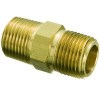
1/4" -MALE PIPE THREADX3-1/2" BRASS NIPPLE-FTG247X350 >

Browning® 3549003 Type B Synchronous Belt, 60 Teeth, 8 mm Pitch, 480 mm OAL, 20 mm W, Neoprene
Browning® 3549003 Type B Synchronous Belt, 60 Teeth, 8 mm Pitch, 480 mm OAL, 20 mm W, Neoprene
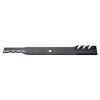
GATOR MULCHING BLADE-MED95605 >
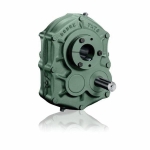
TDT-3-1-15/16 Dodge® 243272, 1 15/16 TDT3 Twin-Tapered Bushing Assembly, 1-15/16 in ID, Ductile Iron
Dodge® 243272, 1 15/16 TDT3 Twin-Tapered Bushing Assembly, 1-15/16 in ID, Ductile Iron
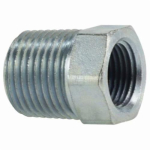
HCI Preferred Supplier 5406164 Hex Reducer Bushing, Steel, 1 x 1/4 in Nominal, MNPT x FNPT End Style
HCI Preferred Supplier 5406164 Hex Reducer Bushing, Steel, 1 x 1/4 in Nominal, MNPT x FNPT End Style

