

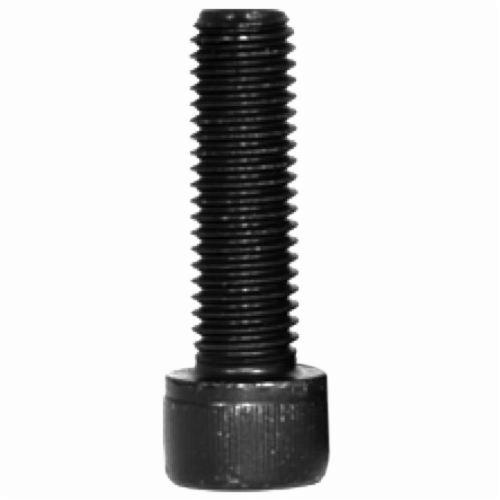
BBI 532226 Partially Threaded Round Socket Cap Screw, M12x1.75, 130 mm OAL, Alloy Steel, 12.9 Grade

BBI 532226 Partially Threaded Round Socket Cap Screw, M12x1.75, 130 mm OAL, Alloy Steel, 12.9 Grade
-
BrandBBI
-
UPC662403665400
-
Manufacturer Part Number532226
-
CountryUSA|Canada
-
FinishPlain/Thermal Black Oxide
-
MaterialAlloy Steel
-
Measurement SystemMetric
-
TypePartially Threaded
-
Grade12.9
-
Diameter - Thread SizeM12x1.75
-
Drive Size10 mm
-
Drive TypeHex
-
Overall Length130 mm
- UNC thread
-
UNSPSC31161501
-
Package Description25/CS
-
Standards/ApprovalsDIN 912|ISO 898-1|4762
Recently Viewed
BBI 532226 Partially Threaded Round Socket Cap Screw, M12x1.75, 130 mm OAL, Alloy Steel, 12.9 Grade
BBI 532226 Partially Threaded Round Socket Cap Screw, M12x1.75, 130 mm OAL, Alloy Steel, 12.9 Grade

1-1/4" -MALE PIPE THREADX1" -FEMALE PIPE THREAD GALVANIZED BUSHING-JPW11/4X1GB >
22-TOOTH #60-1 CHAIN SPROCKETS IDC 60-B-22-F1.3/16
22 TOOTH SPROCKETS FOR #60 CHAIN
1/2" EMT CONDUIT SET SCREW COUPLING - ELEL122 >

1" X 1/4" GALVANIZED BUSHING
BBI 583263 Machine Screw, #6-32, 2 in OAL, Round Head, Zinc CR+3 Plated, Slotted Drive
BBI 583263 Machine Screw, #6-32, 2 in OAL, Round Head, Zinc CR+3 Plated, Slotted Drive

