

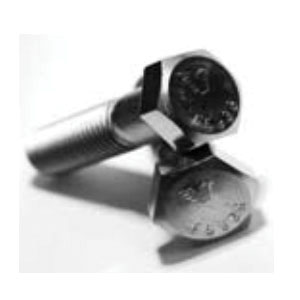
BBI 400596 Partially Threaded Cap Screw, 7/8-9, 4 in L Under Head, A2 (18-8) Grade, Stainless Steel

BBI 400596 Partially Threaded Cap Screw, 7/8-9, 4 in L Under Head, A2 (18-8) Grade, Stainless Steel
-
BrandBBI
-
Manufacturer Part Number400596
-
CountryUSA|Canada
-
MaterialStainless Steel
-
Material SpecificationASTM F593
-
Thread TypeUNC
-
Measurement SystemImperial
-
TypePartially Threaded
-
GradeA2 (18-8)
-
Head Size35/64 in H
-
Head TypeHex
-
Shank Size7/8 in
-
Diameter - Thread Size7/8-9
-
Length Under Head4 in
-
UNSPSC31161501
-
Package Description15/CS
-
Standards/ApprovalsASME/ANSI B18.2.1 2010|ASTM Certified|SAE J429|ISO Certified|DIN Standard
Recently Viewed
BBI 400596 Partially Threaded Cap Screw, 7/8-9, 4 in L Under Head, A2 (18-8) Grade, Stainless Steel
BBI 400596 Partially Threaded Cap Screw, 7/8-9, 4 in L Under Head, A2 (18-8) Grade, Stainless Steel
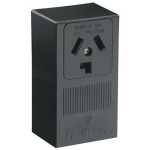
Built of durable thermoplastic, Leviton® power receptacles - come equipped with heavy gauge, double wire copper alloy contacts. To ensure correct and speedy wiring, terminals have ID markings.
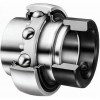
1" -ID SPHERICAL INSERT BEARING-FAFGRA100RRB >
6-GRV A OR B-BELT SD-BUSH SHEAVES-IDC6B040SD >
THE FLAT SCRAPER WITH SOFT GRIP HANDLE FEATURES A THICK, TEMPERED 3" STEEL BLADE WITH CHISEL EDGE FOR TOUGH JOBS. THE HEAVY-DUTY ERGONOMIC HANDLE HAS FINGER GRIPS FOR EASIER USE AND A BETTER GRIP WHEN WET. IT IS THREADED TO ACCEPT STANDARD THREADED EXTENSION POLES FOR HARDER TO REACH SCRAPER JOBS AND HAS A SCREW OUT, DIE CAST HAMMER END.
-JWH794075>
FILTERS

