

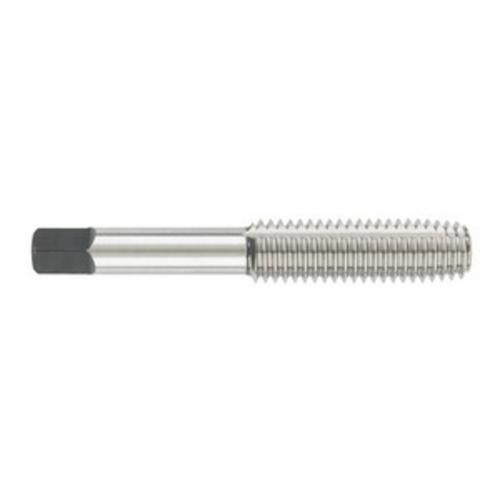
MORSE C/Tool 1/4"-20 USS 4-FLUTE TAPER TAPS MCT 32303

MORSE® 32303 2046 General Purpose Straight Flute Hand Tap, Right Hand Cutting, 1/4-20 Thread, H3 Thread Limit, Tapered Chamfer, 4 Flutes, Bright, HSS
-
BrandMORSE®
-
UPC686125323035
-
Manufacturer Part Number32303
-
CountryUSA
-
Finish/CoatingBright
-
Thread Length1 in
-
MaterialHSS
-
Thread LimitH3
-
Thread Size1/4-20
-
Thread StandardGround/UNC
-
Chamfer TypeTapered
-
Measurement SystemImperial
-
TypeGeneral Purpose
-
Series2046
-
Number of Flutes4
-
Cutting DirectionRight Hand
-
Overall Length2-1/2 in
- Straight flute hand taps are used for hand tapping and machine tapping in through holes or blind holes in a wide variety of materials
| Competitor Name | Cross-Reference Number |
|---|---|
| Berkshire eSupply | MT3732303 |
-
UNSPSC23241615
-
Package Description1/PK
-
Standards/ApprovalsISO 9001:2008
Recently Viewed
MORSE® 32303 2046 General Purpose Straight Flute Hand Tap, Right Hand Cutting, 1/4-20 Thread, H3 Thread Limit, Tapered Chamfer, 4 Flutes, Bright, HSS

BBI 898372 Wood Screw, #8, 2-1/2 in OAL, Flat Head, Phillips® Drive, Zinc CR+3
Crosby® 1025401, S-322CN Swivel Hook, 5 ton Load, Swivel Attachment, Forged Carbon Steel
Crosby® 1048645 S-322CN Swivel Hook, 5 ton Load, Swivel Attachment, Forged Carbon Steel
9" X 3/8" -NAP PAINT ROLLER COVER-GRI938 >
1-1/8" X 6" X 14" STANDARD 3" CHISELS-TAM4023014 >
15-TON L-100 20'-LIFT CHAIN HOIST

