

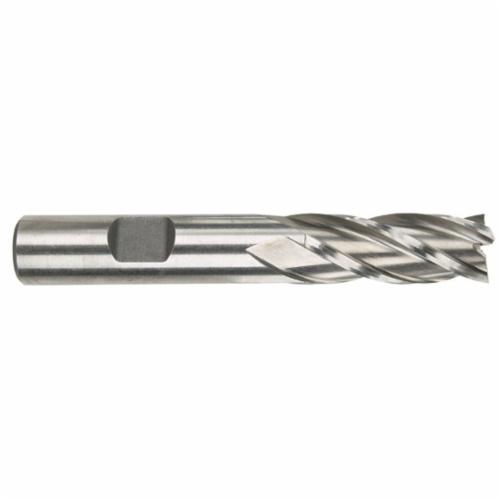
MORSE C/Tool 5/16" MULTIFLUTE COBALT ENDMILLS MCT 44429

MORSE® 44429 4586 Center Cutting Regular Length Single End End Mill, 5/16 in Dia Cutter, 3/4 in Length of Cut, 4 Flutes, 3/8 in Dia Shank, 2-1/2 in OAL, Bright
-
BrandMORSE®
-
UPC686125444297
-
Manufacturer Part Number44429
-
CountryUSA
-
FinishBright
-
MaterialCobalt 8/M42 HSS
-
Flute TypeSpiral
-
TypeCenter Cutting Regular Length Single End
-
Helix Angle30 deg
-
Series4586
-
Cutter Diameter5/16 in
-
Shank Diameter3/8 in
-
Number of Flutes4
-
Cutting DirectionRight Hand
-
Shank TypeRound/Weldon Flat
-
Length of Cut3/4 in
-
Overall Length2-1/2 in
- Multi flute end mills offer higher feed rates, improved surface finish and greater core strength for reduced tool deflection
- Center cutting end allows for plunge cutting like a drill into solid material
- M42 8% cobalt offers increased wear and heat resistance for abrasive and difficult materials, higher speeds and feeds and long life in production applications
| Competitor Name | Cross-Reference Number |
|---|---|
| Berkshire eSupply | MT2544429 |
-
UNSPSC23242511
-
Package Description1/PK
-
Standards/ApprovalsISO 9001:2008
Recently Viewed
MORSE® 44429 4586 Center Cutting Regular Length Single End End Mill, 5/16 in Dia Cutter, 3/4 in Length of Cut, 4 Flutes, 3/8 in Dia Shank, 2-1/2 in OAL, Bright
1-1/2-HP BELT/DISC SANDER-JET1791291K
MORSE® 96130 4550G Center Cutting Regular Length Single End End Mill, 7/8 in Dia Cutter, 1-7/8 in Length of Cut, 4 Flutes, 3/4 in Dia Shank, 4-1/8 in OAL, TiN Coated
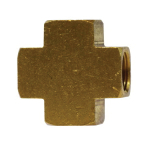
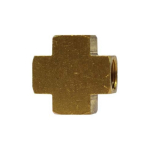
HCI Preferred Supplier 28042 Pipe Cross, 1/4 in Nominal, FNPT End Style, Brass
HCI Preferred Supplier 28042 Pipe Cross, 1/4 in Nominal, FNPT End Style, Brass
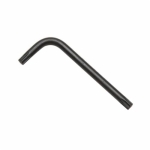
Crescent® 57981 Torx Key, L-Handle Handle, Alloy Steel, Black Oxide

Browning® Gearbelt® 1054949 Type 2 Synchronous Timing Pulley With Flange, 1/4 to 13/16 in Bore, 1.763 in OD, 28 Grooves, 1.783 in Dia Pitch, 9/16 in W Face
Synchronous belt drives help reduce the problems of slippage, belt stretch, lubrication and metal to metal contact. They provide superior performance because power is transmitted by positive engagement of belt teeth rather than by friction, as in conventional belt drives.

