

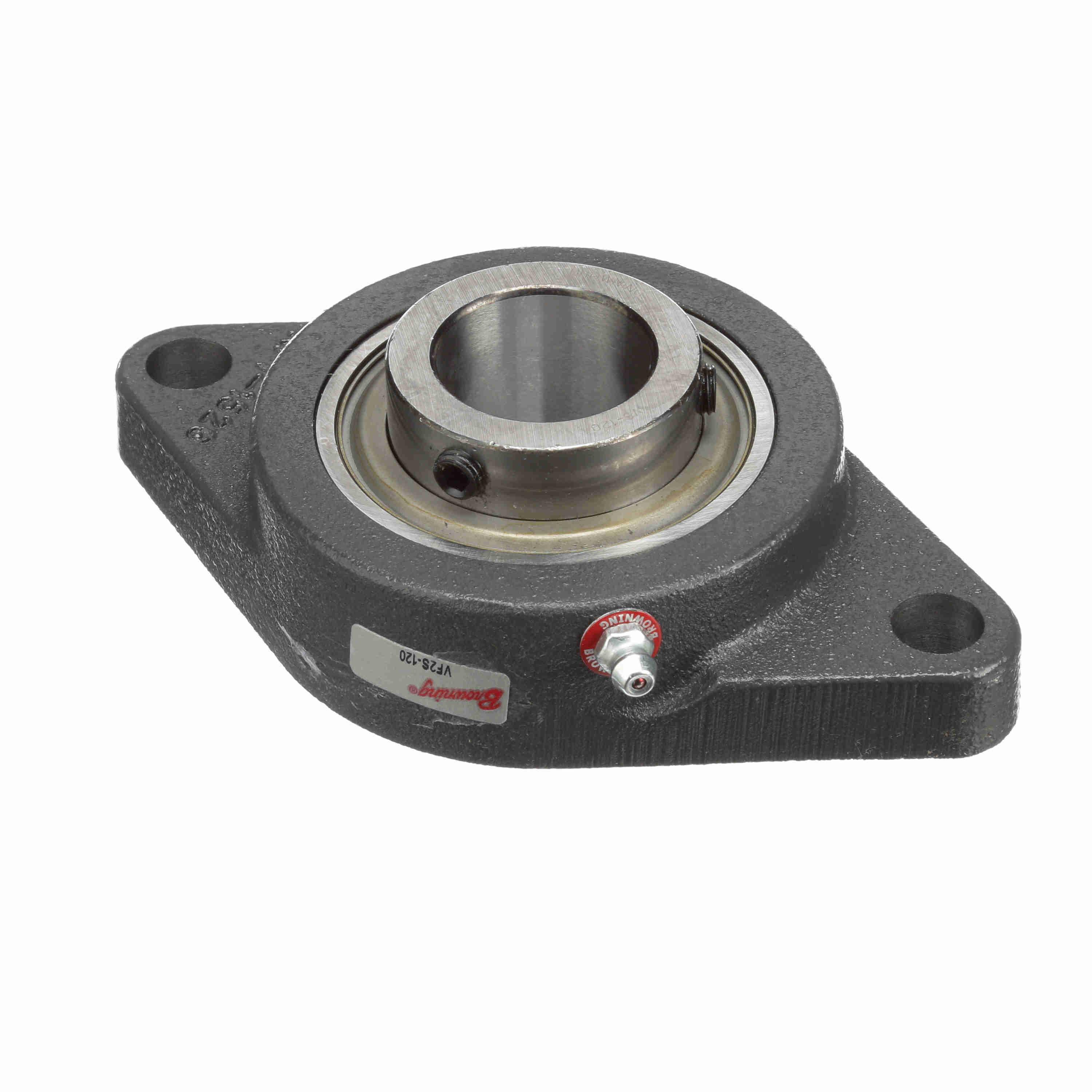
FYH® NANF210 50MM NANF Cylindrical Flange Mount Ball Bearing Unit, 50 mm Dia Bore, 4-3/8 in L Bolt Center-to-Center, 4-Bolt Flange Flange Mount, 5-5/8 in OAL/Dia

FYH® NANF210 50MM NANF Cylindrical Flange Mount Ball Bearing Unit, 50 mm Dia Bore, 4-3/8 in L Bolt Center-to-Center, 4-Bolt Flange Flange Mount, 5-5/8 in OAL/Dia
-
BrandFYH®
-
Manufacturer Part NumberNANF210 50MM
-
CountryUSA
-
Load Capacity35.1 kN Dynamic/23.3 kN Static
-
Locking DeviceEccentric Locking Collar
-
Flange Mounting Type4-Bolt Flange
-
TypeCylindrical
-
SeriesNANF
-
Bearing MaterialCast Iron
-
Bolt Center-to-Center Length4-3/8 in
-
Bore Diameter50 mm
-
Overall Depth2-5/8 in
-
Overall Length/Diameter5-5/8 in
Recently Viewed

FYH® NANF210 50MM NANF Cylindrical Flange Mount Ball Bearing Unit, 50 mm Dia Bore, 4-3/8 in L Bolt Center-to-Center, 4-Bolt Flange Flange Mount, 5-5/8 in OAL/Dia
FYH® NANF210 50MM NANF Cylindrical Flange Mount Ball Bearing Unit, 50 mm Dia Bore, 4-3/8 in L Bolt Center-to-Center, 4-Bolt Flange Flange Mount, 5-5/8 in OAL/Dia


Browning® 767623 VF4S 200 Normal Duty Non-Expansion Round/Straight Bore Flange Mount Ball Bearing Unit, 1 in Dia Bore, 2-3/4 in L Bolt Center-to-Center, 4-Bolt Flange Mount, 3-3/4 in OAL/Dia
Browning® mounted ball bearings feature multiple housing styles, materials and configurations, an extended inner race insert bearing with ball riding nylon retainer. The insert features a rivet to prevent outer ring rotation and is available with setscrew, eccentric or BOA concentric locking collar. The contact seal with black oxide treated flinger provides a good balance between contaminant resistance, grease loss and friction.


Browning® 767588 VF2S 100 Intermediate Duty Non-Expansion Flange Mount Ball Bearing Unit, 1-1/8 in Dia Bore, 3-9/16 in L Bolt Center-to-Center, 2-Bolt Flange Mount, 2-15/16 in OAL/Dia
Browning® mounted ball bearings feature multiple housing styles, materials and configurations, an extended inner race insert bearing with ball riding nylon retainer. The insert features a rivet to prevent outer ring rotation and is available with setscrew, eccentric or BOA concentric locking collar. The contact seal with black oxide treated flinger provides a good balance between contaminant resistance, grease loss and friction.

Browning® 767569 VF2S 100 Intermediate Duty Non-Expansion Flange Mount Ball Bearing Unit, 1/2 in Dia Bore, 3 in L Bolt Center-to-Center, 2-Bolt Flange Mount, 2-1/8 in OAL/Dia
Browning® mounted ball bearings feature multiple housing styles, materials and configurations, an extended inner race insert bearing with ball riding nylon retainer. The insert features a rivet to prevent outer ring rotation and is available with setscrew, eccentric or BOA concentric locking collar. The contact seal with black oxide treated flinger provides a good balance between contaminant resistance, grease loss and friction.

Browning® 767592 VF2S 100 Intermediate Duty Non-Expansion Flange Mount Ball Bearing Unit, 1-1/4 in Dia Bore, 3-9/16 in L Bolt Center-to-Center, 2-Bolt Flange Mount, 2-15/16 in OAL/Dia
Browning® mounted ball bearings feature multiple housing styles, materials and configurations, an extended inner race insert bearing with ball riding nylon retainer. The insert features a rivet to prevent outer ring rotation and is available with setscrew, eccentric or BOA concentric locking collar. The contact seal with black oxide treated flinger provides a good balance between contaminant resistance, grease loss and friction.
798452 DO-IT-BEST/TEMPTATIONS MIX UPS CATNIP FEVER 3 OZ. CAT TREATS
DELICIOUS TREATS FOR CATS. OUTSTANDING TASTE, 100% NUTRITIONALLY
-JWH798452 >

